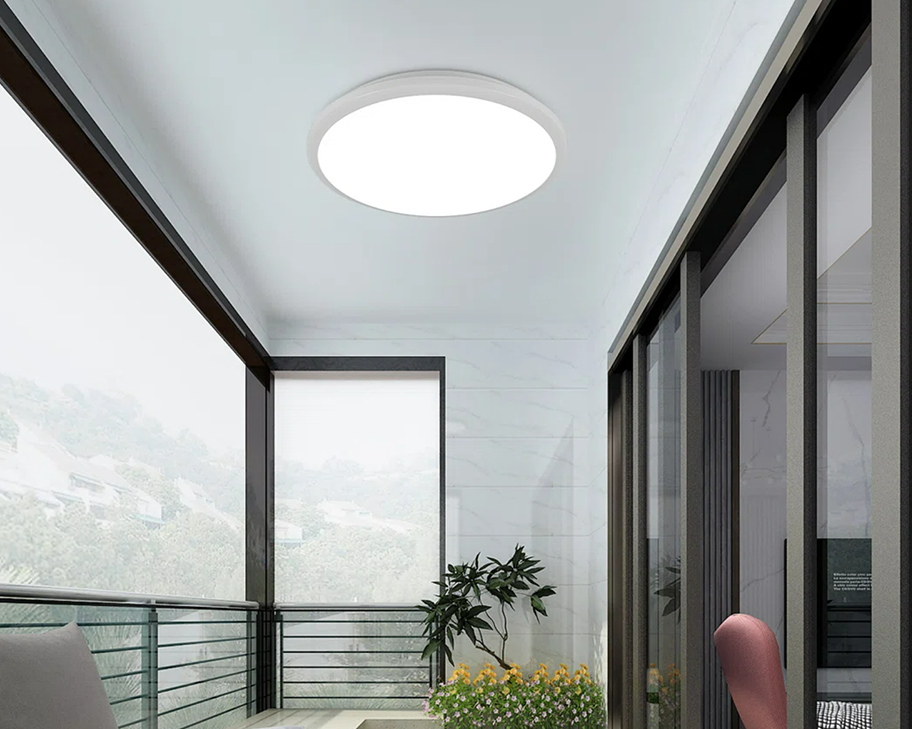
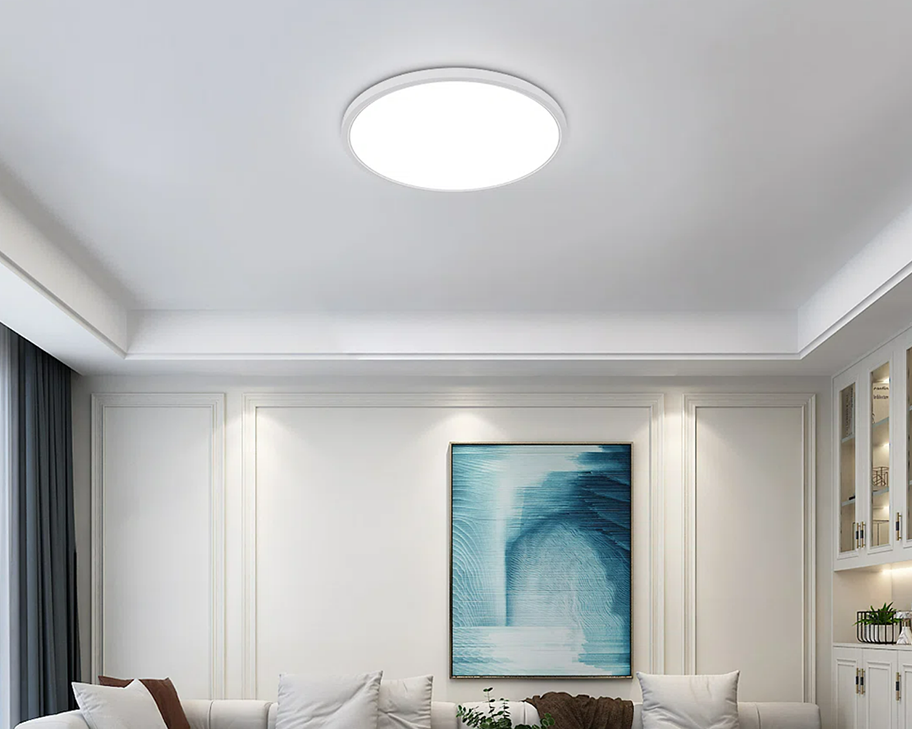
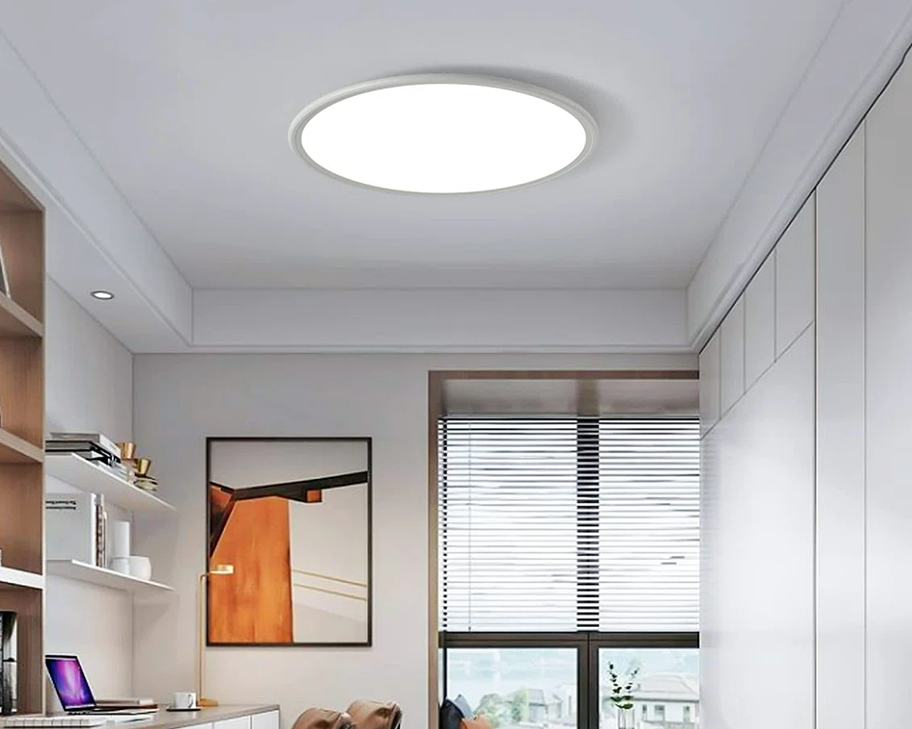
The IP54-rated LED ceiling light market represents a significant segment within the global lighting industry, driven by increasing demand for moisture-resistant, energy-efficient fixtures across residential and commercial sectors. From a business perspective, this category offers substantial growth potential as consumers and builders prioritize durability, performance, and aesthetic versatility in their lighting solutions.
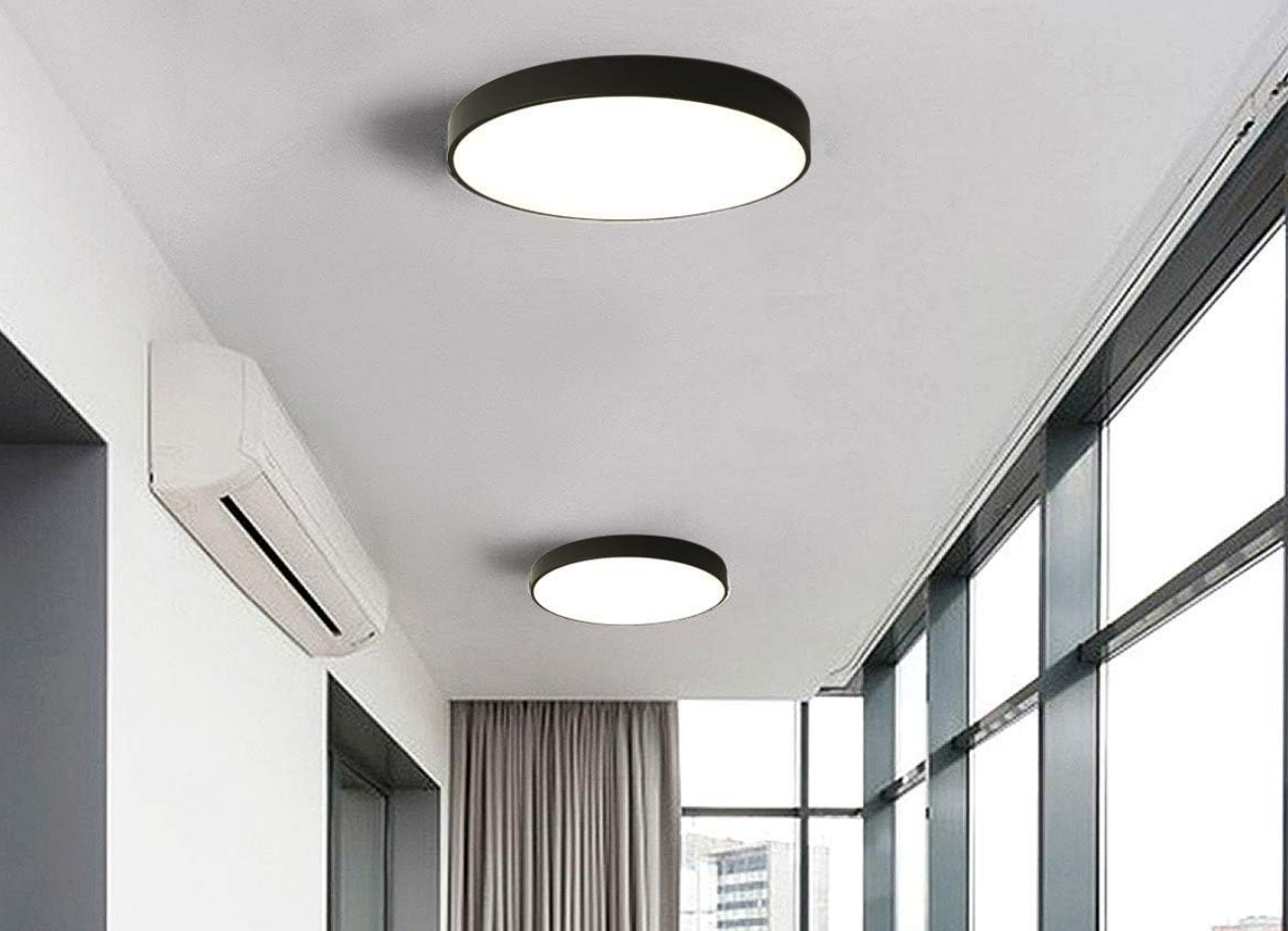
Market Segmentation and Product Diversity
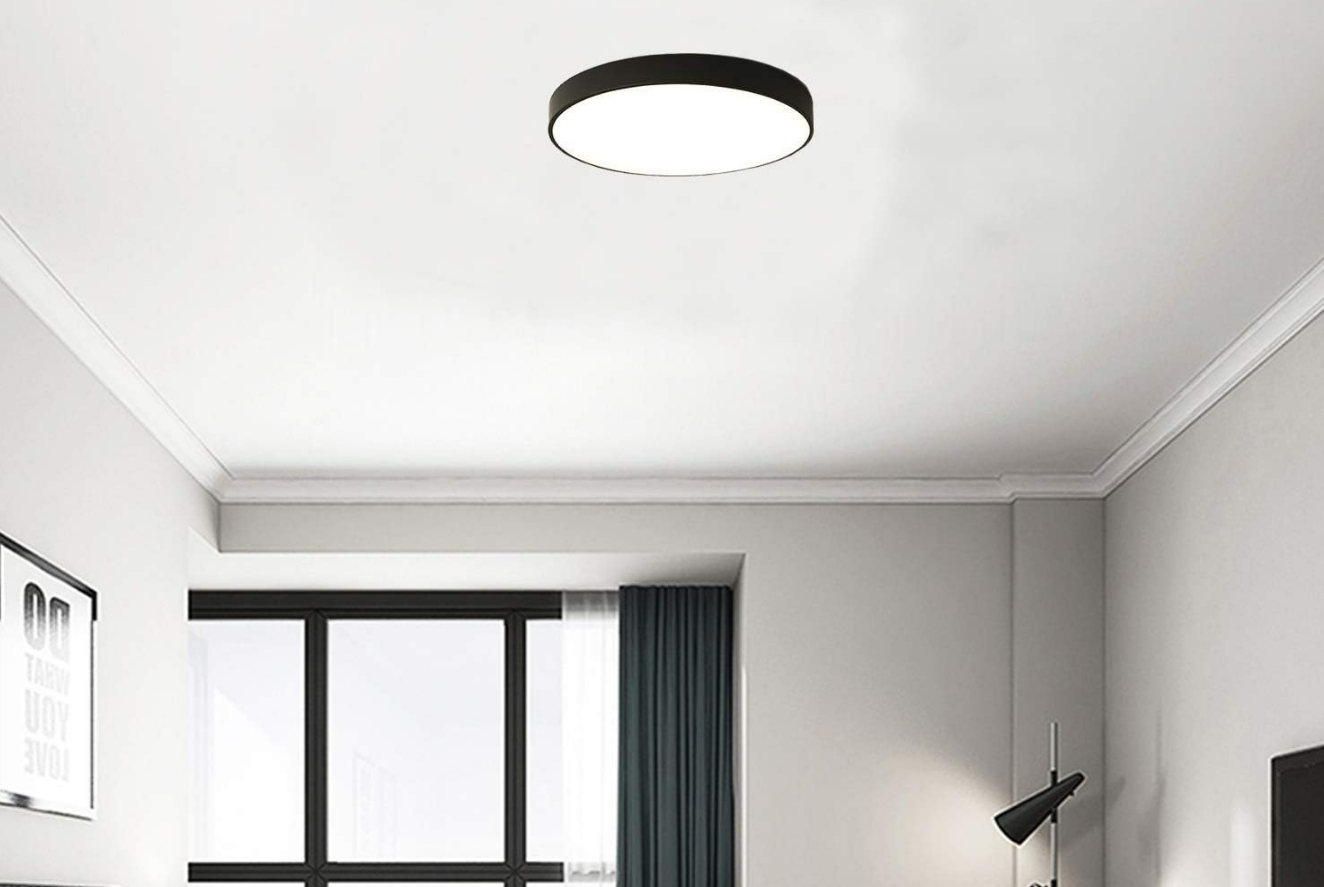
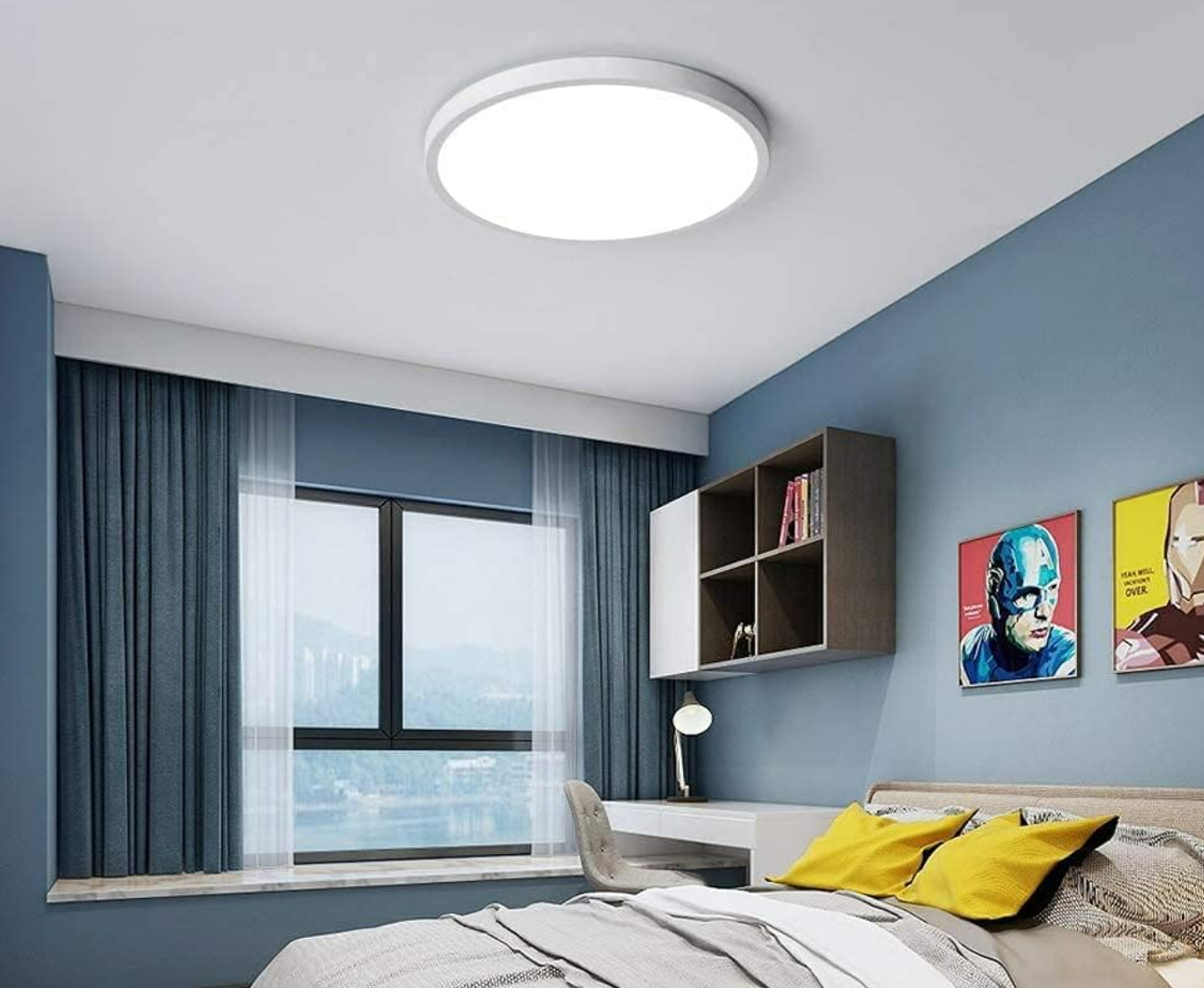
The IP54 LED ceiling light category encompasses diverse product lines—flush mounts, semi-flush fixtures, and pendant designs—each serving specific market niches. Flush mount varieties (minimalist, traditional, vintage, industrial, coastal, rustic) appeal to different consumer demographics and design preferences, while wattage options and form factors allow manufacturers to address varying price points and installation requirements. This product proliferation enables retailers and distributors to capture broader market share across residential renovation, new construction, hospitality, and commercial sectors.
Supply Chain Complexity and Manufacturing
The production of IP54 LED ceiling lights involves multi-tiered supply chains spanning component sourcing, assembly, quality control, and logistics. Key components—LED chips, drivers, housing materials (metal, glass, wood, composite), and protective coatings—are sourced globally, often from specialized suppliers in Asia, Europe, and North America. Manufacturers must coordinate just-in-time inventory management for high-volume items (standard flush mounts) while maintaining flexibility for niche products (wooden pendants, cluster arrangements). Quality assurance is critical; IP54 certification requires rigorous testing for dust ingress and water resistance, adding production costs but ensuring compliance with international standards.
Sourcing and Material Strategy
Successful suppliers leverage strategic partnerships with material providers to optimize costs while maintaining quality. Metal components for industrial and contemporary fixtures often come from standardized suppliers, enabling economies of scale. However, specialty materials—tempered glass for pendant lights, sustainably sourced wood for rustic finishes—require more selective sourcing relationships. Dimmable LED drivers and warm-white color temperature options add complexity to BOM (Bill of Materials) management, as different regional markets demand specific performance specifications.
Logistics and Distribution Networks
Distribution channels for IP54 LED ceiling lights vary by market. Large home improvement retailers stock popular items (basic flush mounts, 18W-24W ratings), while specialty lighting showrooms carry premium pendant designs and customized semi-flush fixtures. E-commerce platforms enable direct-to-consumer sales, reducing intermediary costs but increasing fulfillment complexity. Manufacturers must balance warehouse inventory across multiple SKUs (stock-keeping units)—from adjustable-height pendants for bathrooms to dimmable fixtures for kitchens—while managing regional demand fluctuations and seasonal trends.
Sustainability and Regulatory Compliance
IP54 LED fixtures align with global sustainability initiatives, as LED technology reduces energy consumption by 75-80% compared to incandescent alternatives. Manufacturers increasingly emphasize eco-friendly sourcing, recyclable packaging, and extended product lifecycles. Regulatory compliance—CE marking (Europe), UL certification (North America), and other regional standards—adds compliance costs but opens market access. Extended producer responsibility (EPR) requirements in some markets incentivize design for recyclability and material recovery.
Competitive Landscape and Pricing Strategy
The market features tiered competition: premium brands emphasize design innovation and customization (adjustable-height, cluster arrangements), mid-market players focus on value and reliability, and budget manufacturers compete on cost. Pricing reflects material quality, design complexity, and certification; dimmable fixtures and designer semi-flush lights command 20-40% premiums over basic models. Retailers use popular SKUs (round flush mount 30cm, warm white semi-flush) as traffic drivers while promoting higher-margin pendant lights.
Future Opportunities
Smart home integration—IP54 LED fixtures with dimming controls, color temperature adjustment, and IoT connectivity—represents emerging growth opportunities. Supply chains increasingly incorporate automation and data analytics to predict demand, optimize inventory, and reduce lead times. As building codes increasingly mandate IP54 ratings for moisture-prone areas, market volume is expected to expand, particularly in developing regions experiencing rapid urbanization and construction growth.