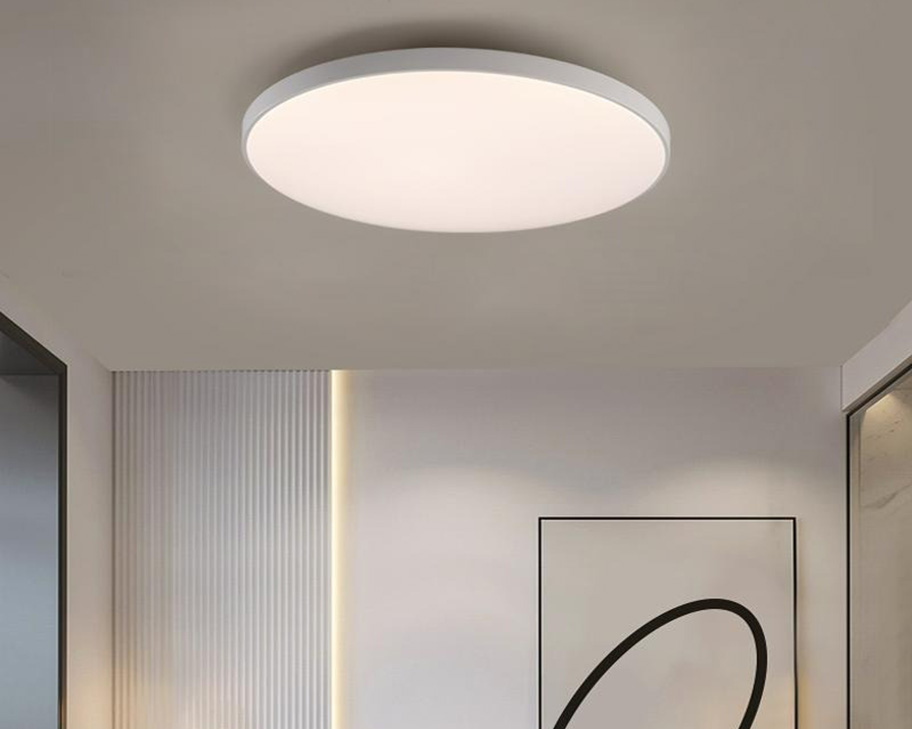
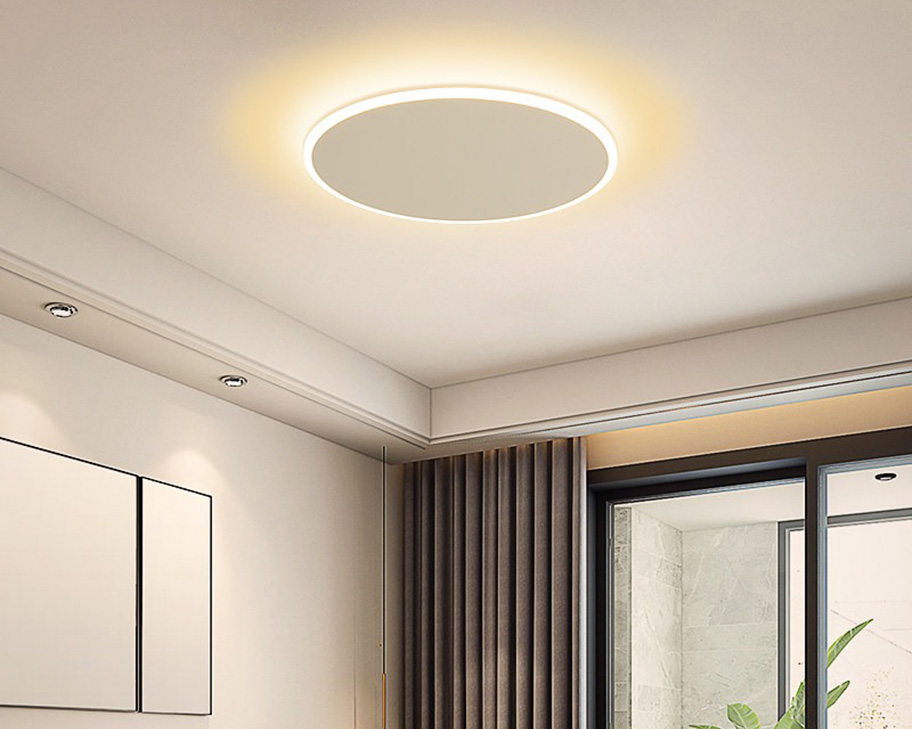
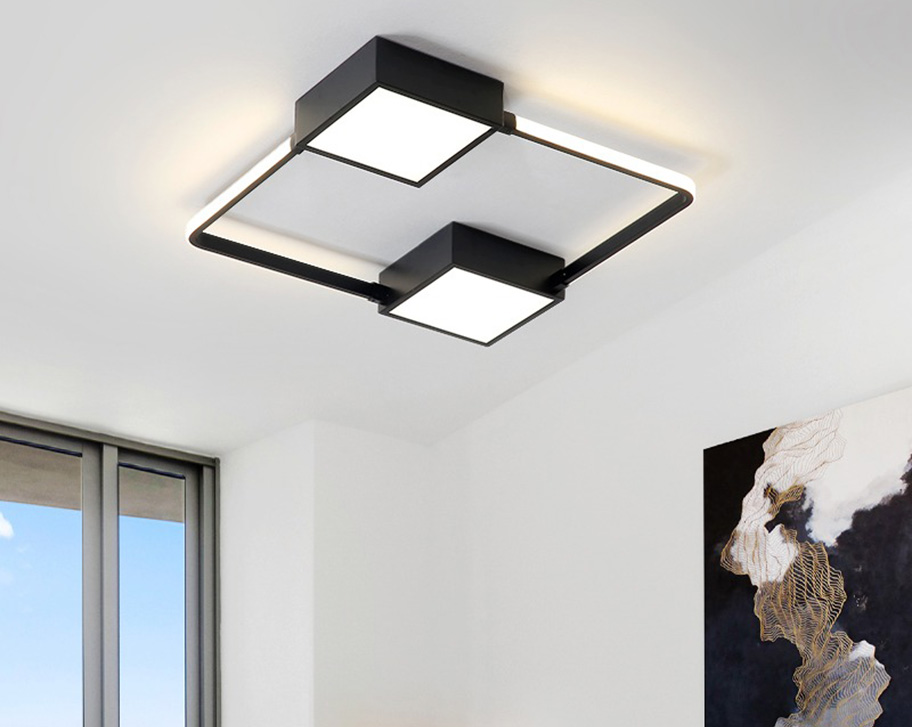
The lighting industry has reached a consensus: protection is no longer just for the outdoors. The widespread integration of IP65-rated LED ceiling lights into diverse interior environments—from vintage study rooms to sleek retail boutiques—signals a fundamental shift in market demand. This trend reflects a consumer base that prioritizes longevity, hygiene, and design versatility, forcing suppliers and manufacturers to rethink their production strategies and supply chains.
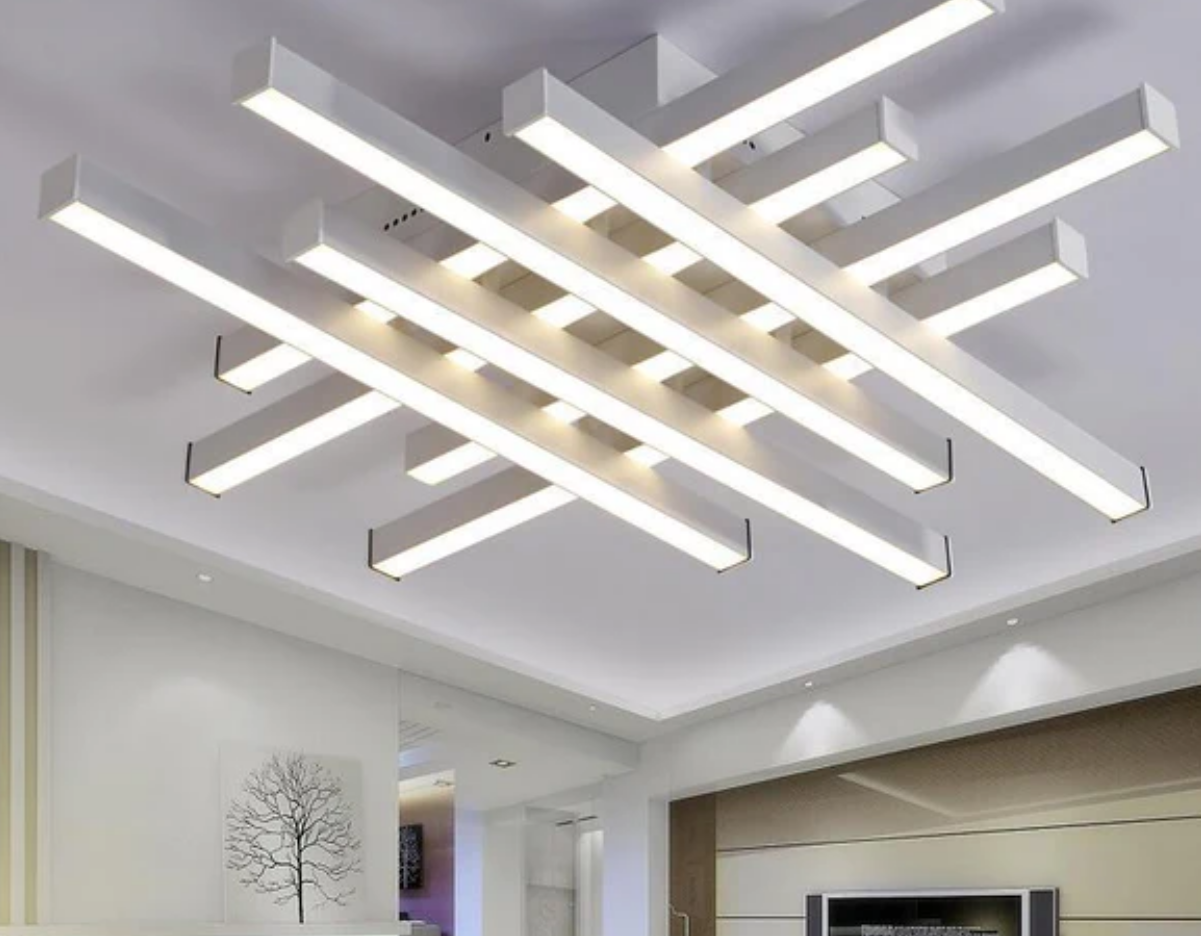
Market Demand: The Blurring of Boundaries
The market demand for IP65 lighting has exploded beyond traditional wet areas. Today, the requirement for dust-tight and water-jet-resistant fixtures is driven by specific environmental challenges and hygiene standards across various sectors. In the hospitality industry, an elegant hotel bathroom or a contemporary bar requires lighting that can withstand rigorous daily cleaning with high-pressure sprays without failing. Similarly, the healthcare sector, represented by the simple clinic, mandates IP65 fixtures to prevent bacterial buildup in dust-prone crevices. Even residential markets are shifting; homeowners in coastal beach houses and rustic barns seek lights that resist salt corrosion and agricultural dust, respectively. The demand is no longer niche; it is becoming the standard for any space where environmental control is difficult or hygiene is critical.
User Perspective: Peace of Mind Meets Aesthetic Freedom
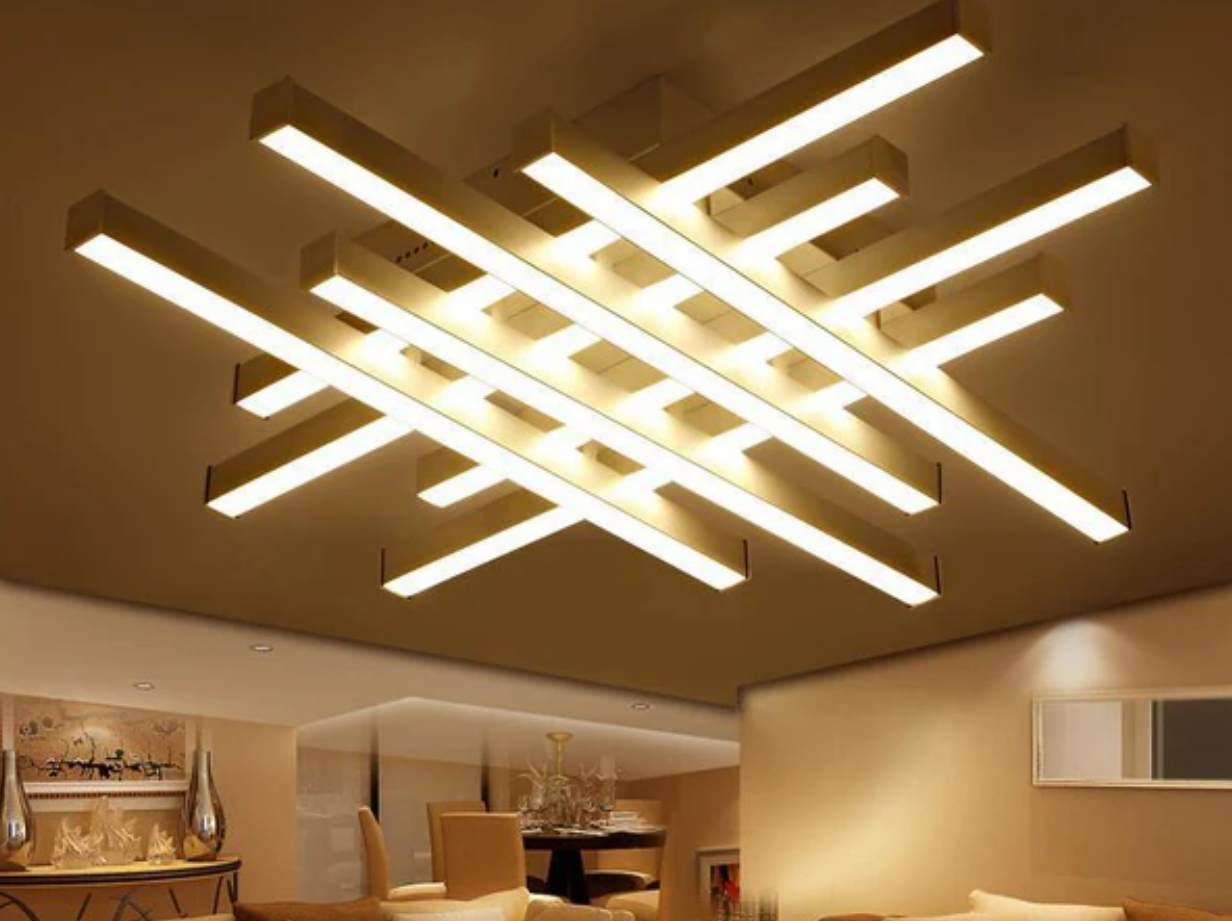
For users, the adoption of IP65 technology offers unparalleled peace of mind. A parent installing a Scandinavian nursery light knows it is safe from accidental spills and easy to sanitize. A restaurant owner utilizing industrial restaurant or vintage café lighting appreciates that the fixtures can be hosed down during deep cleans, extending their lifespan significantly. The aesthetic barrier has also been broken. Users no longer have to choose between protection and style. Whether it is a traditional villa hallway, a minimalist master bedroom, or a modern guest bedroom, there are IP65 options that seamlessly blend with the decor. The coastal balcony and rustic farmhouse kitchen demonstrate that durable lighting can still evoke warmth and character, proving that “industrial strength” does not mean “industrial look.”
Supplier and Manufacturer Challenges
For suppliers and manufacturers, this diversification presents a complex challenge. The era of mass-producing a single generic IP65 panel is over. Factories must now manage a highly fragmented product portfolio ranging from Scandinavian utility room fixtures to elegant restaurant dining room chandeliers. This requires agile production lines capable of switching between materials like treated wood for rustic designs, brushed metal for industrial settings, and high-grade polymers for coastal applications. The supply chain must source components that maintain the IP65 seal integrity regardless of the housing material, a technical hurdle that demands advanced engineering and rigorous quality control.
Production and Supply Chain Evolution
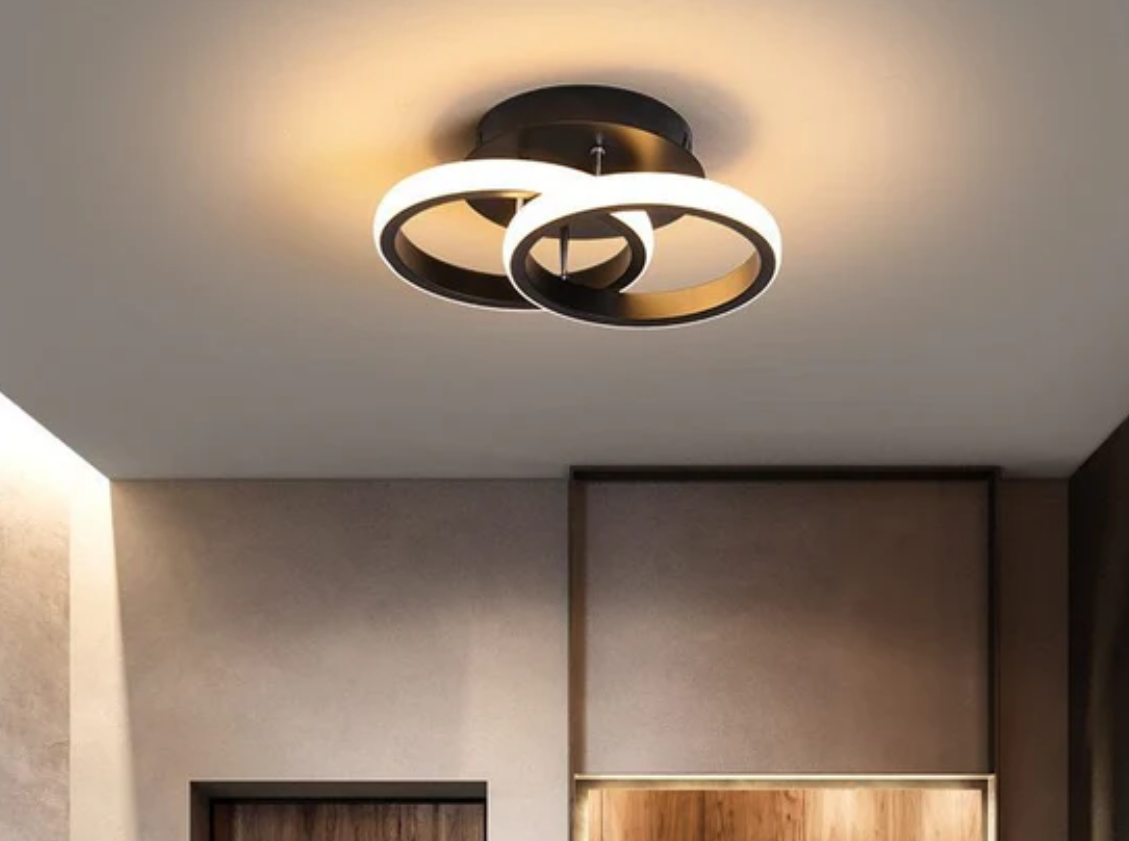
To meet these demands, the production landscape is evolving towards modular design and localized assembly. Manufacturers are investing in automated sealing technologies to ensure that every contemporary open plan living light or traditional hallway entrance fixture meets strict IEC 60529 standards without inflating costs. Supply chains are becoming more resilient, with suppliers stocking versatile internal LED modules that can be paired with various external housings to match specific stylistic keywords like vintage, sleek, or simple. This flexibility allows producers to respond quickly to regional trends, such as the surge in coastal lighting for seaside developments or industrial styles for urban regeneration projects.
The proliferation of IP65 LED ceiling lights across such a wide spectrum of applications—from the clinic to the café—illustrates a mature market where performance and aesthetics are inseparable. By addressing the needs of diverse users through innovative production and robust supply chains, the industry has turned a technical specification into a universal design language. As we move forward, IP65 will likely become the default baseline for all new installations, ensuring that every space, regardless of its function or style, is illuminated with durability and elegance.