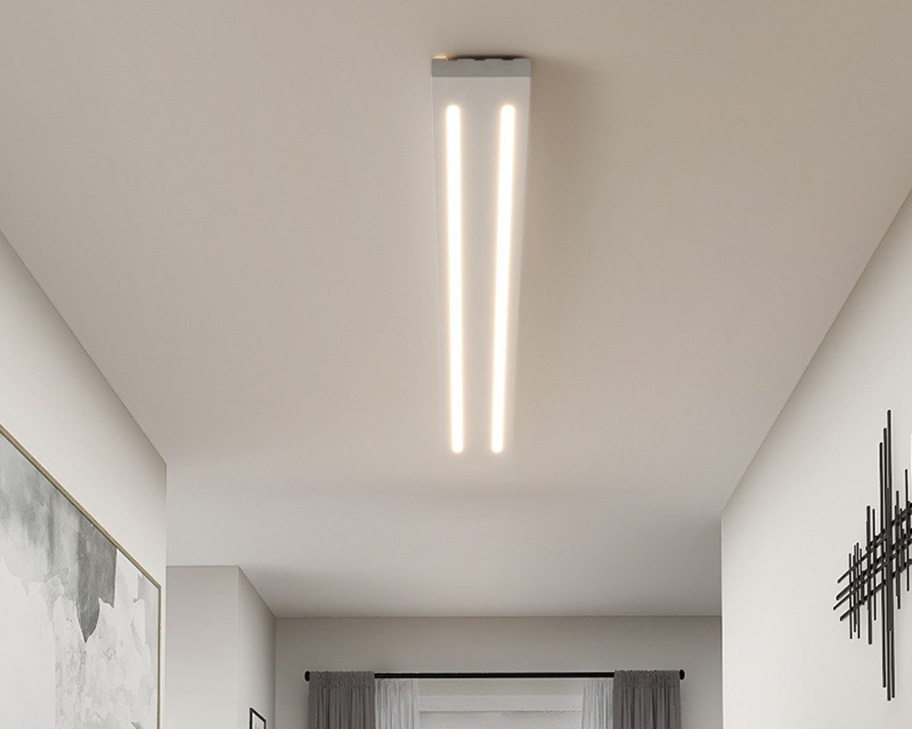
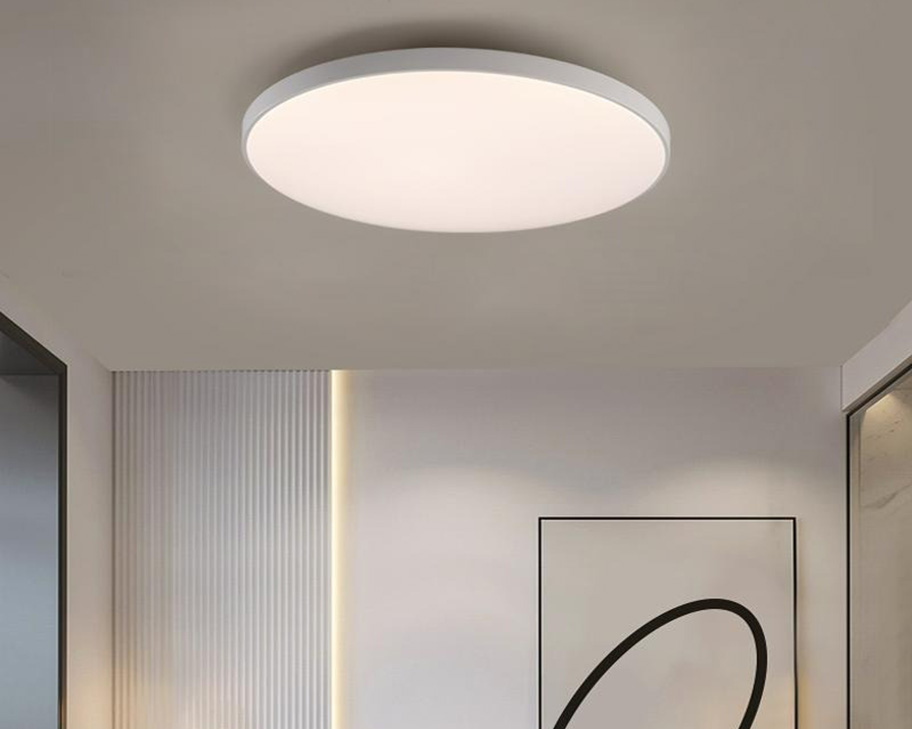
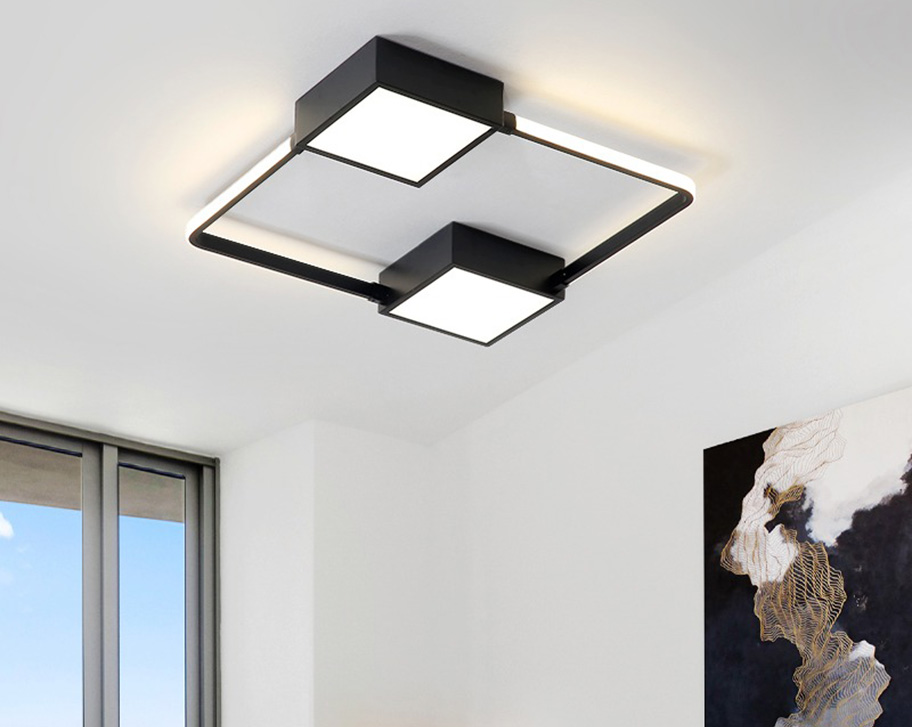
The lighting industry is witnessing a transformative shift driven by the widespread adoption of IP65-rated LED ceiling lights. Once reserved for industrial warehouses or outdoor canopies, these dust-tight and water-jet-resistant fixtures have permeated every corner of modern design, from minimalist Scandinavian homes to luxury coastal resorts. The convergence of rigorous safety standards with diverse aesthetic preferences—ranging from matte black industrial squares to vintage oval glass designs—has created a dynamic market landscape that benefits users, challenges suppliers, and revolutionizes production.
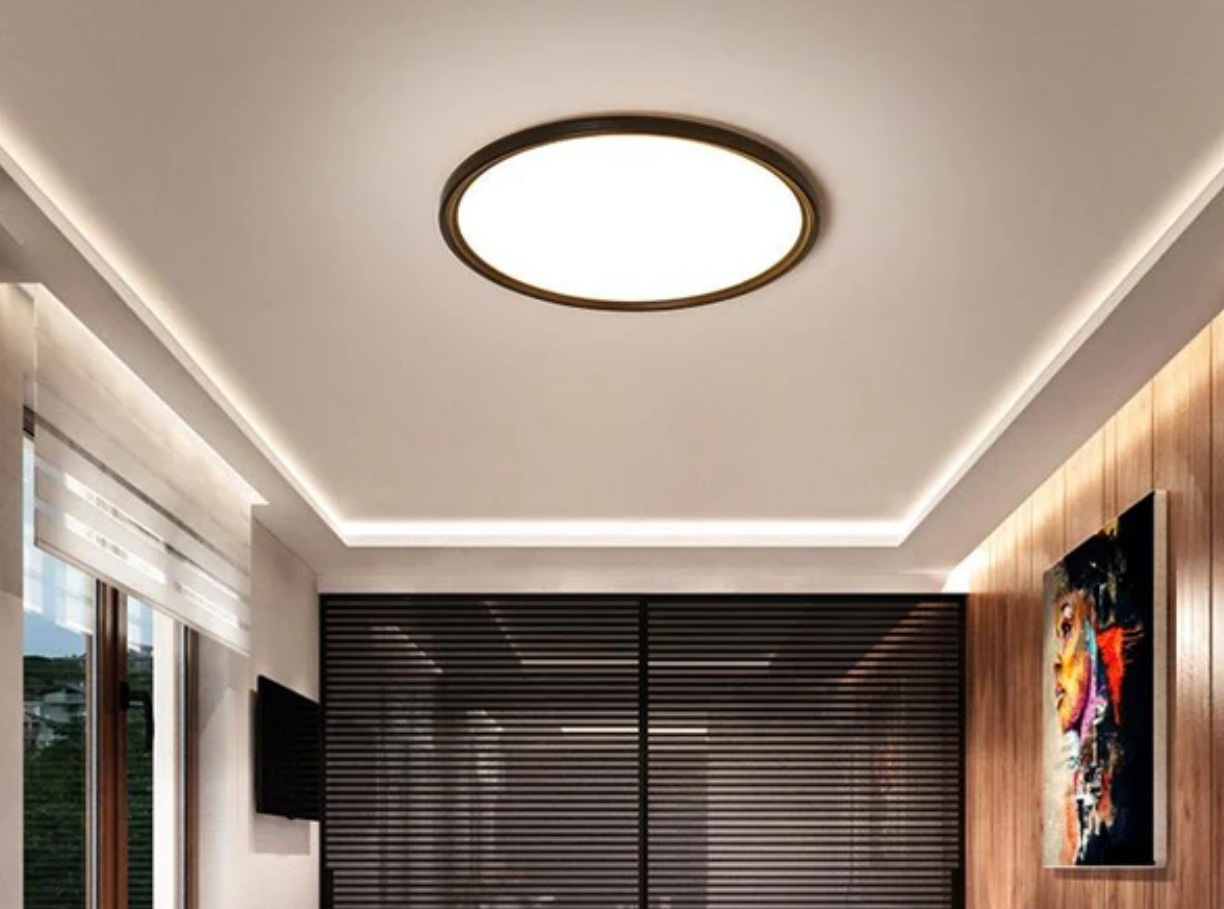
Market Dynamics: Beyond Utility to Aesthetic Versatility
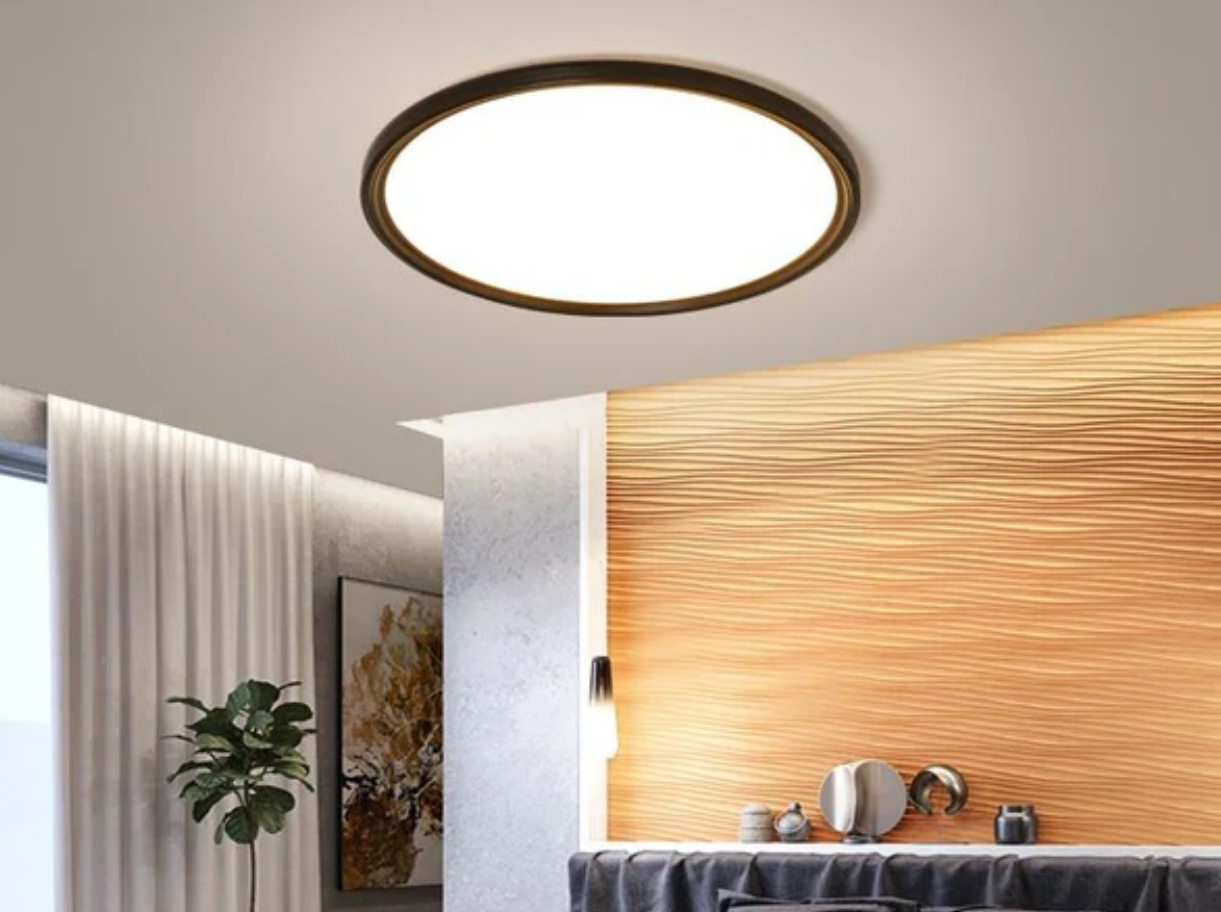
The global market for IP65 LED lighting has expanded significantly, fueled by the blurring lines between indoor and outdoor living spaces. Consumers no longer view “waterproof” as purely functional; they demand style. The market now offers an unprecedented variety: geometric triangular and hexagonal trendy lights cater to younger demographics seeking statement pieces, while classic round and elegant oval fixtures appeal to traditionalists. This diversification has turned IP65 lighting into a high-growth segment, with projections indicating a steady compound annual growth rate through 2030. The ability to install a glossy white square light in a humid bathroom or a wooden round fixture on a covered patio without fear of moisture damage has unlocked new revenue streams for retailers and designers alike.
User Perspective: Durability Meets Design
For end-users, the primary value proposition is peace of mind combined with aesthetic freedom. Homeowners in coastal regions favor coastal oval and rustic round models that resist salt spray corrosion, while urban dwellers opt for sleek rectangular or matte black units that withstand city pollution and humidity. The IP65 rating ensures that whether it is a Nordic round light in a sauna or an industrial square lamp in a factory canteen, the fixture remains safe and operational. Users appreciate that they no longer have to compromise on design language to achieve necessary protection levels; a luxury square crystal-look light can now be just as durable as a utilitarian panel.
Supplier and Production Challenges
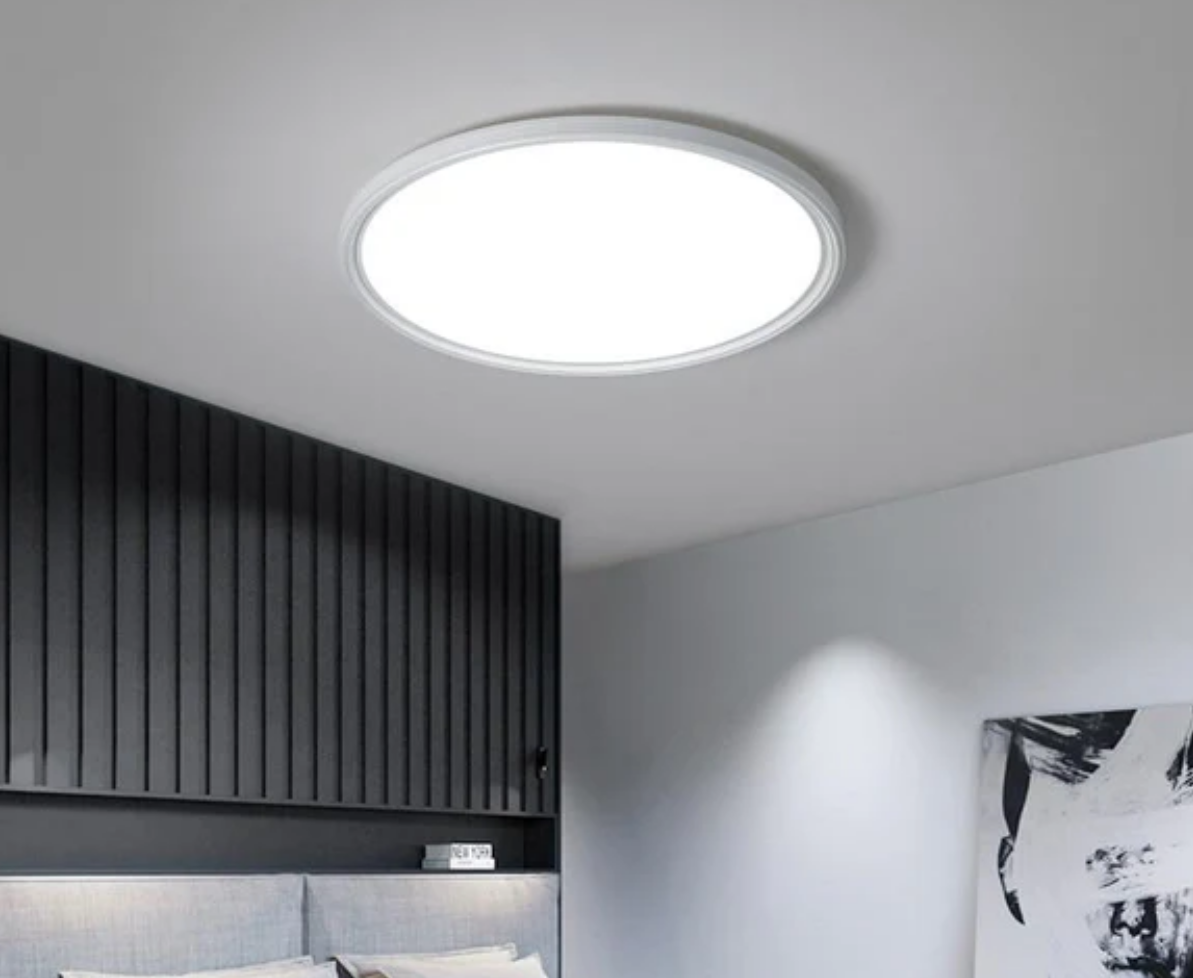
For suppliers and manufacturers, this trend presents both opportunities and complexities. The supply chain must now support low-volume, high-variety production runs. Factories are transitioning from mass-producing generic white panels to flexible assembly lines capable of handling aluminum, glass, metal, and even treated wooden components under strict IP65 sealing protocols. The technical challenge lies in maintaining the integrity of the seal (preventing dust ingress and resisting water jets) while incorporating diverse materials like wood or complex geometric shapes. Leading suppliers are investing heavily in R&D to develop innovative gasketing and housing technologies that ensure a retro rectangular or stylish geometric light passes rigorous IEC 60529 testing without inflating costs. Furthermore, certification has become a critical differentiator; with many substandard products flooding the market, reputable suppliers leverage their verified IP65 credentials to build trust with commercial contractors and discerning homeowners.
The evolution of IP65 LED ceiling lights represents a mature phase in the lighting industry where technology serves art. By successfully merging robust engineering with an expansive design vocabulary—from simple round to contemporary rectangular—the sector has created a resilient ecosystem. As production techniques refine and consumer awareness grows, IP65 fixtures are set to become the default standard for any environment where longevity and style are non-negotiable.