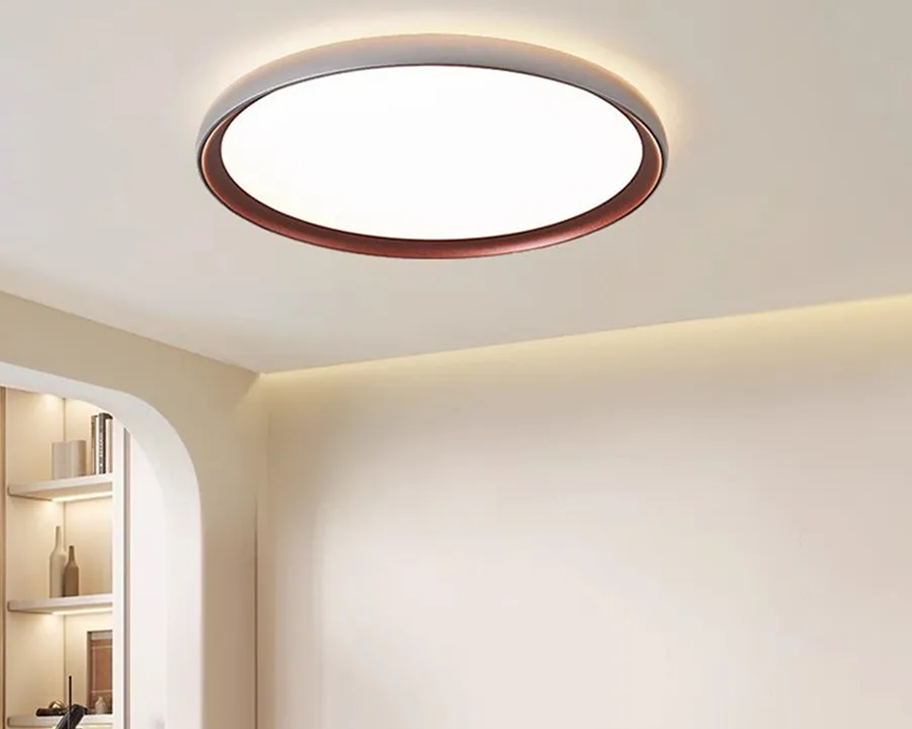
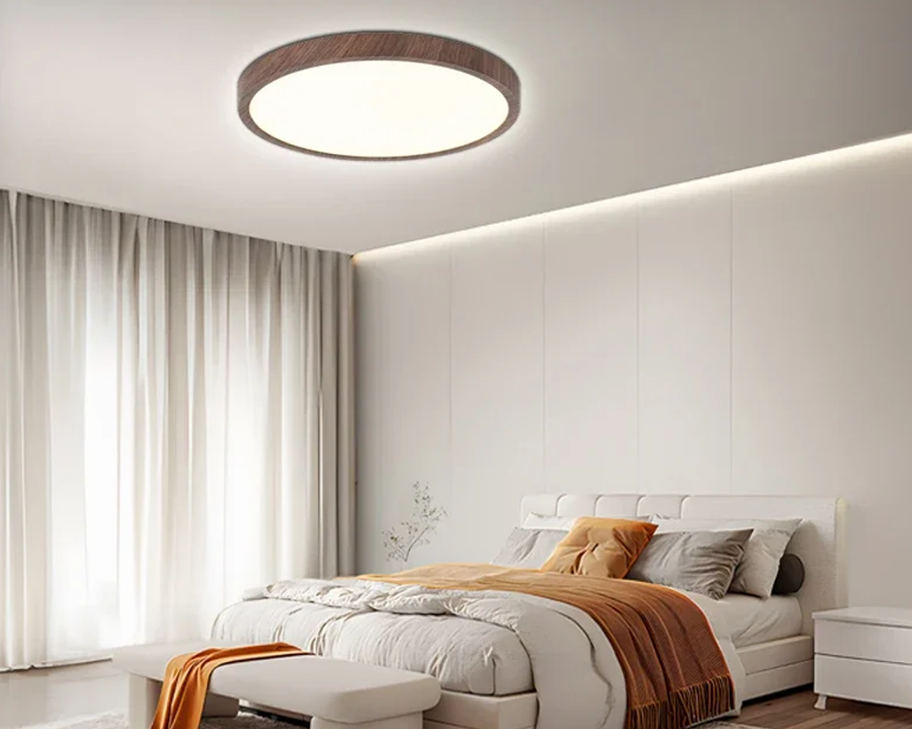
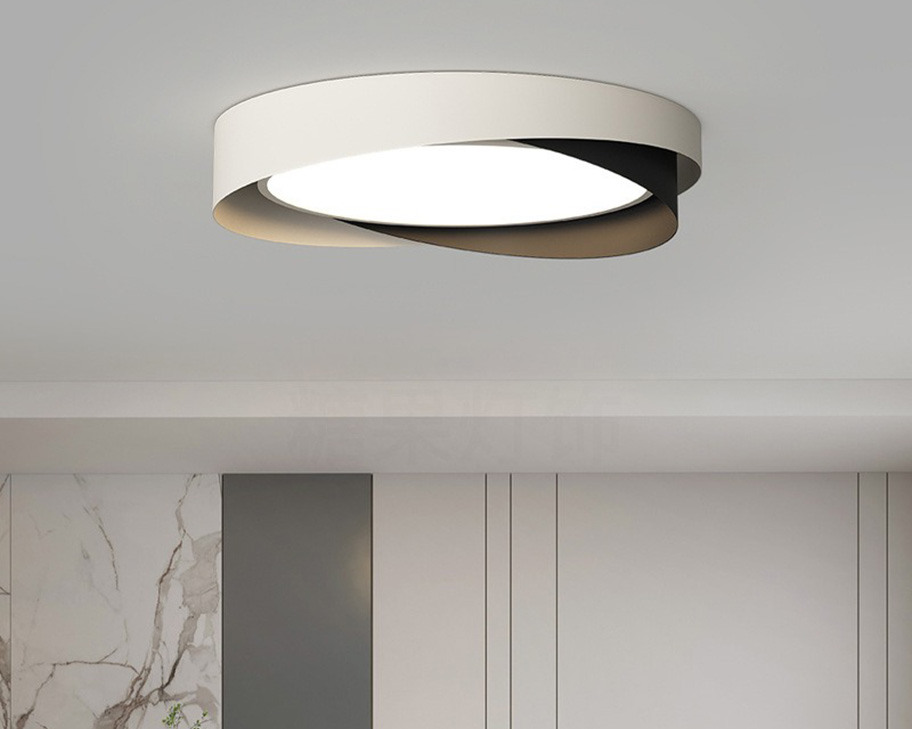
In today’s commercial and residential projects, LED downlights have evolved beyond simple illumination. Advances in smart connectivity, ultra-slim designs and flexible mounting options make them central to efficient, stylish lighting schemes.
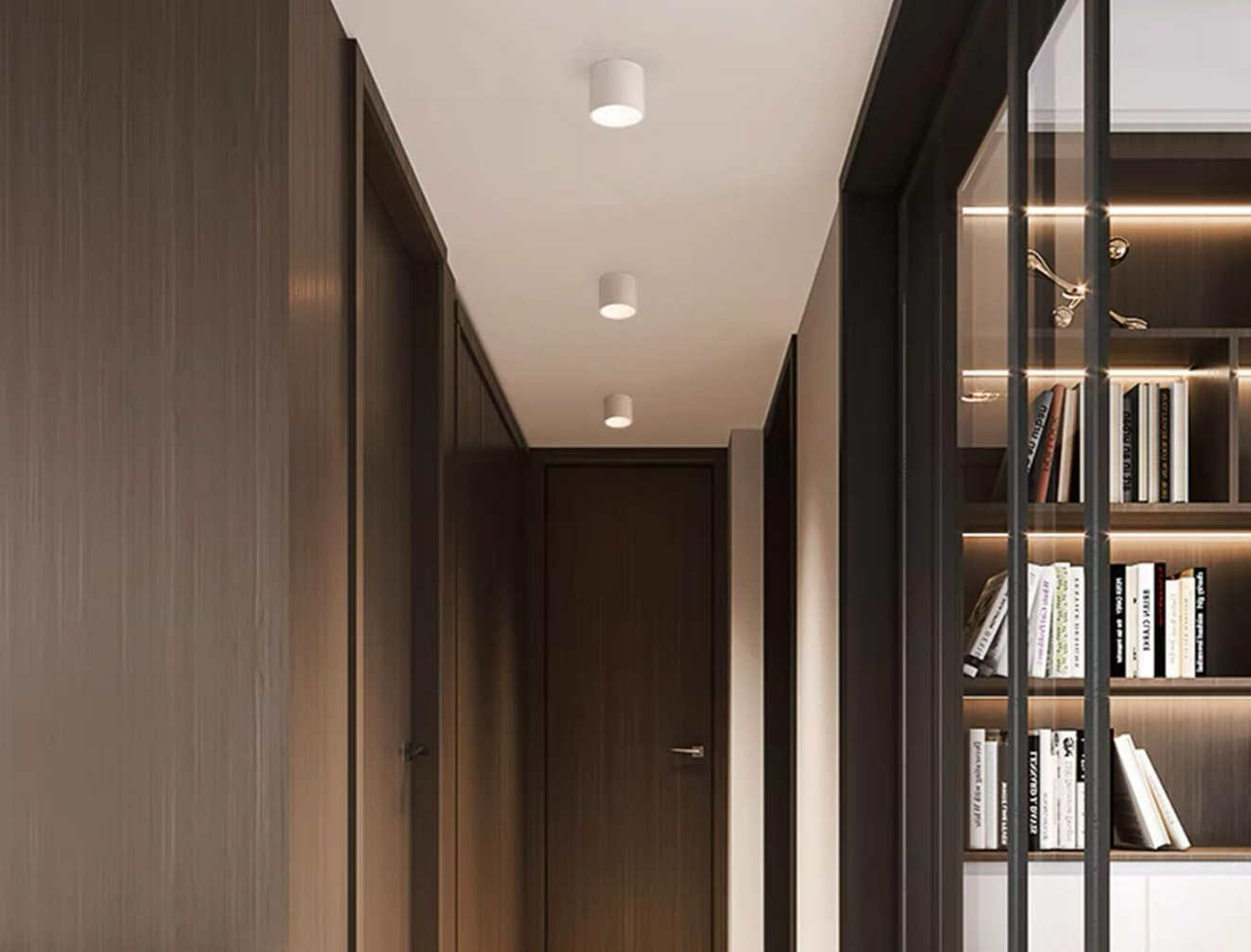
Commercial smart LED downlight
Commercial environments demand robust, reliable lighting with controllability for energy savings and occupant comfort. Commercial smart LED downlights integrate centralized control systems, occupancy sensing, scheduling and dimming to reduce energy consumption and maintenance costs. Look for fixtures compatible with building management systems or common lighting protocols so they can be grouped, automated and monitored easily. Commercial-grade models usually offer higher lumen outputs, durable housings and certifications for long-term use.
Smart Wi‑Fi and smart home LED downlights
Smart LED downlights bring simple connectivity without a dedicated hub, making them attractive for both small businesses and smart homes. These downlights connect directly to a local Wi‑Fi network and provide app control, firmware updates and voice assistant integration. For broader smart home setups, ensure the downlight’s app offers scene creation, scheduling and reliable cloud or local control. For commercial or multi-unit installations, consider whether Wi‑Fi density and network security are sufficient—or if mesh or wired controls would be better.
Wafer smart LED downlights and ultra-slim options
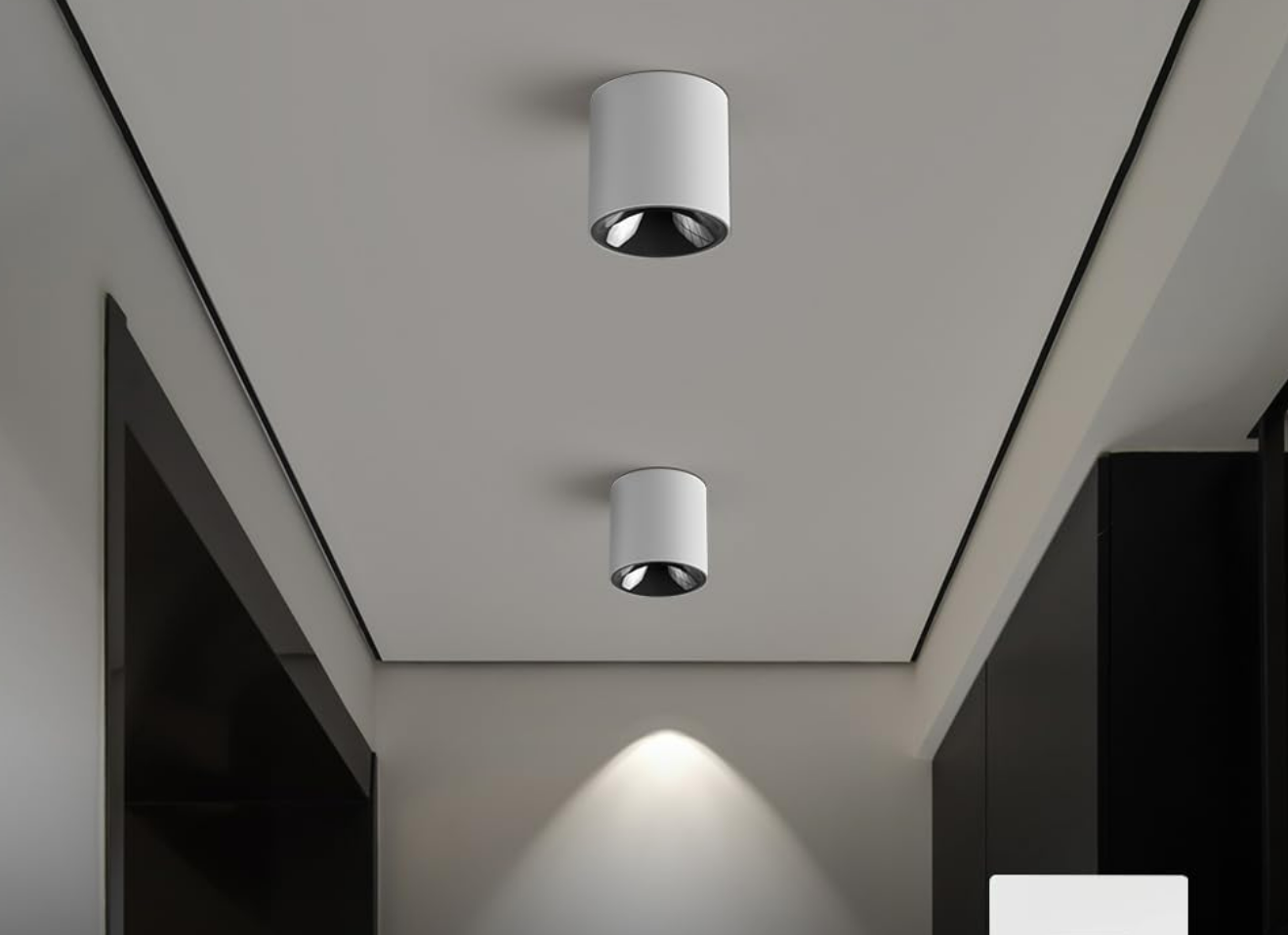
Wafer or ultra-slim LED downlights are designed for low-profile ceilings and shallow ceiling voids where traditional housing is impractical. These wafer-style smart LED downlights combine a thin body with integrated smart drivers, enabling easy retrofit into modern ceilings without compromising on features like tunable white, dimming or smart control. Benefits include faster installation, lighter weight and a minimalist aesthetic that suits contemporary offices, retail stores and luxury residential spaces.
Smart LED recessed downlights and slim designs
Recessed smart downlights provide a clean, integrated look and often include options for adjustable trims and beam angles. Slim recessed models minimize intrusion into ceiling cavities while maintaining high lumen efficacy. When specifying recessed units, verify fire-rating, IC-rated approval for insulation contact, and whether the junction box and driver fit available ceiling space. For smart versions, confirm driver compatibility with dimmers and control systems to avoid flicker or limited dimming ranges.
Brand and model considerations
When comparing models:Check lumen output and efficacy (lumens per watt) rather than wattage alone.Look for high CRI (≥90) for retail or hospitality where color accuracy matters.Verify certifications: ENERGY STAR, DLC for commercial rebates, UL/ETL listings, and fire/IC ratings.Assess warranty terms and driver replacement options for long-term maintenance.
Smart lighting features to prioritize
Connectivity: Wi‑Fi for simple setups, Bluetooth Mesh or Zigbee for scalable networks, and DALI for professional systems.
Control: App functionality, voice assistant support, scene presets, scheduling, and grouping.
Energy savings: occupancy sensors, daylight harvesting, and dimming profiles.
Futureproofing: OTA firmware updates, open protocols, and integration with BMS or smart home platforms.
Installation and maintenance tips
Plan layouts by lumens and beam spread to ensure even coverage.Smart, slim LED downlights—from wafer-style and ultra-slim fixtures to commercial-grade smart recessed models—offer flexibility, efficiency and aesthetic appeal for modern spaces. Prioritize connectivity type, lumen performance, certifications and installation constraints when choosing a product. With the right selection, you’ll achieve energy savings, improved occupant comfort and a clean, contemporary look that fits both commercial projects and smart homes.