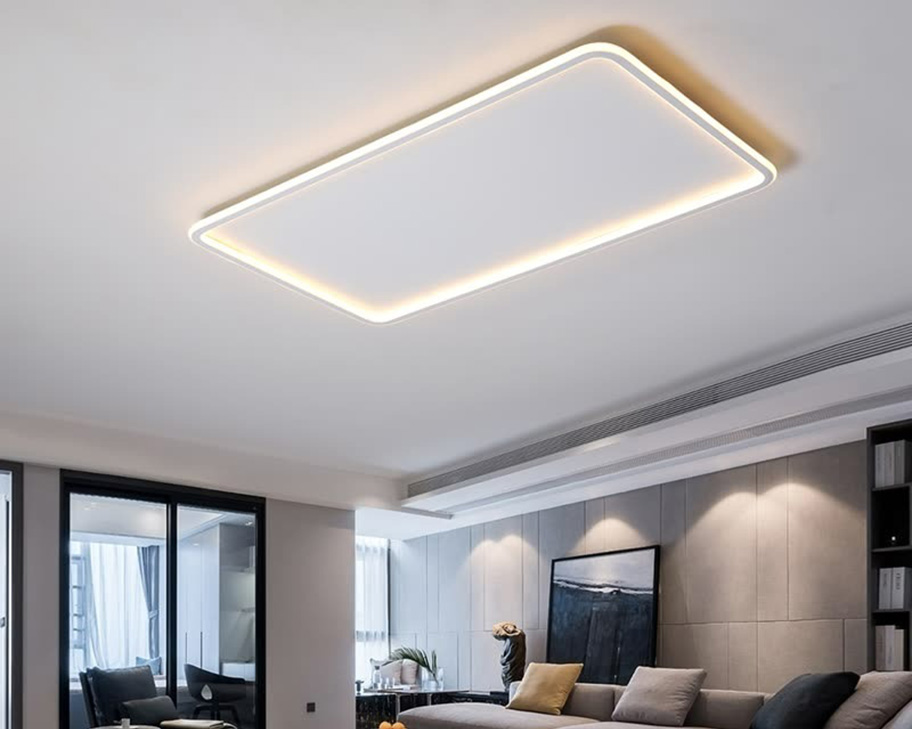
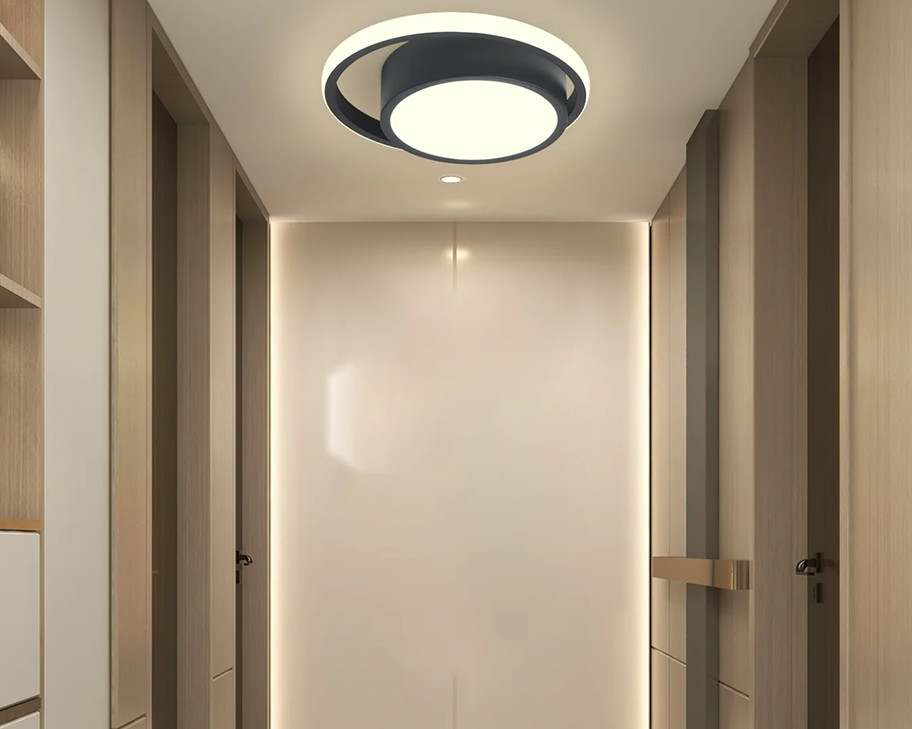
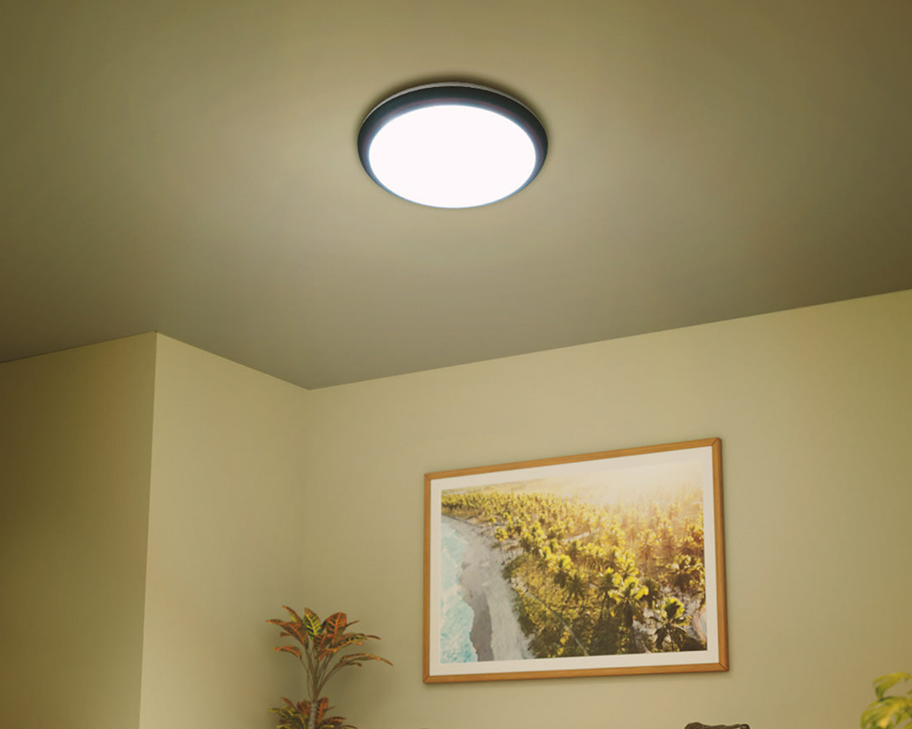
The lighting industry is currently witnessing a paradigm shift where technical durability meets architectural expression. At the forefront of this revolution are IP65 geometric LED ceiling lights. With an IP65 rating, these fixtures are completely dust-tight and protected against water jets, making them the gold standard for semi-outdoor areas like covered patios, bathrooms, and industrial corridors. However, beyond their weather resistance, it is the explosion of shapes—from hexagonal and octagonal designs to classic round and square profiles—that is driving market growth, enhancing user experience, and challenging supply chains.
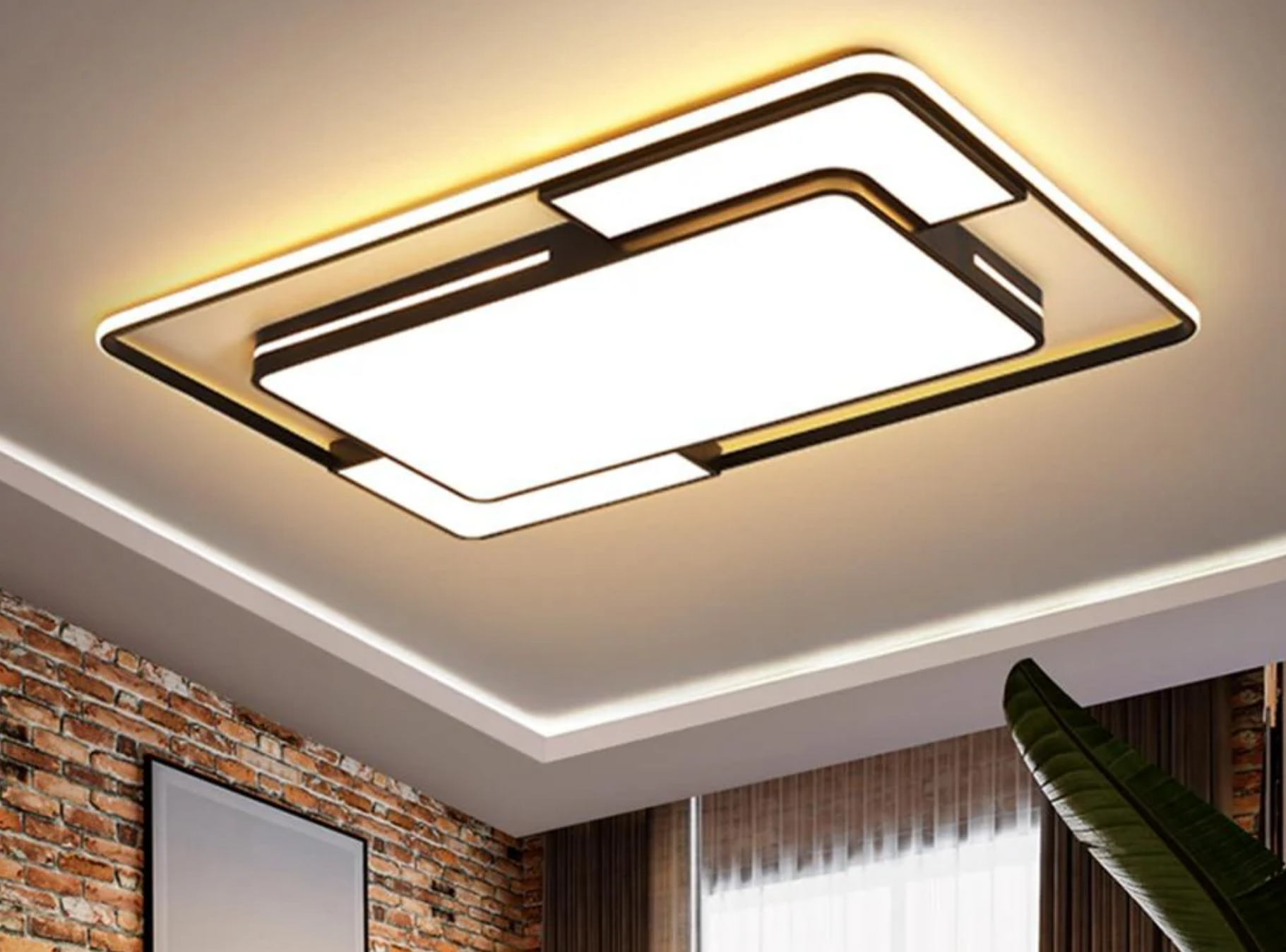
From a market perspective, the demand for variety is insatiable. Modern architecture has moved away from generic circles toward bold geometric statements. Fixtures like the IP65 hexagonal LED ceiling light and geometric octagon models are no longer niche; they are becoming mainstream in commercial lobbies and trendy residential complexes. The market is segmenting rapidly by scale. There is a surging demand for large round and large square lights to illuminate expansive warehouses and atriums, while small round and small square variants are dominating the smart home sector, where discreet, modular lighting is preferred. Furthermore, the rise of the equilateral triangular LED ceiling light indicates a market eager for avant-garde designs that break traditional symmetry, appealing to high-end interior designers looking for unique selling points.
For the end-user, the proliferation of shapes translates to unprecedented customization and functional adaptability. Users are no longer forced to compromise between weather resistance and aesthetics. A homeowner can install an IP65 slim round LED ceiling light in a low-ceilinged porch to maintain headroom without sacrificing brightness, while a facility manager might choose an IP65 long rectangular or slim rectangular unit to line a corridor, creating a guiding path of light that feels modern and continuous. The availability of oval options, both large and small, offers a softer alternative to rigid squares, fitting perfectly in spaces with curved architectural elements. The “square round” hybrid designs offer a unique visual softness, blending the stability of a square with the approachability of a circle. For users, the IP65 rating provides peace of mind, knowing that whether it is a small oval light in a steamy shower or a large square fixture in a rainy carport, performance will remain consistent.
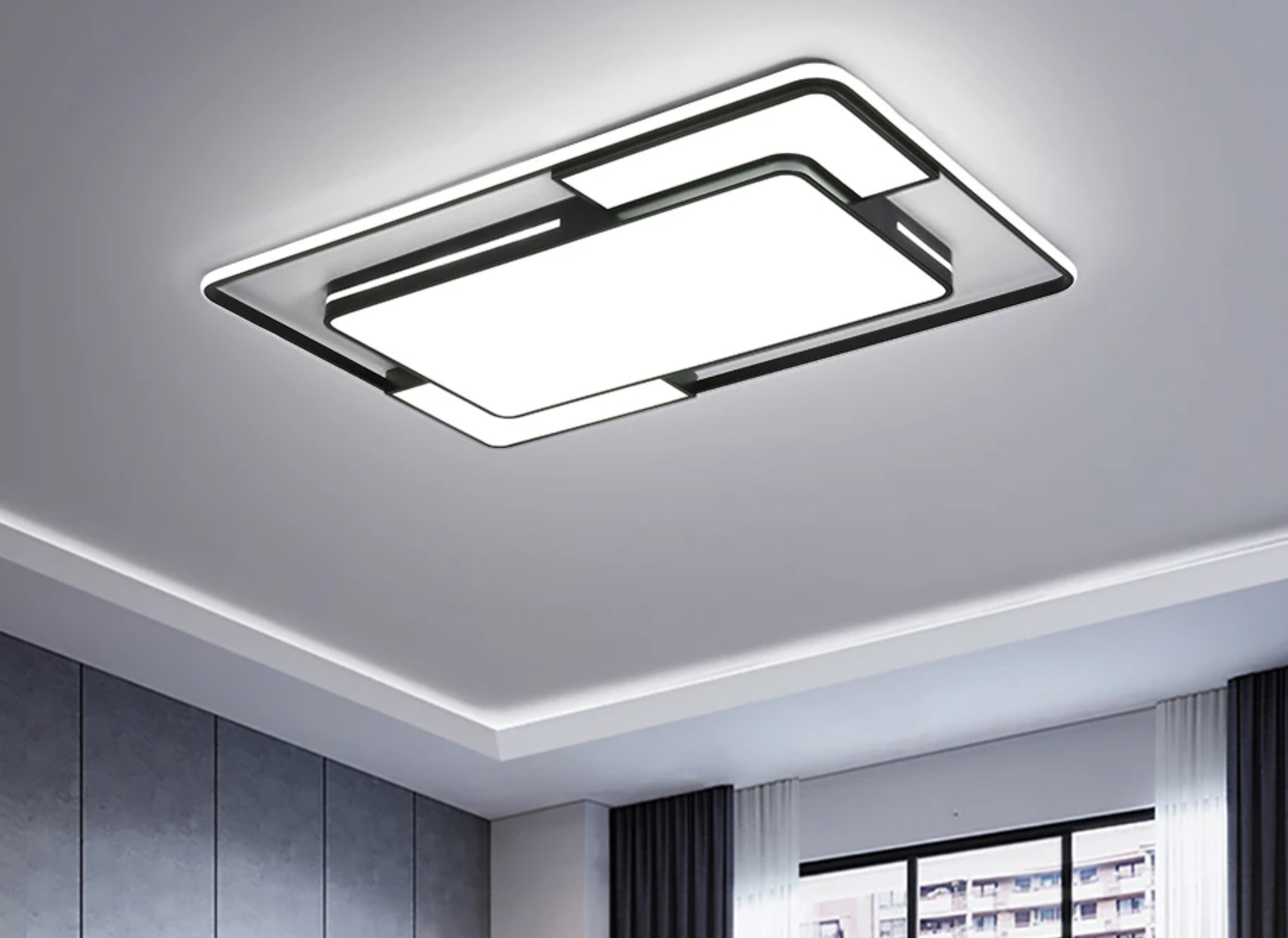
However, this diversity presents complex challenges for the production supply chain. Manufacturing an IP65 geometric hexagon or octagon light requires more intricate molding and sealing processes than standard round units. The precision needed to ensure water tightness at the corners of a triangular or square fixture is significantly higher, demanding advanced injection molding techniques and rigorous quality control testing. Supply chains must now stock a wider variety of lenses, drivers, and housing molds. The shift toward slim profiles (both round and rectangular) necessitates thinner, more efficient heat dissipation materials, pushing suppliers to innovate with new aluminum alloys and thermal pads. Logistics also become more complicated; shipping large rectangular and large oval fixtures requires optimized packaging to prevent damage, increasing logistical costs compared to stackable round units.
In conclusion, the era of IP65 geometric LED lighting represents a convergence of robust engineering and artistic freedom. While the market thrives on the visual appeal of hexagons, triangles, and slims, and users enjoy tailored solutions for every space, the supply chain must evolve to meet the manufacturing complexities of these diverse forms. As the industry matures, the ability to efficiently produce these varied shapes while maintaining the strict IP65 standard will define the leaders of tomorrow’s lighting market.