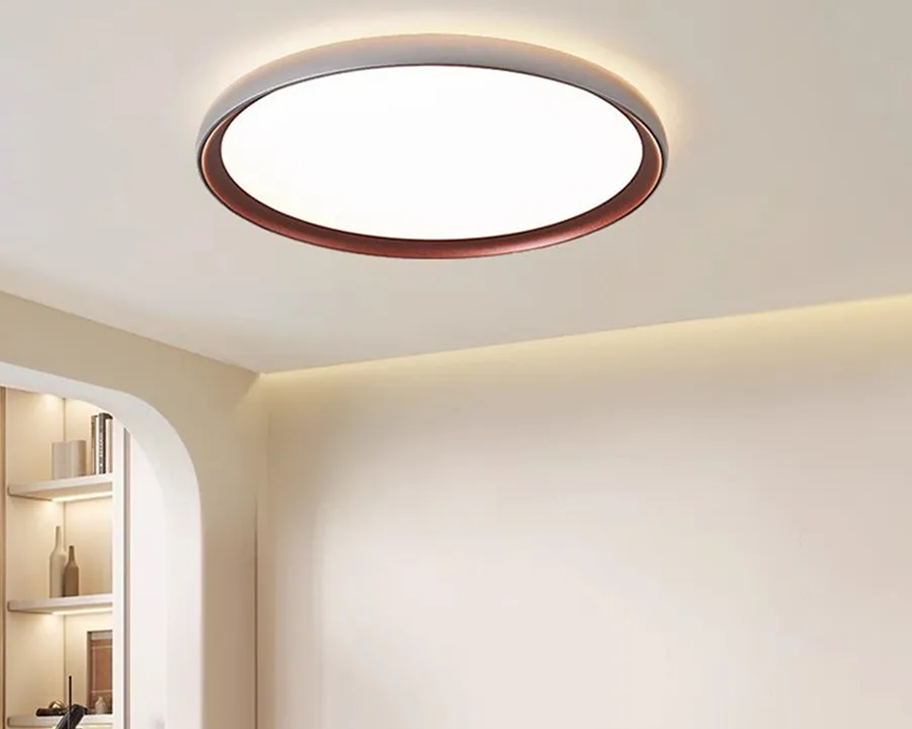
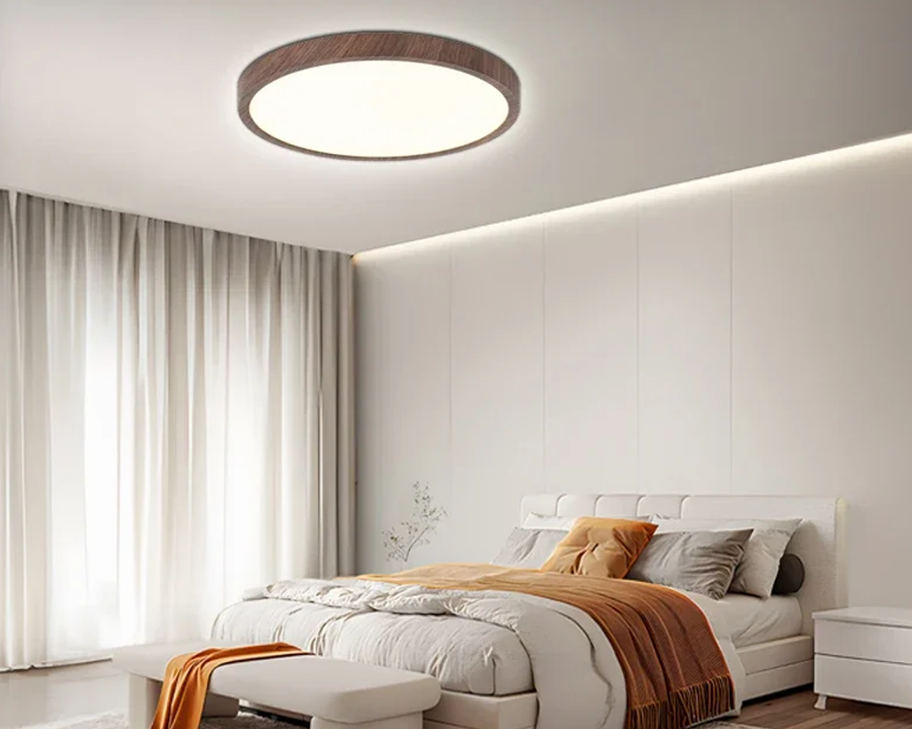
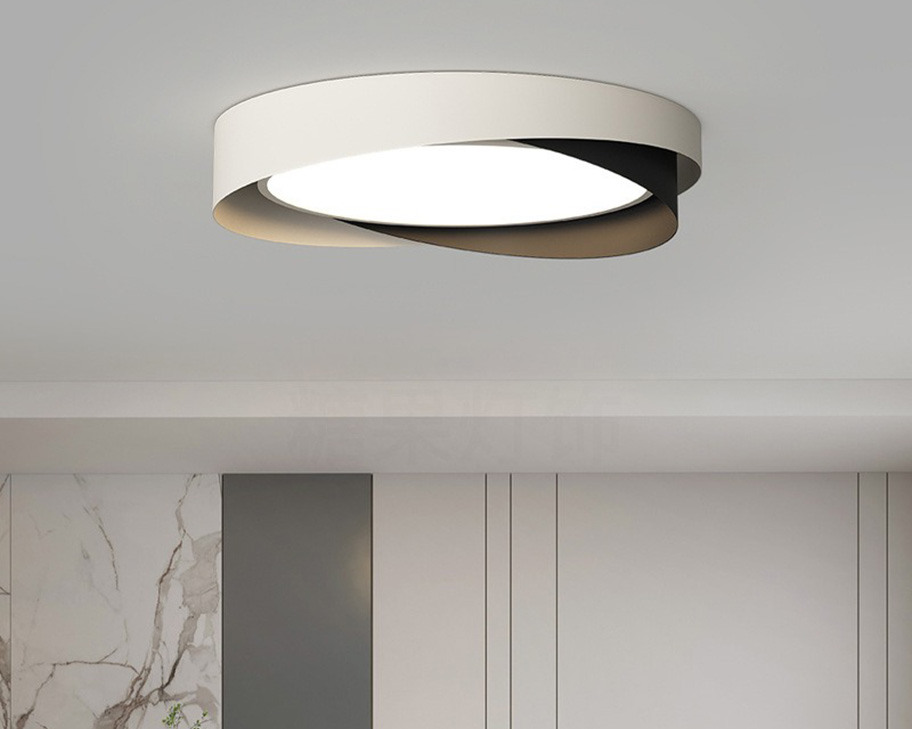
In the world of interior lighting, IP44-rated LED ceiling lights have become a versatile solution for spaces that require protection against splashes and dust. The expansive product set—from modern and minimalist designs to rustic, industrial, and coastal aesthetics—reflects a supply chain that must balance manufacturing efficiency with diverse user needs.
Manufacturers often rely on a core LED module and driver platform that can support multiple housing styles—recessed, surface-mounted, flush-mounted, semi-flush, and pendant variants. A common chassis reduces tooling costs, speeds up time-to-market, and simplifies spare-parts management. Finishes and enclosures (glass, metal, aluminum, wood, plastic, stainless steel) are layered on top of this platform to satisfy stylistic trends—from matte black and glossy white to brass or chrome accents.
IP44 protection requires effective sealing, gasket integrity, and corrosion-resistant materials. The supply chain must source reliable o-rings, tempered glass, and weatherproof housings that withstand humidity, cleaning regimens, and occasional impact. Increasingly, manufacturers adopt recycled or low-emission materials and pursue certifications (e.g., RoHS, REACH) to meet end-user expectations and regulatory requirements in different markets.
Quality control is pivotal for IP-rated fixtures. Harsh-environment testing, ingress protection verification, and thermal management tests ensure longevity in bathrooms, kitchens, hallways, and outdoor-adjacent interiors. Automation lines handle volume production, while modular design supports easy field upgrades or retrofits. Documentation, traceability, and testing records enhance after-sales service and warranty claims.
Global supply chains must align with regional electrical standards, voltage variations, and dimming technologies. Some markets favor plug-in or battery-operated IP44 fixtures for ease of installation, while others demand hardwired solutions with dimming compatibility. Regional color temperature preferences, packaging languages, and installation instructions shape the final product mix. Logistics strategies—bulk shipping, regional hubs, and air- versus sea- freight—affect lead times and cost.
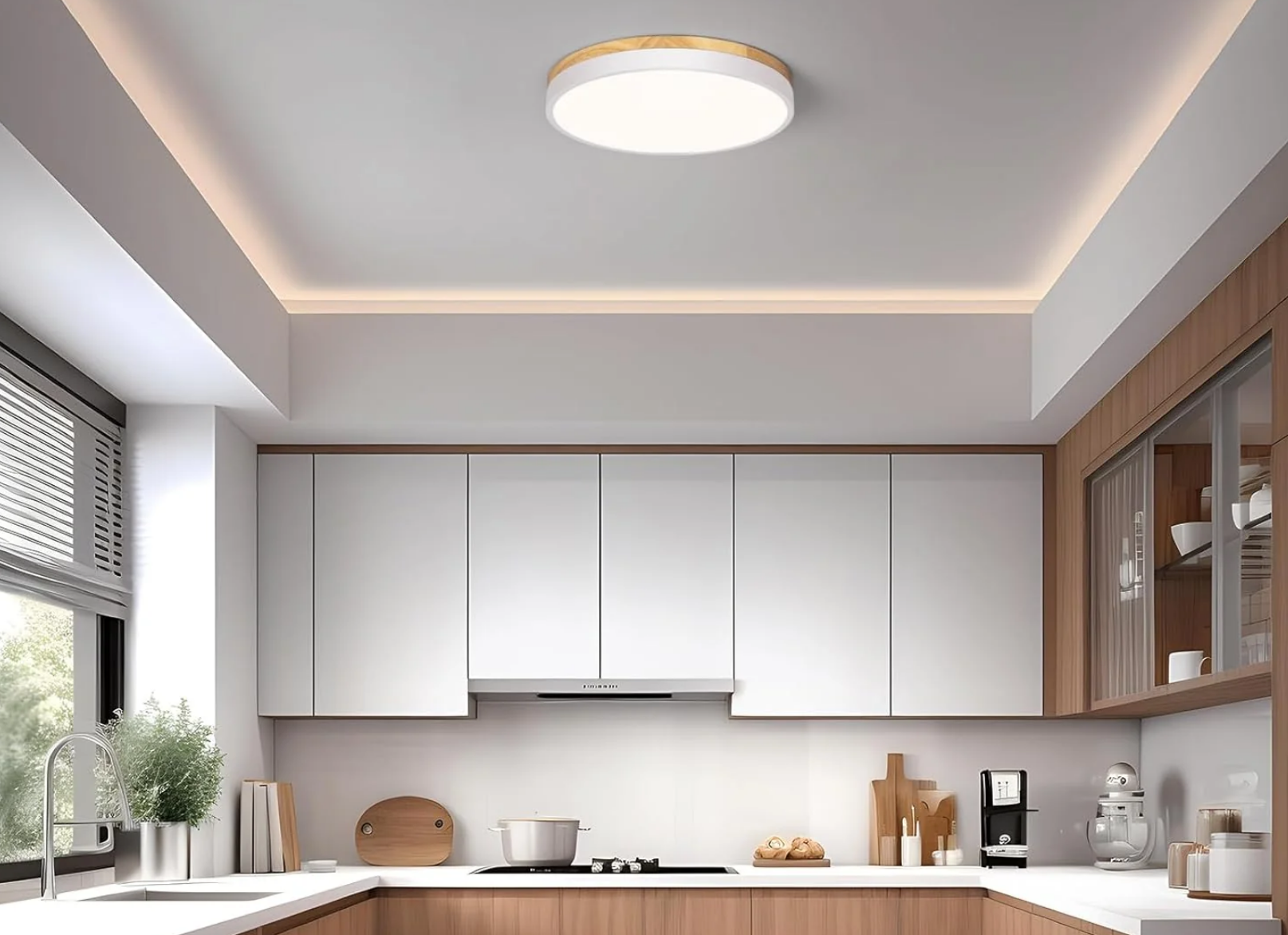
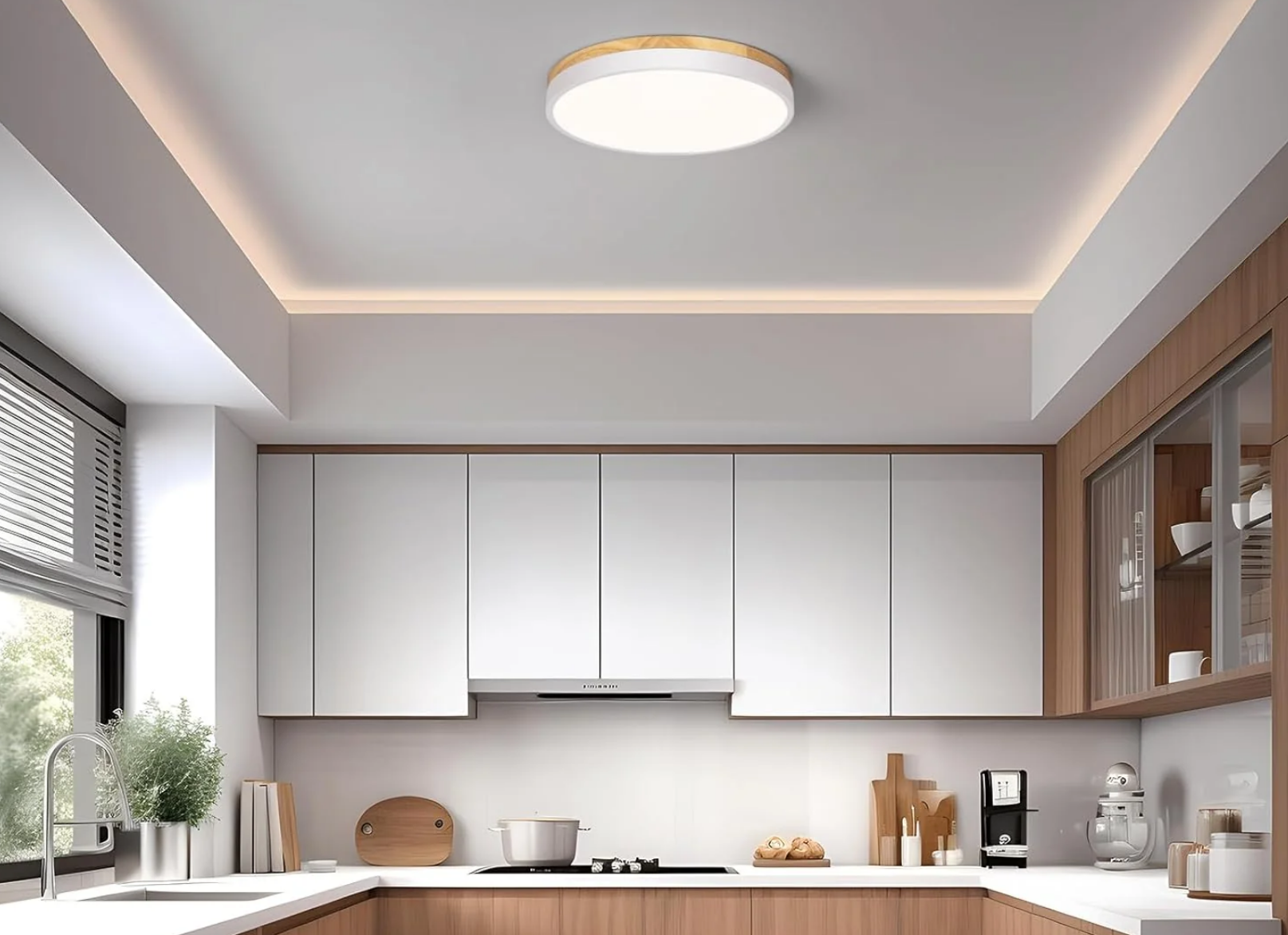
IP44 is well-suited for kitchens and bathrooms where humidity, humidity-driven corrosion, and occasional splashes are common. Recessed downlights, surface-mounted fixtures, and track lights with IP44 protection deliver reliable illumination without compromising design. In busy hospitality or retail environments, IP44 luminaires differentiate areas with water exposure (sinks, countertops) from dry zones, while maintaining aesthetic coherence.
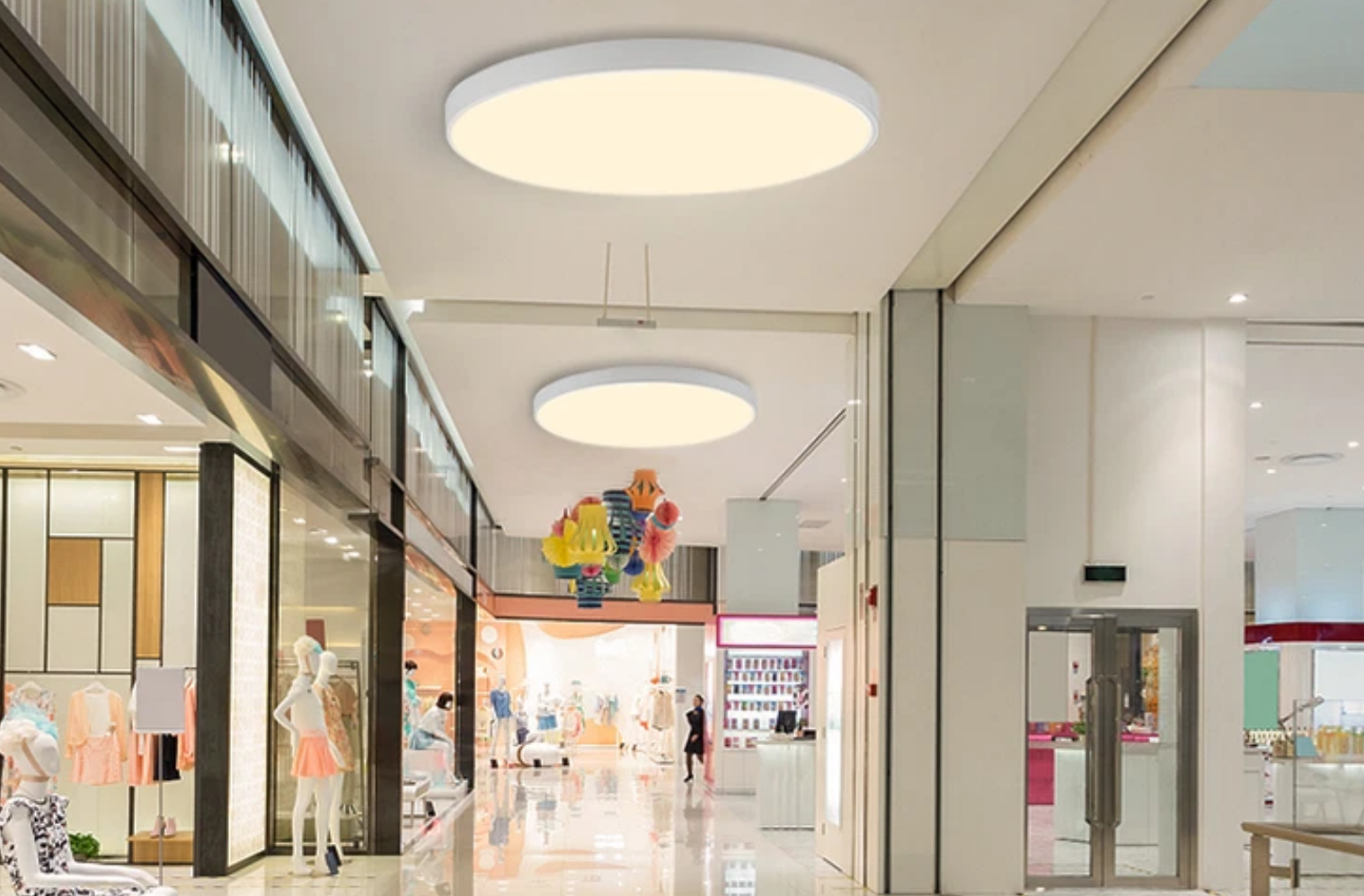
In long corridors and entryways, IP44 ceiling lights provide consistent, glare-controlled illumination. Flush-mounted or semi-flush options help maintain ceiling height and clean lines, while still offering robust protection against dust and splashes. The design spectrum—from industrial to Scandinavian—lets designers create a narrative that travels with guests or customers as they move through a space.
Hotels, offices, and retail stores benefit from a broad IP44 collection—elegant hotel luminaires, sleek retail track lighting, and simple office ceiling lights. Consistency across spaces helps brand identity, while compatibility with smart controls (dimming, occupancy sensing) enhances energy efficiency and guest comfort.
The catalog range—from vintage and rustic to modern and minimalist—gives homeowners the freedom to express personality without sacrificing durability. Finishes such as matte black, brushed chrome, or warm wood tones can harmonize with interior themes, whether it’s a Nordic-inspired bathroom or a coastal porch.
As demand grows for durable, aesthetically diverse IP44 fixtures, the industry is moving toward longer lifespans, better thermal design, and smarter controls. Modular designs enable easier upgrades, while standardized IP testing ensures consistent protection across product families. Consumers increasingly prize transparency—knowing what materials are used, how products are packaged, and how they can be serviced or recycled at end of life.