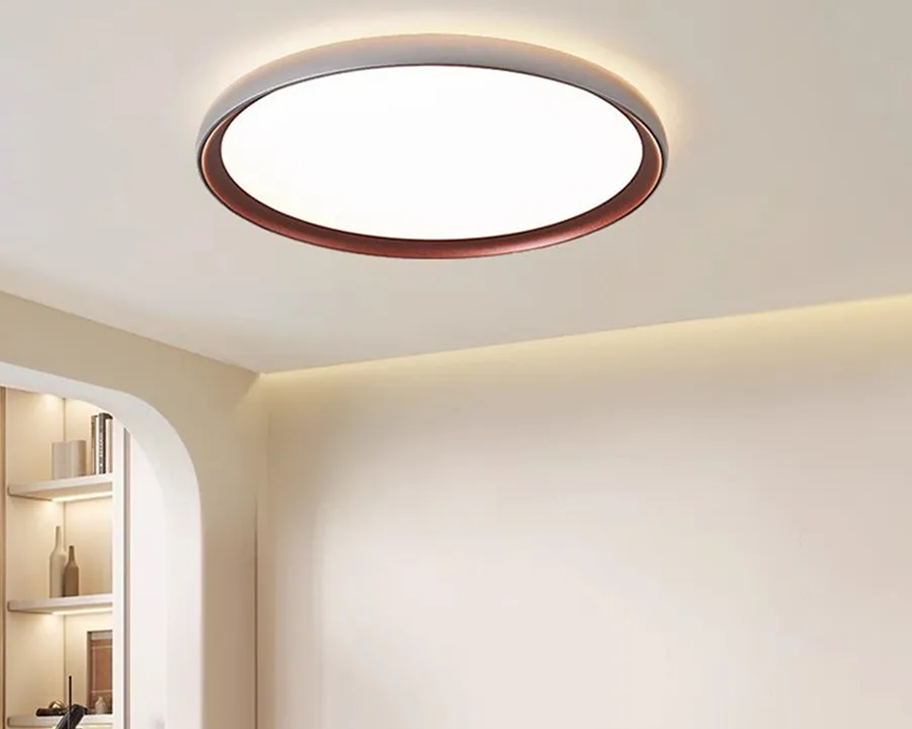
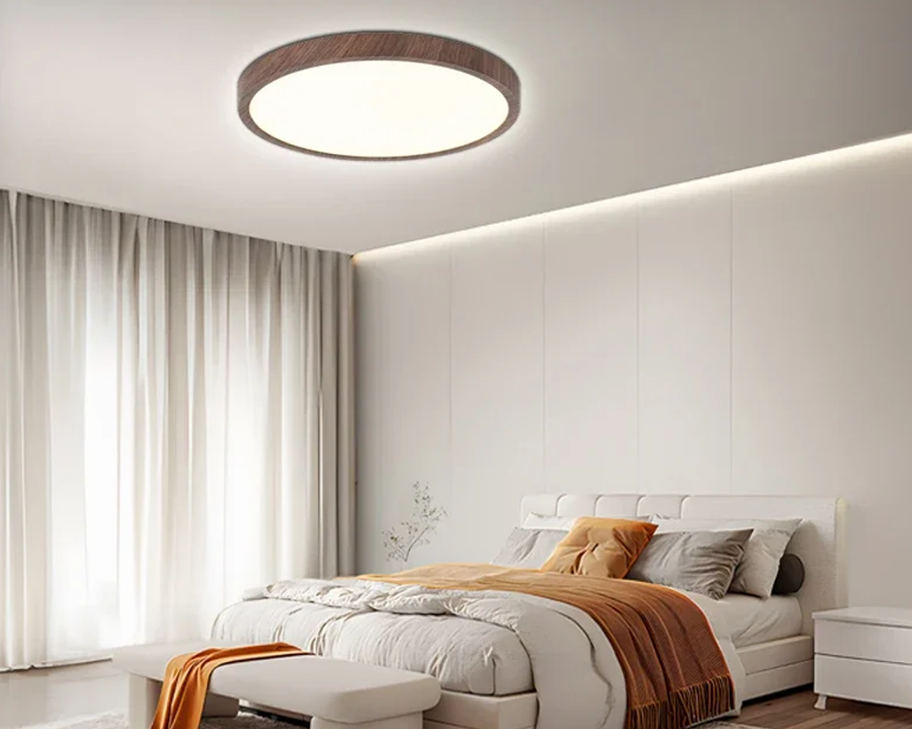
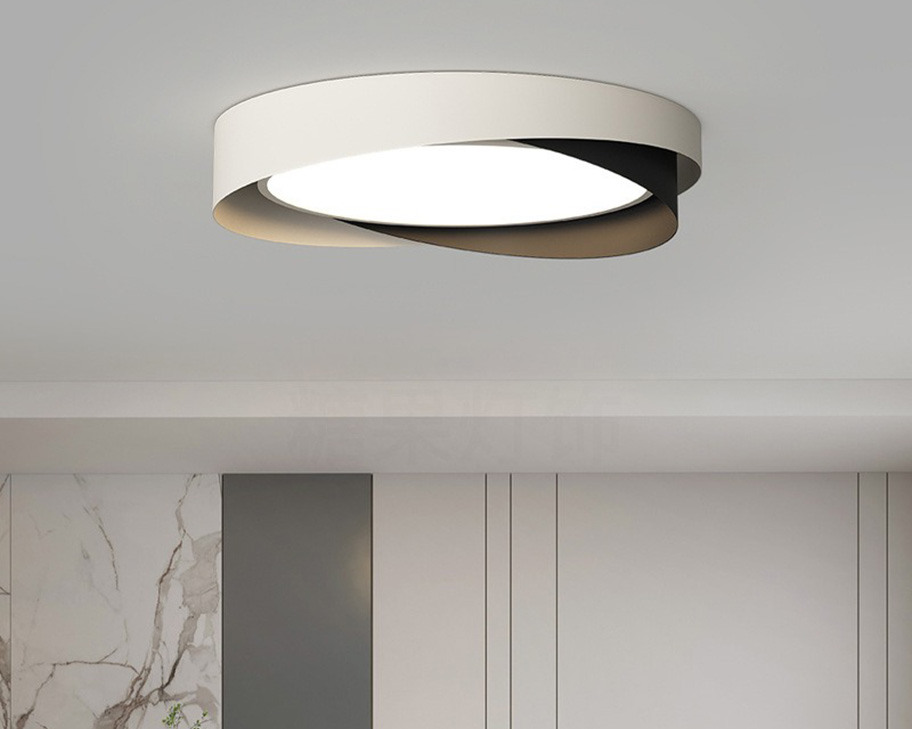
LED downlights have become a go-to lighting solution for both residential and commercial ceilings because they combine energy efficiency, long life, and flexible design.
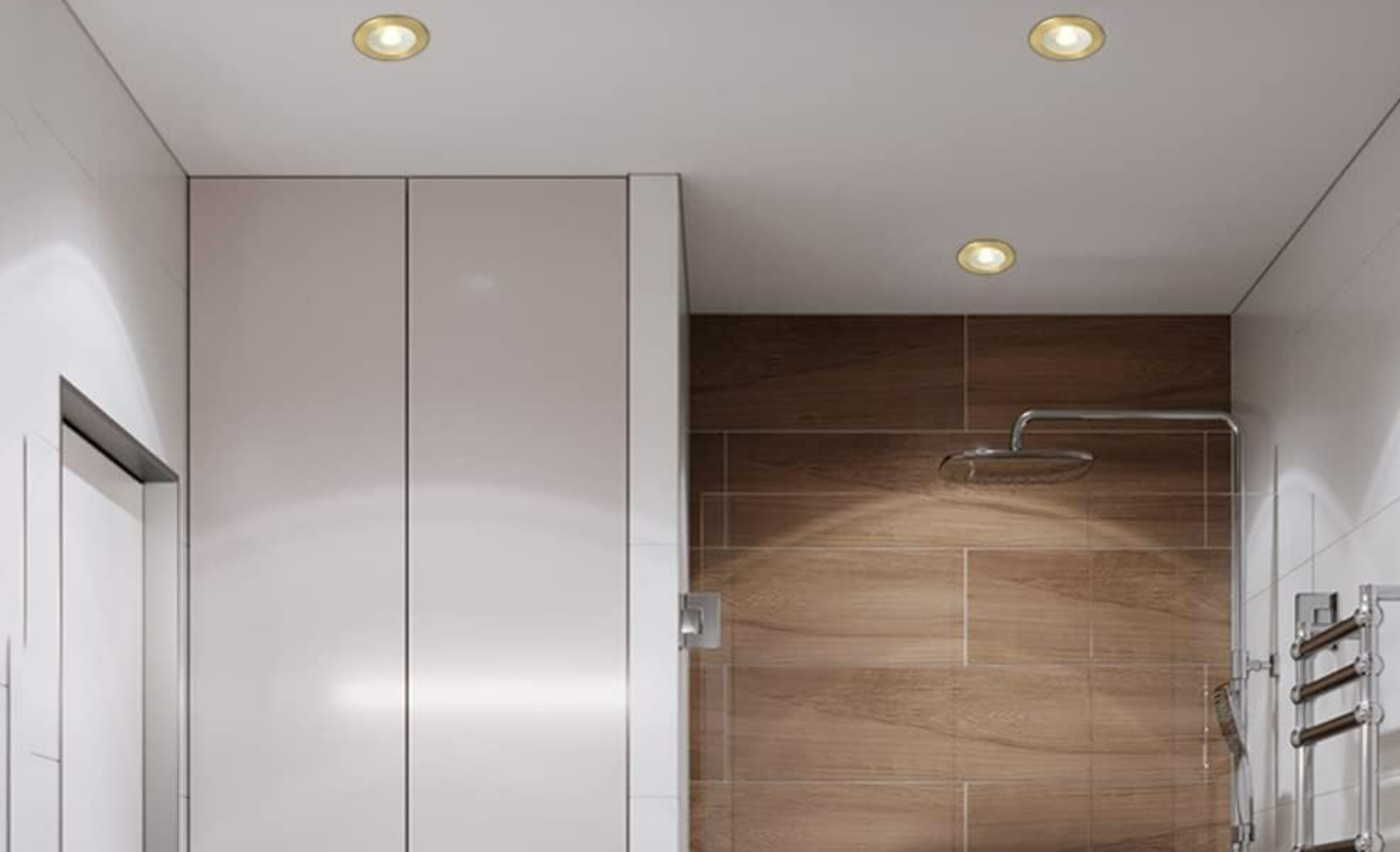
Types of LED Downlights
Fixed LED downlight: A fixed downlight has a non-adjustable head. It provides consistent, glare-controlled illumination ideal for general lighting in hallways, kitchens, and living rooms. Fixed models are typically more compact and cost-effective than adjustable alternatives.
Eyeball (or adjustable) LED downlight: The eyeball downlight features an adjustable, pivoting head that allows you to direct light where it’s needed—perfect for accenting artwork, highlighting shelving, or creating task-specific pools of light. Its directional control makes it popular in retail and gallery spaces.
Flat LED downlight: Flat or slim downlights are designed for ultra-shallow ceiling voids. With low-profile housings, they are well-suited to renovations or modern interiors where minimal visual intrusion is desired. Despite their slim form, many provide powerful, even illumination.
Emergency LED downlight: Emergency downlights contain a built-in battery and circuitry to provide illumination during a power outage. These are essential in commercial buildings, corridors, stairwells, and exit routes to meet safety regulations and ensure occupant safety during emergencies.
Installation and Fittings
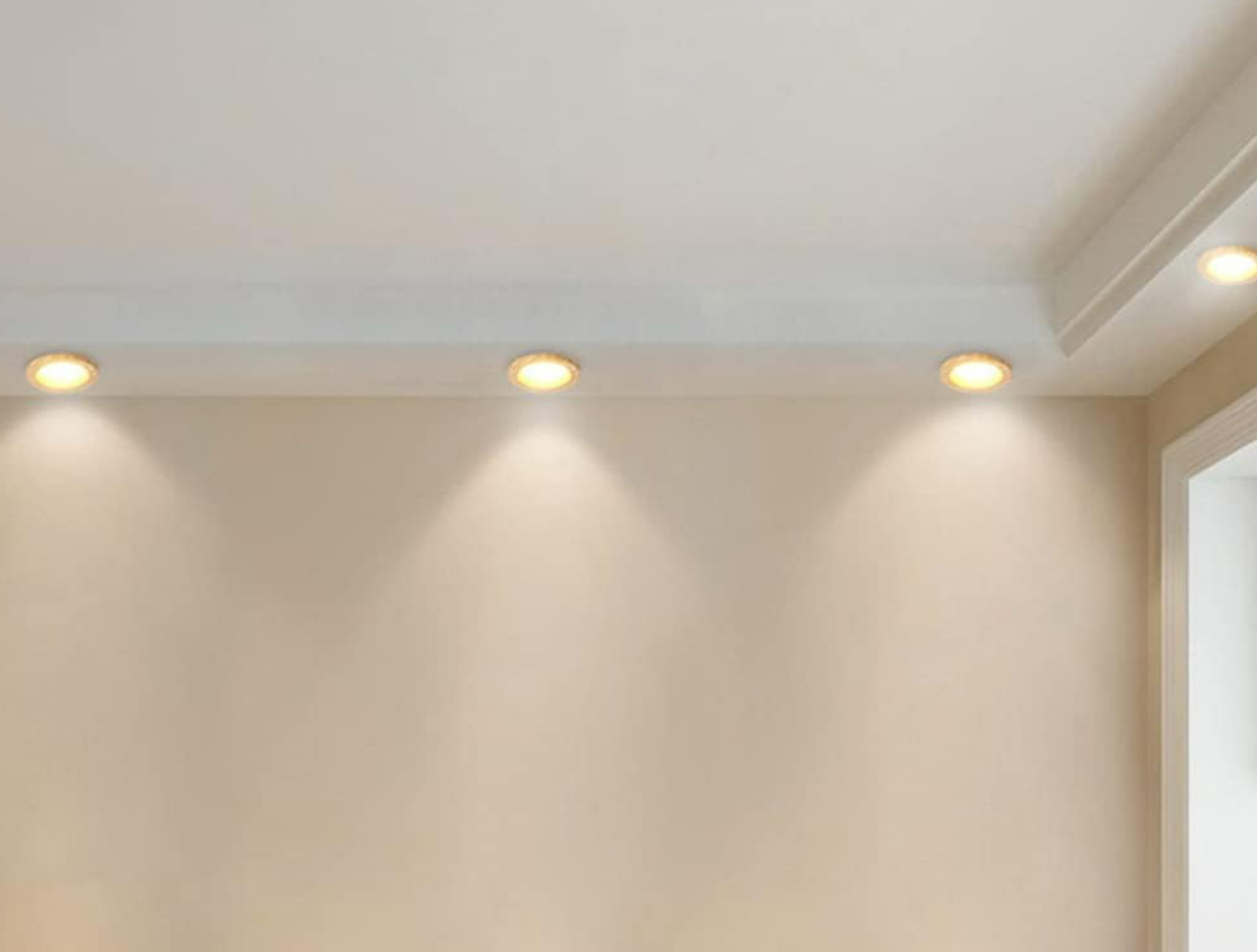
LED downlight for ceiling: Downlights intended for ceiling installation come with various cut-out sizes and mounting methods. It’s important to confirm ceiling thickness and available void space before selecting a model. Recessed ceiling installation generally requires a compatible housing and correct thermal management to protect both the fitting and the ceiling material.
LED downlight fixture: The fixture may refer to the full assembly—trim, housing, driver, and any mounting brackets. Choosing a fixture that matches the architectural finish and light output needed (measured in lumens) simplifies specification and installation.
LED downlight fitting types: Fittings vary by trim (baffle, reflector, eyeball), connection (plug-and-play or hardwired), and IP rating for moisture protection. Common trim finishes include white, black, and metallic tones. Select a fitting type that matches the room function—baffles reduce glare for living spaces; reflectors boost beam intensity for task areas.
Safety and Compliance Accessories
LED downlight fire hood: A fire hood (or fire-rated box) is a required accessory in many buildings. It prevents the spread of fire through ceiling penetrations created by downlight installation and maintains the fire-resistance rating of the ceiling. Make sure your downlight and fire hood are compatible and certified for your ceiling type.
LED downlight extension plate: Extension plates are used when ceiling thickness exceeds the standard mounting depth or to bridge gaps between the cut-out and trim. They allow secure installation in suspended or irregular ceilings without compromising the trim alignment.
Choosing the Right Downlight
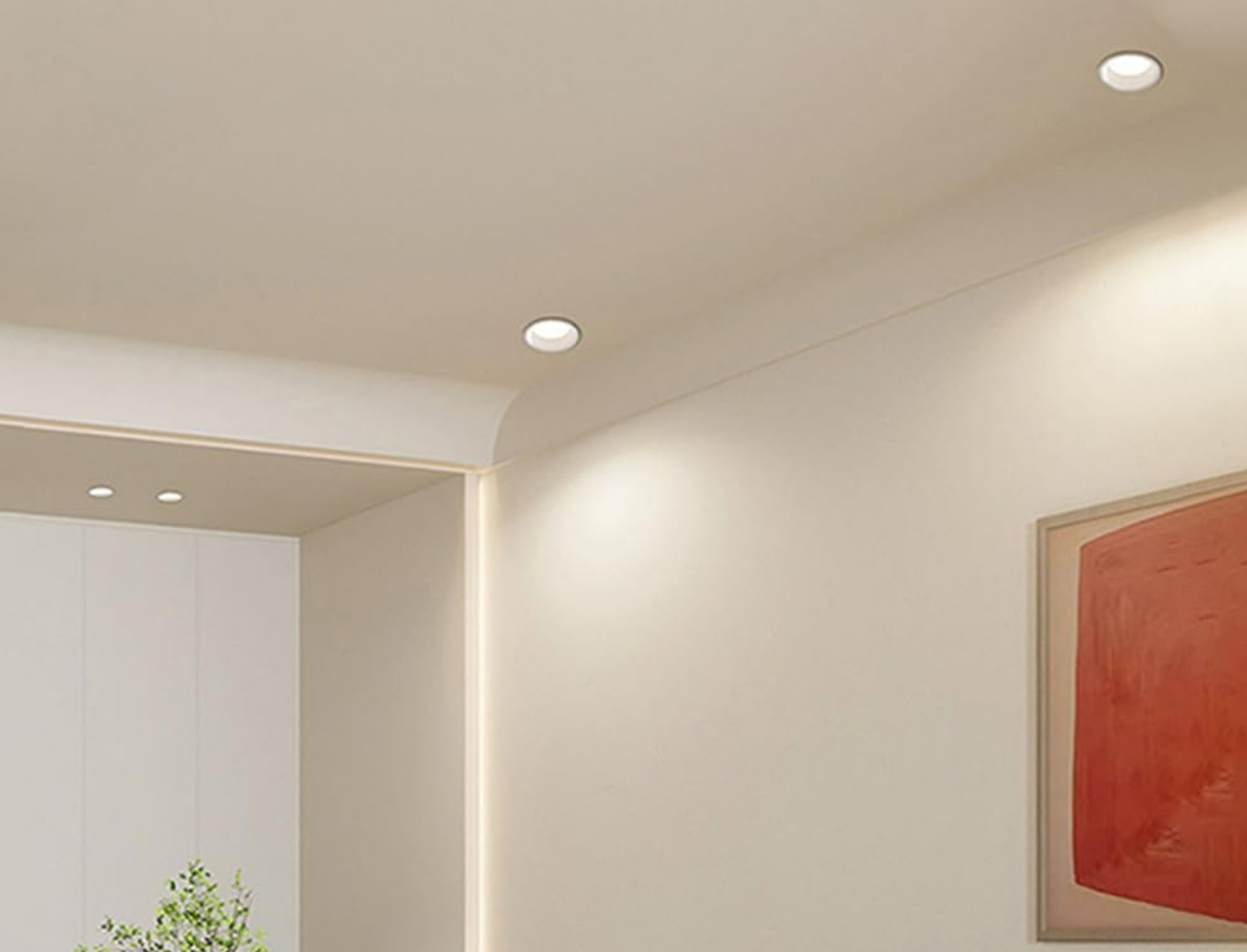
Selecting the right LED downlight starts with defining the application: general lighting, accenting, or emergency use. Consider lumens and color temperature for mood and task performance, beam angle for coverage, and IP/fire ratings for wet areas and safety compliance. For retrofit projects, slim or flat downlights and extension plates can resolve space limitations; for new builds, integrate fire hoods and emergency downlights to meet code requirements from the start.
LED downlights offer versatile, efficient lighting options that can be tailored with styles such as fixed, eyeball, and flat designs, and equipped with important accessories like fire hoods, extension plates, and emergency modules. Understanding these types and components helps ensure the right choice for safety, aesthetics, and performance in any ceiling installation.