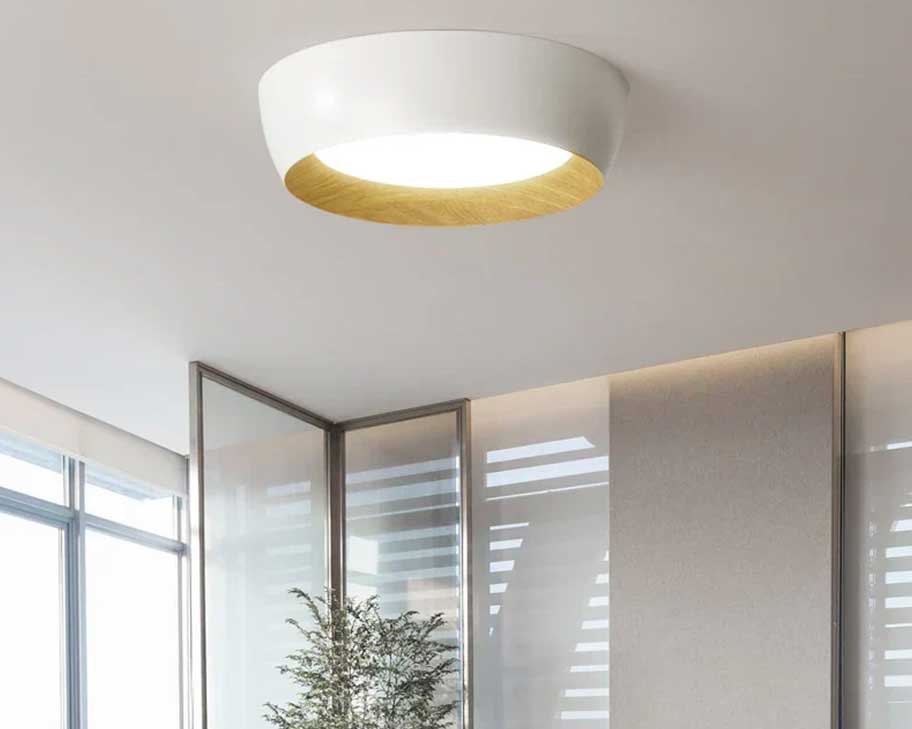
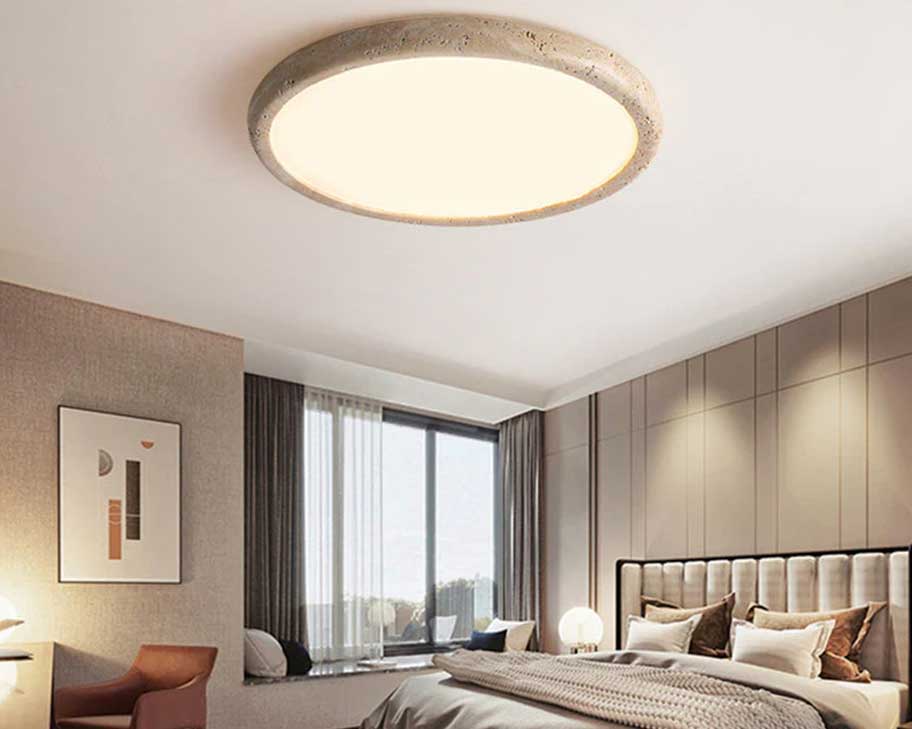
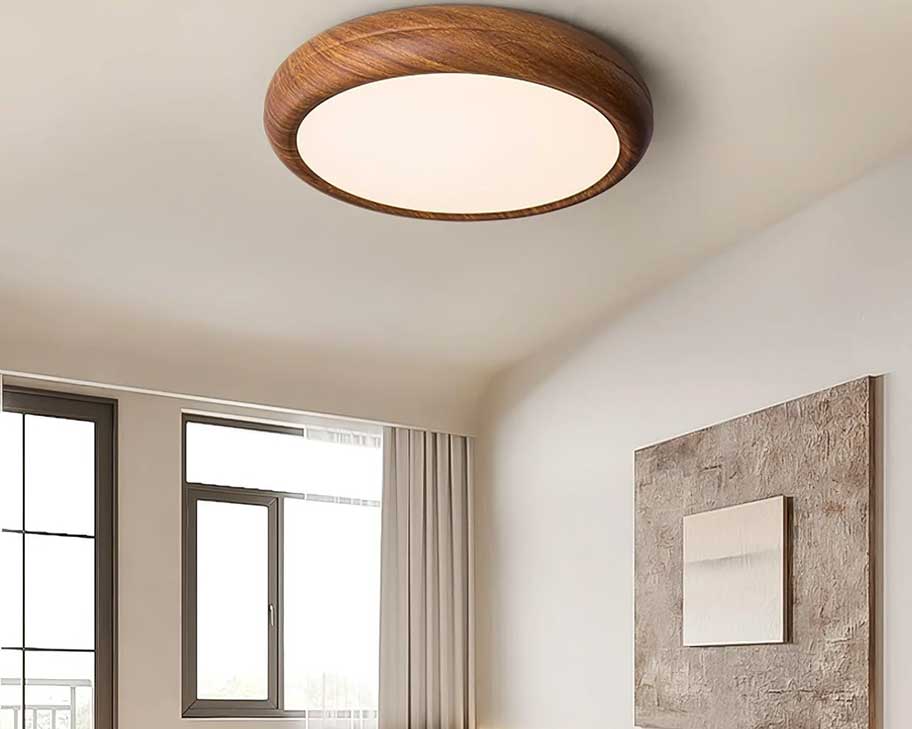
The global market for IP65 LED ceiling lights is experiencing steady growth, driven by rising demand for durable, versatile, and stylish lighting solutions across residential, commercial, and industrial spaces. With a projected market size of over $220 billion by 2030, understanding material preferences, supply chain dynamics, and user needs is critical for businesses aiming to capitalize on this trend. From glass and metal to wood and plastic, the diverse materials of IP65 LED ceiling lights cater to varied user tastes, while advanced supply chain practices ensure quality and accessibility—key factors for Google SEO success and commercial conversion.
From the supply chain and production perspective, material selection and manufacturing precision directly impact product quality and market competitiveness. Glass variants, including the IP65 frosted glass LED ceiling light, IP65 clear glass LED ceiling light, IP65 textured glass LED ceiling light, IP65 curved glass LED ceiling light, IP65 flat glass LED ceiling light, IP65 ribbed glass LED ceiling light, and IP65 patterned glass LED ceiling light, undergo strict quality control to ensure the IP65 waterproof and dustproof rating, with specialized processing to enhance light diffusion and durability.
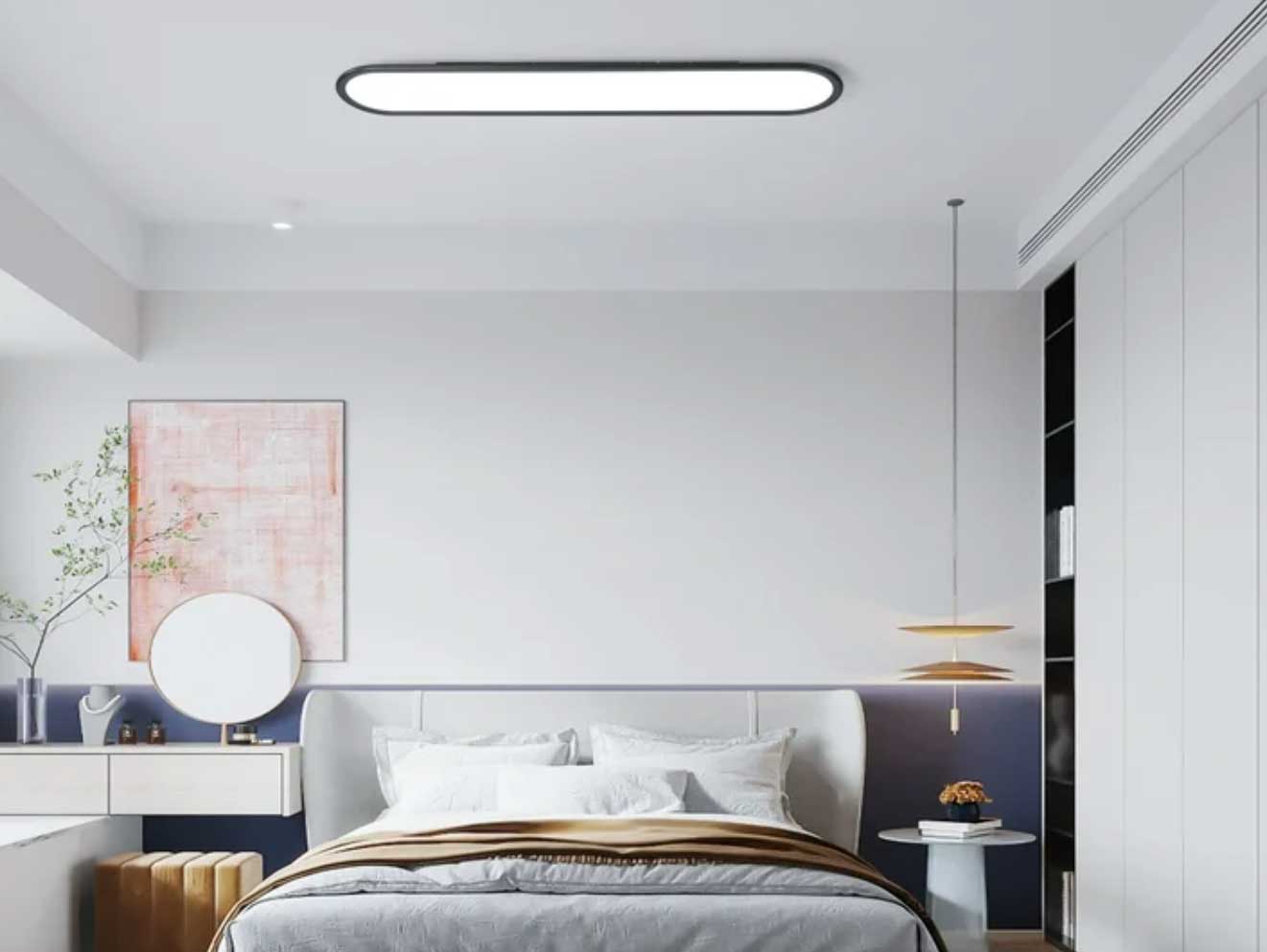
Wood and plastic variants address diverse user needs, with the IP65 solid wood LED ceiling light and IP65 engineered wood LED ceiling light catering to eco-conscious consumers seeking warmth, while the IP65 frosted plastic LED ceiling light and IP65 hard plastic LED ceiling light offer cost-effective, lightweight solutions for budget-friendly projects. The IP65 slim frame LED ceiling light, meanwhile, reflects production trends toward compact, space-saving designs, made possible by optimized material usage and streamlined manufacturing processes. Supply chains are evolving to prioritize sustainability, with manufacturers sourcing recycled materials and optimizing production to reduce waste, aligning with global green building policies.
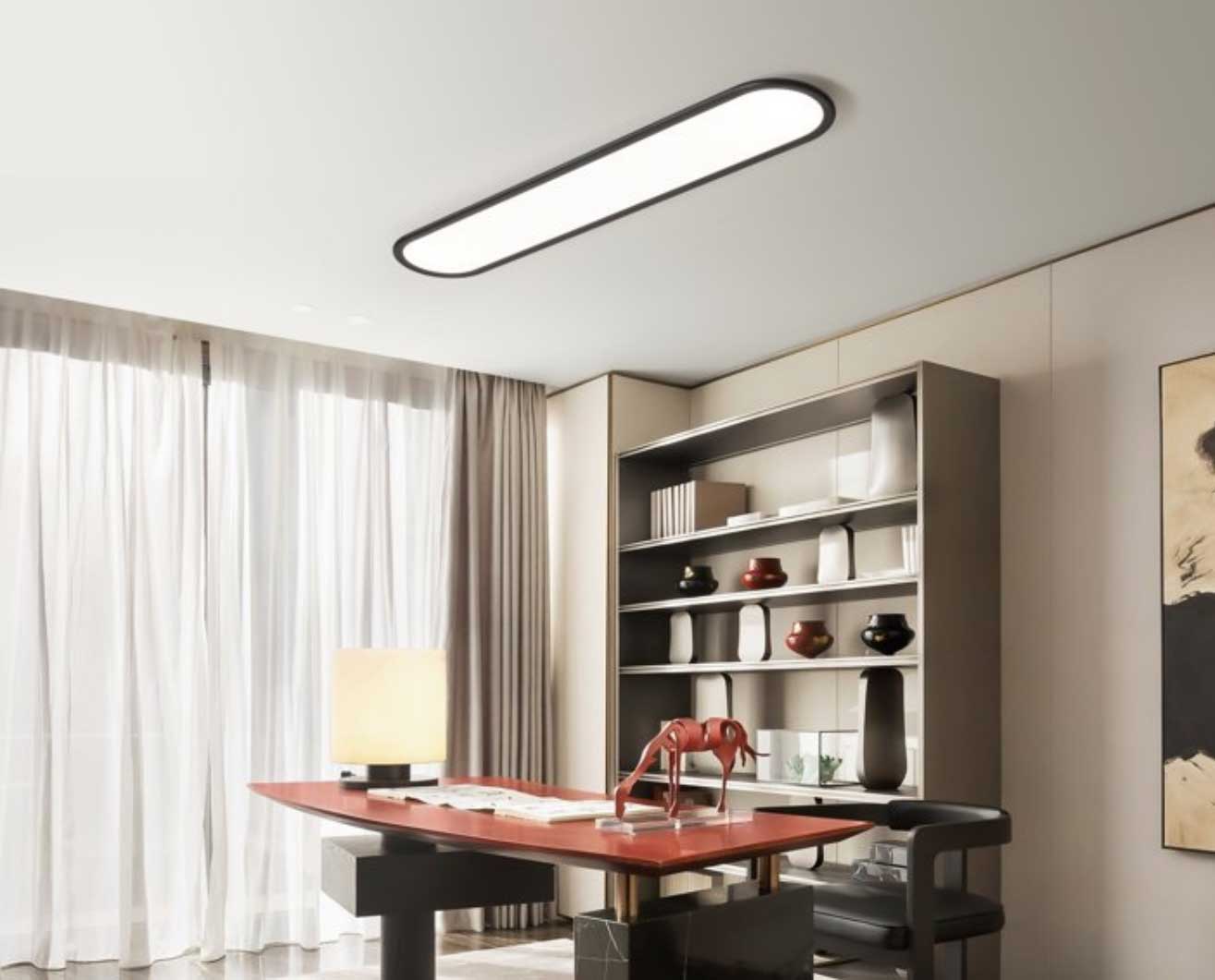
User demand is the driving force behind market trends, with consumers prioritizing three core factors: durability, aesthetics, and functionality. The IP65 rating is non-negotiable for spaces prone to moisture, dust, or harsh conditions, making these lights ideal for bathrooms, garages, porches, and commercial areas. Users increasingly seek customization, with glass variants offering soft or clear illumination, metal options providing industrial or elegant finishes, and wood/plastic models fitting diverse decor styles. Market data shows a growing preference for energy-efficient, long-lasting fixtures—features integrated into all these IP65 LED ceiling lights, with lifespans exceeding 50,000 hours and energy savings of up to 80% compared to traditional lighting.
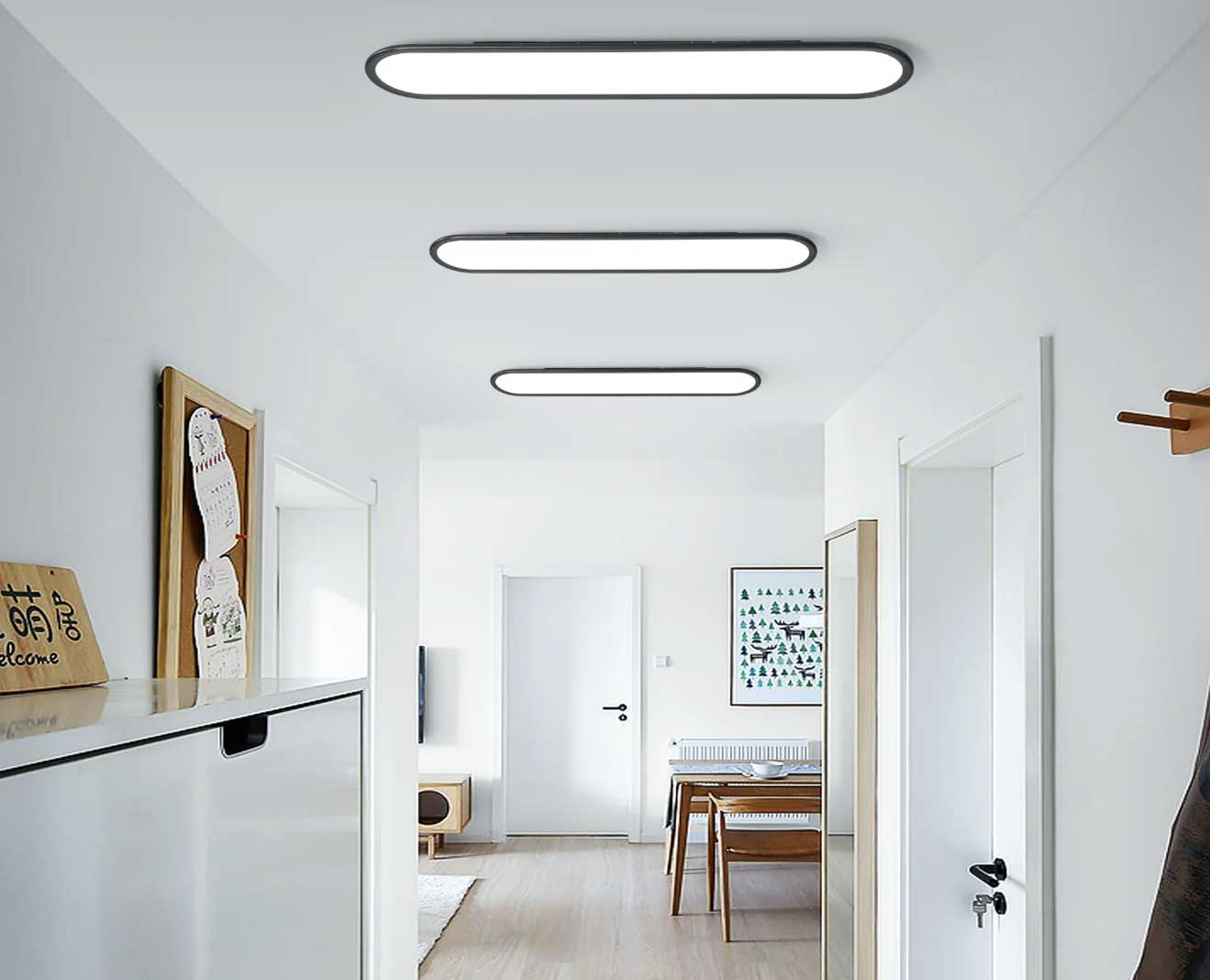
For businesses, aligning supply chain practices with user demand is key to SEO success and conversion. Highlighting material-specific benefits (e.g., the durability of cast aluminum, the elegance of polished stainless steel, the warmth of solid wood) in product descriptions and content helps target searchers actively seeking these features. As the market shifts toward smart, sustainable lighting, integrating these material trends into supply chain planning and user communication will ensure competitiveness in the growing IP65 LED ceiling light segment.