In the specification of architectural lighting, particularly for environments subject to humidity or dust, the Ingress Protection (IP) rating is the primary metric for performance. An IP65 rating certifies that a lighting fixture is dust-tight and protected against water jets from any direction. However, beyond the technical seal of the housing, the choice of external materials—glass, metal, wood, and plastic—dictates the optical performance, longevity, and aesthetic integration of the fixture.
Optical Clarity and Glass Finishes
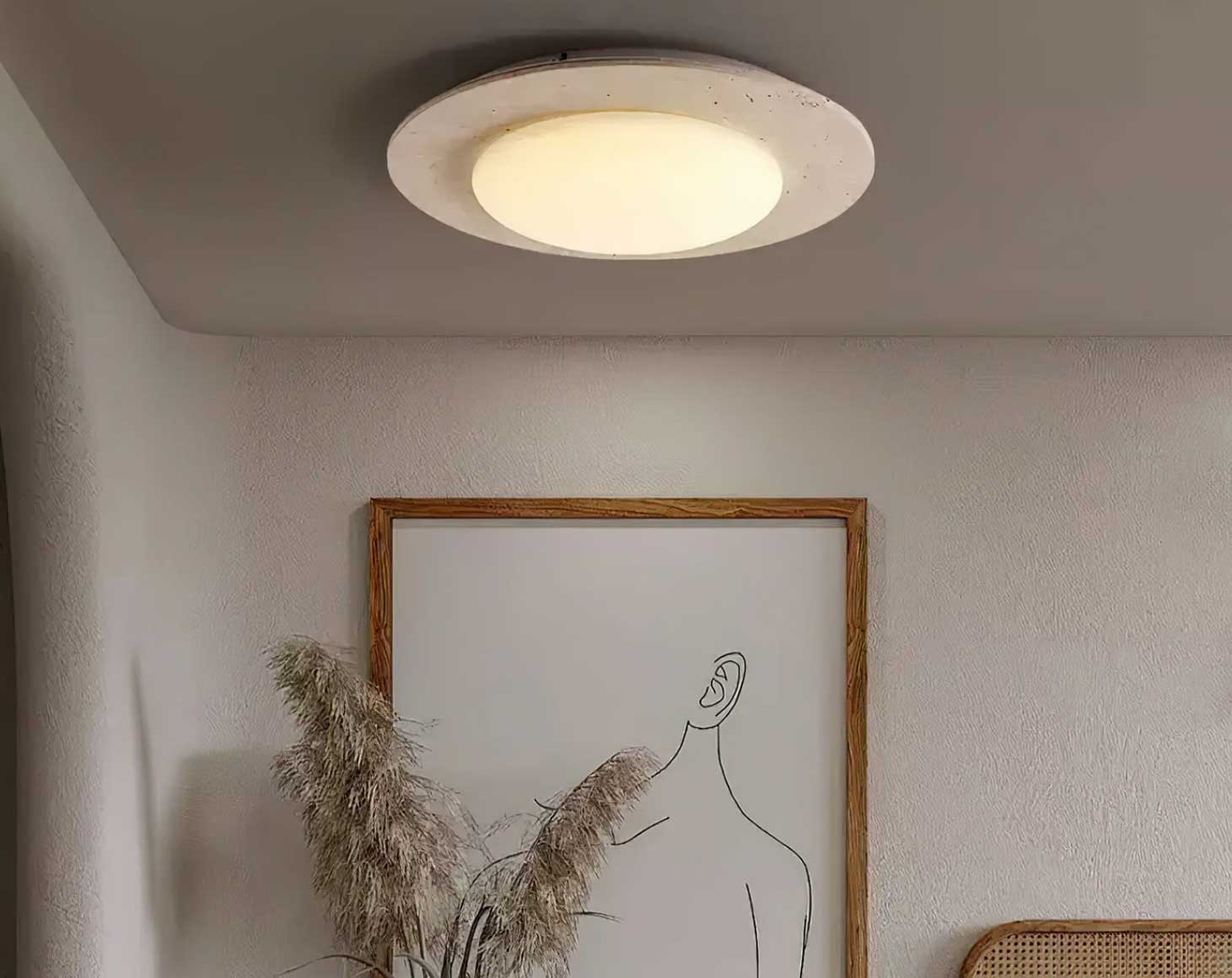
The selection of glass for an IP65 LED ceiling light is a critical decision that influences light transmission and diffusion. Glass remains a preferred material for its resistance to yellowing and its ability to withstand high temperatures.
Diffusion and Privacy: An IP65 frosted glass LED ceiling light is the standard solution for general illumination. The frosted surface scatters light rays, reducing glare and masking the internal LED components. For applications requiring higher light transmission with a degree of diffusion, an IP65 clear glass LED ceiling light offers a transparent finish, though it reveals the internal structure of the lamp.
Texture and Refraction: To manipulate the light distribution, designers often specify an IP65 textured glass LED ceiling light or an IP65 patterned glass LED ceiling light. These surfaces break up the light to create visual interest and reduce harsh shadows. A specific variation, the IP65 ribbed glass LED ceiling light, utilizes linear ridges to direct light in specific vectors, often used in modern or industrial settings.
Form Factor: While most ceiling lights utilize an IP65 flat glass LED ceiling light design for ease of mounting, curved options exist for softer aesthetics. An IP65 curved glass LED ceiling light can soften the geometry of a room, providing a seamless transition between the fixture and the ceiling plane.
Metallic Durability and Finishes
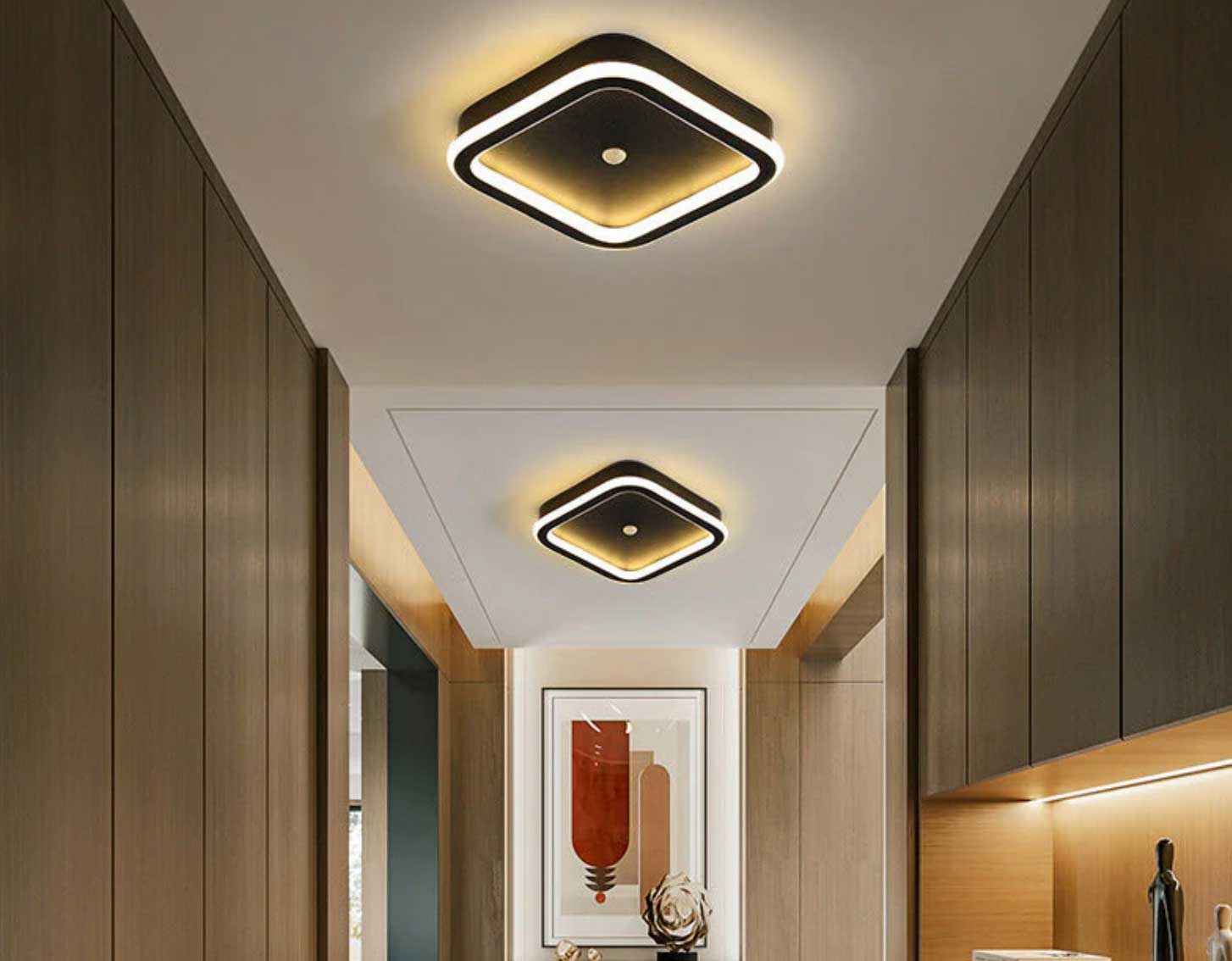
Metal housings are essential for thermal management and structural integrity in IP65 fixtures. The choice of metal and finish impacts both heat dissipation and corrosion resistance.
Aluminum Construction: Aluminum is the industry standard for LED heat sinks. An IP65 cast aluminum LED ceiling light provides a robust, heavy-duty housing suitable for harsh environments, as the casting process allows for complex heat-dissipating shapes. Alternatively, an IP65 extruded aluminum LED ceiling light offers a more streamlined profile, often used in linear lighting applications where consistent heat management is required along the length of the fixture.
Stainless Steel Varieties: For areas requiring superior corrosion resistance, such as coastal properties or food processing areas, stainless steel is the optimal choice. An IP65 polished stainless steel LED ceiling light provides a mirror-like finish that is easy to clean and highly reflective. In contrast, an IP65 brushed stainless steel LED ceiling light offers a satin finish that resists fingerprints and minor abrasions.
Surface Textures: Aesthetic finishes vary to match interior hardware. An IP65 brushed metal LED ceiling light provides a soft, directional grain, while an IP65 polished metal LED ceiling light maximizes reflectivity. For a non-reflective, modern industrial look, an IP65 matte metal LED ceiling light is frequently specified. Additionally, an IP65 hammered metal LED ceiling light introduces a dimpled texture that adds artisanal character to the fixture.
Organic and Synthetic Materials
While metal and glass dominate the market, wood and high-grade plastics offer specific advantages in cost, weight, and design warmth.
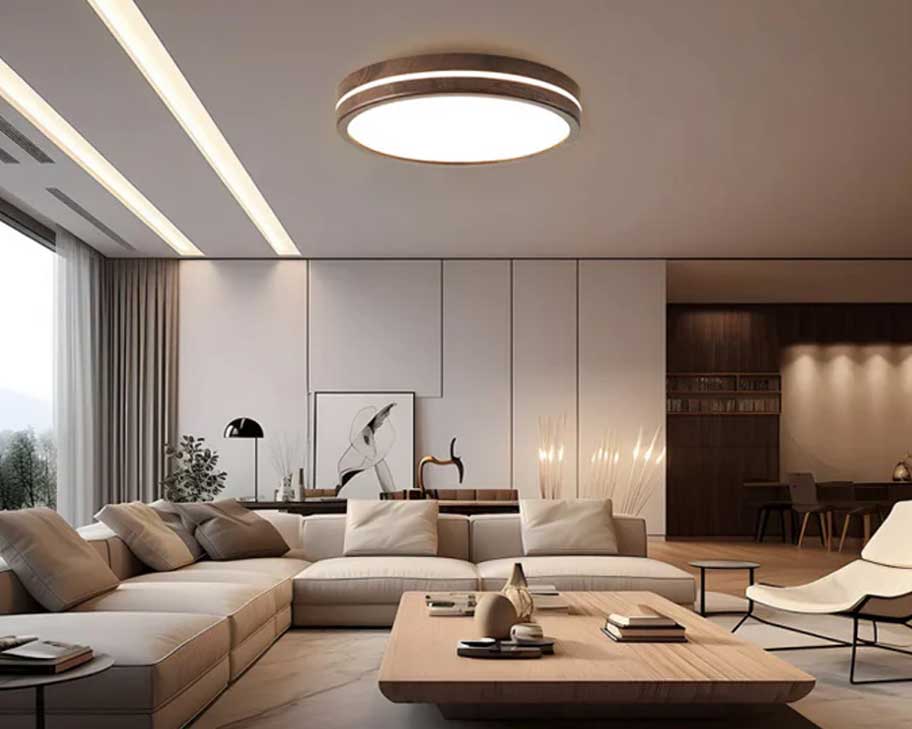
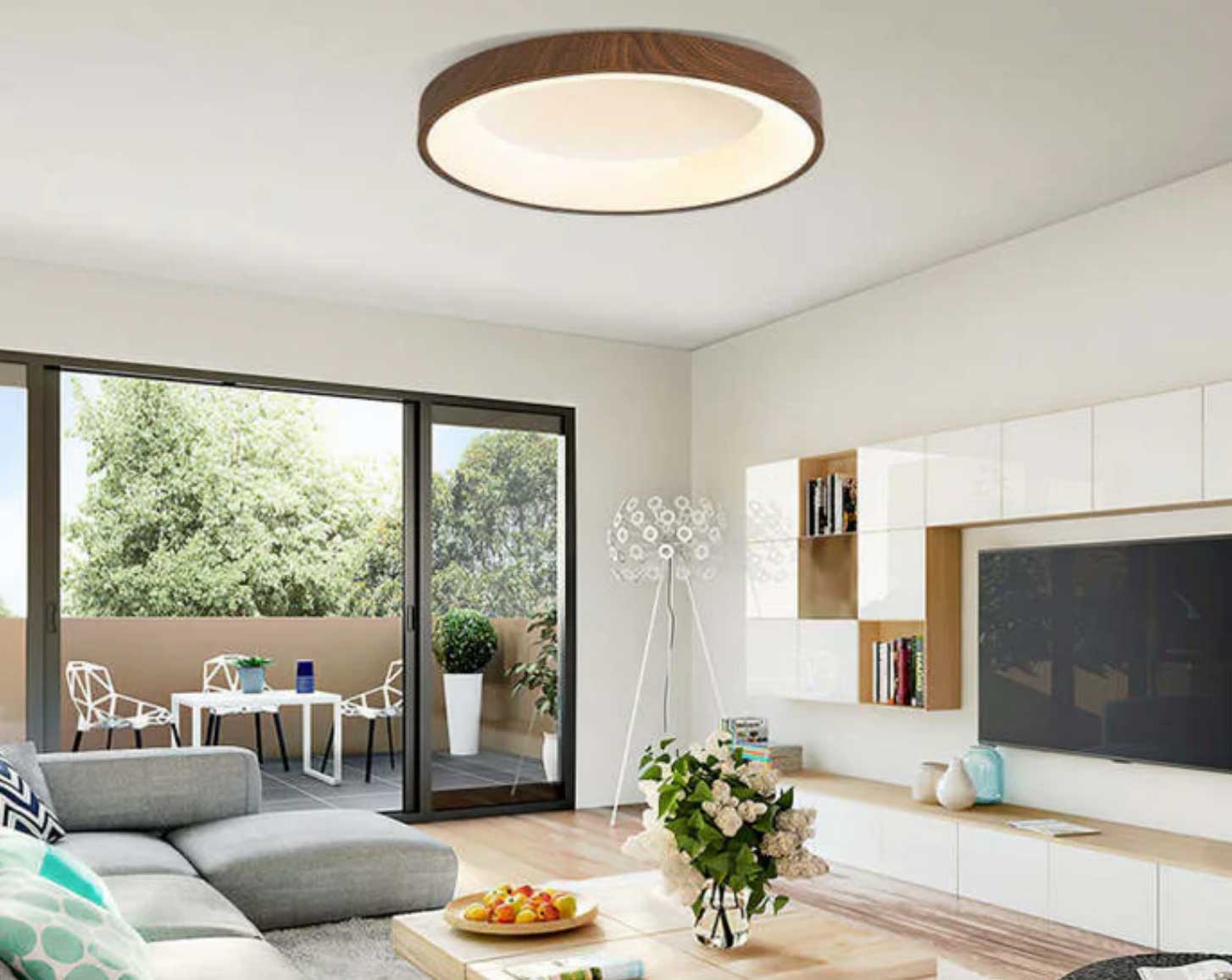
Wood Finishes: To introduce warmth to humid environments like spas or residential bathrooms, manufacturers utilize treated woods. An IP65 solid wood LED ceiling light offers a premium, natural grain that is unique to every fixture. For more consistent coloration and stability against warping, an IP65 engineered wood LED ceiling light is often used, providing a durable veneer over a stable core.
Plastic Polymers: High-quality polymers are utilized for their impact resistance and versatility. An IP65 hard plastic LED ceiling light is lightweight and resistant to breakage, making it suitable for high-traffic corridors. For light diffusion, an IP65 frosted plastic LED ceiling light mimics the look of glass at a lower cost and weight.
Structural Integration
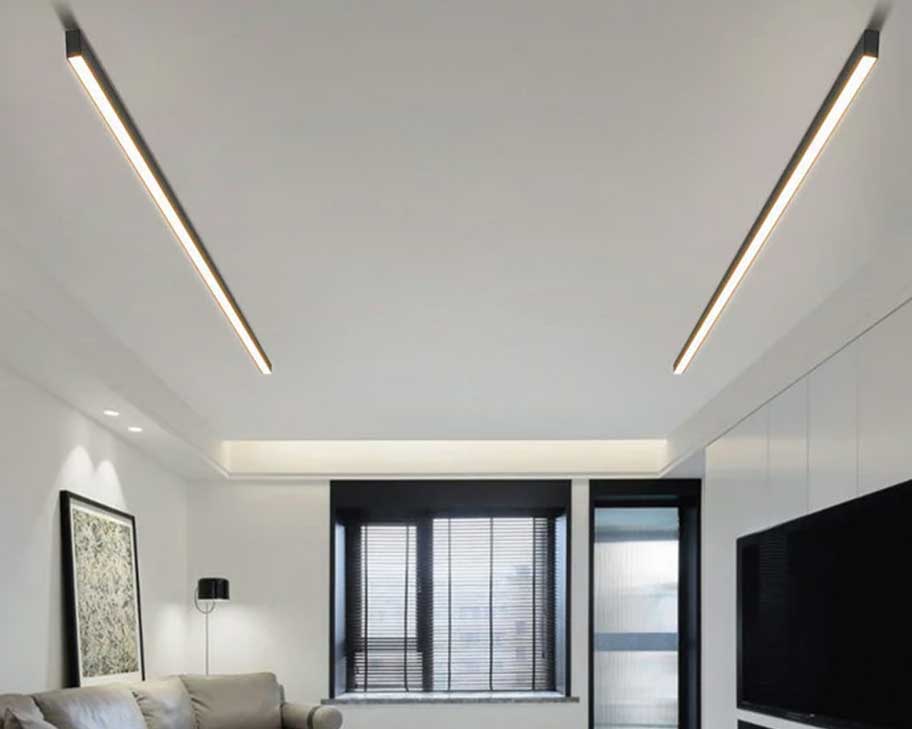
The framing of the light affects its visual weight on the ceiling. An IP65 slim frame LED ceiling light is designed to minimize the visual footprint of the fixture, creating a sleek, integrated look that is popular in contemporary minimalist architecture. This structural choice complements the material choices above, ensuring that the IP65 rating does not necessitate a bulky or obtrusive design.
In summary, specifying an IP65 LED ceiling light requires a careful evaluation of materials. Whether prioritizing the optical properties of ribbed glass, the thermal benefits of cast aluminum, or the aesthetic appeal of solid wood, understanding these material distinctions ensures the selected fixture meets both environmental protection standards and design requirements.