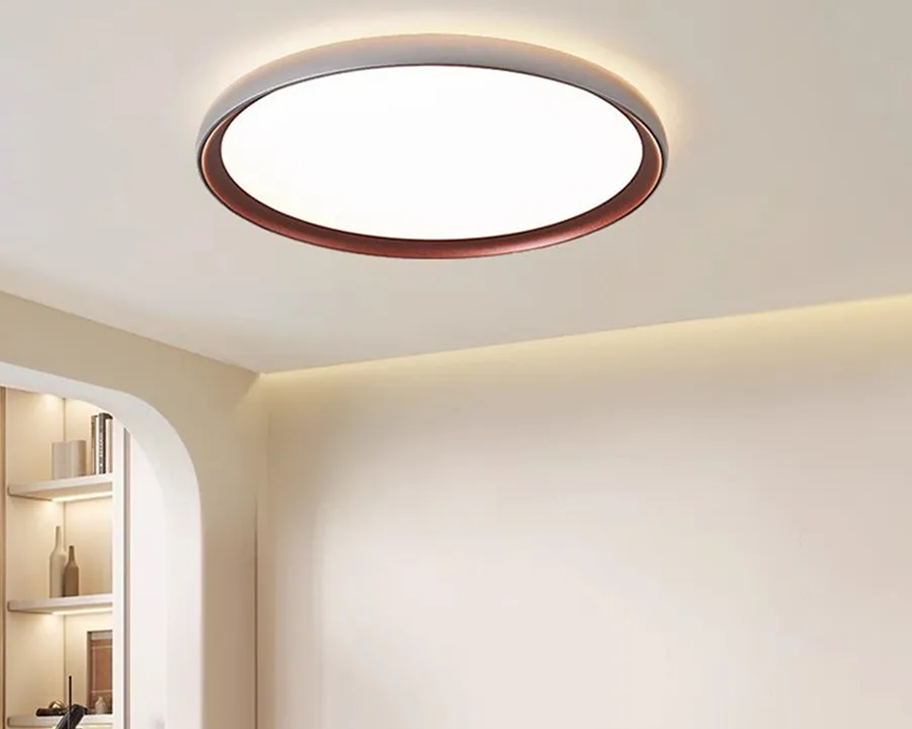
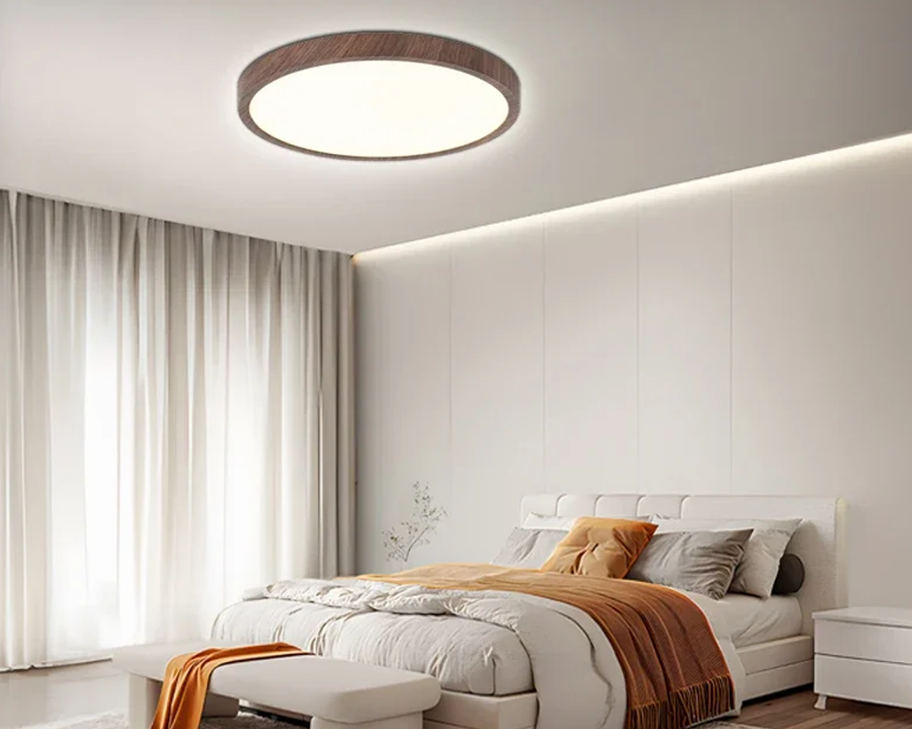
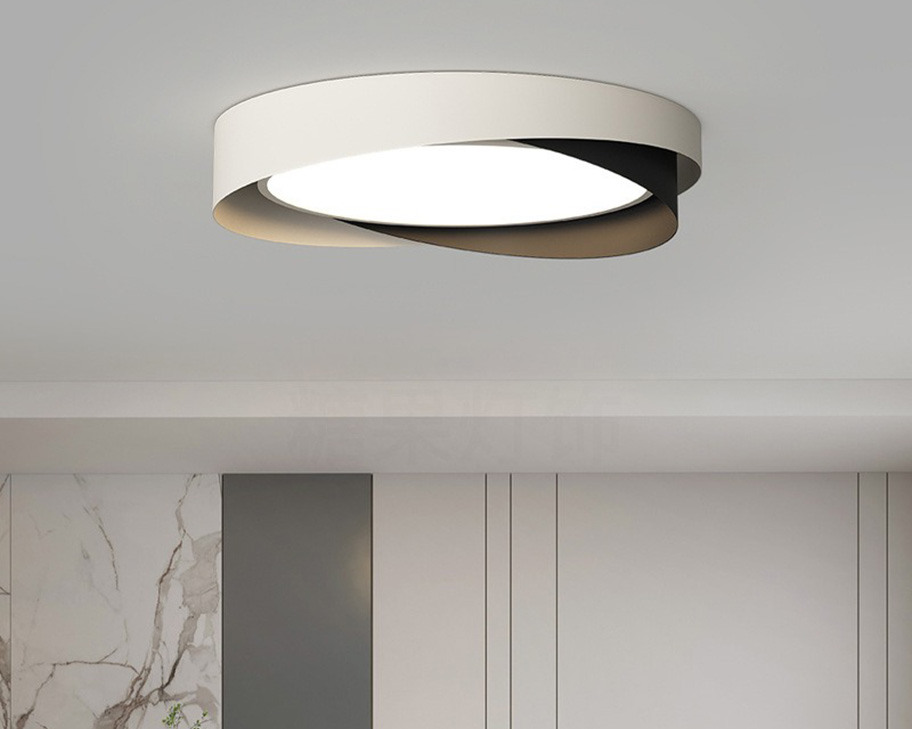
In many spaces, lighting is not just about brightness but also reliability, safety, and long-term performance. IP54 LED ceiling lights are specifically designed to withstand dust and moisture while delivering dependable illumination. The keyword set you provided highlights a broad range of IP54 variants, including emergency functions, fire-rated designs, anti-static features, and installation options. This article explores the key characteristics, applications, and considerations for choosing IP54 LED ceiling lights.
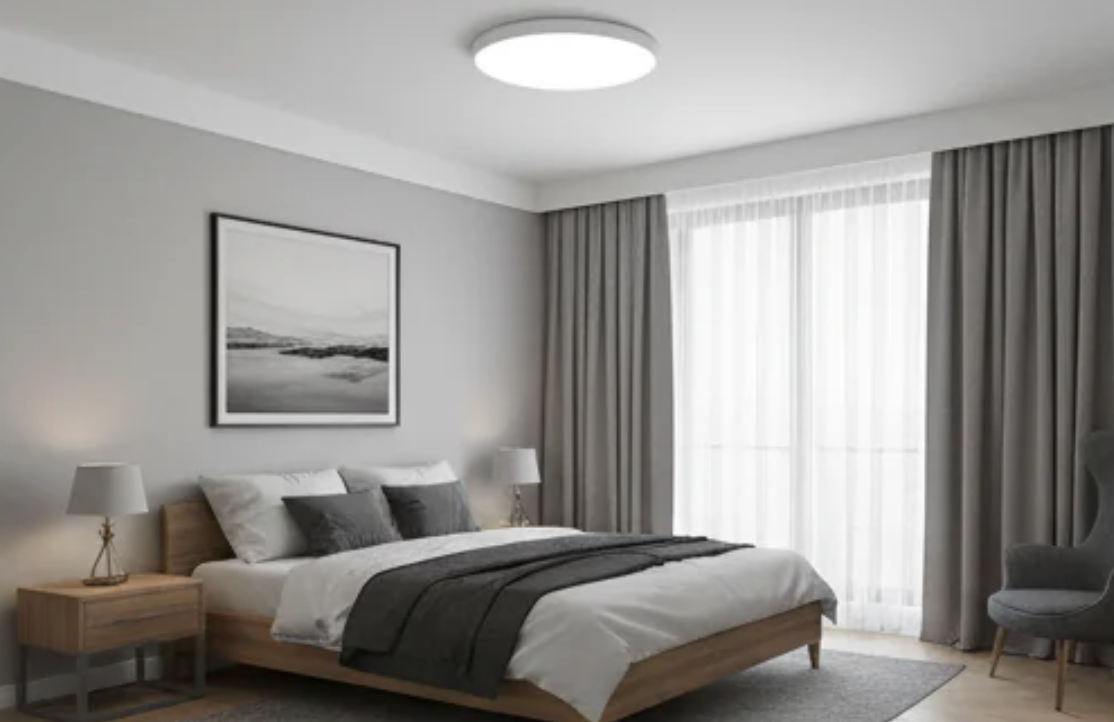
Understanding IP54 and its implications
IP54 denotes dust protection and splash resistance. The first digit (5) means the fixture is protected against dust ingress to a level that won’t interfere with operation. The second digit (4) indicates protection against water splashes from any direction.
This combination makes IP54 suitable for environments such as kitchens, corridors, utility rooms, garages, and covered outdoor areas where dust and moisture are concerns.
For safety-critical or quickly exhausted spaces, the emergency function, backup battery, and fire-rated options add extra layers of reliability and code compliance.
Emergency function and backup power
IP54 LED ceiling lights with emergency function or backup battery provide illumination during power outages. This is essential for egress in commercial buildings, hospitals, schools, and industrial facilities.
Emergency-capable fixtures can automatically switch to a battery-powered mode, ensuring safe descent and visibility when the main supply is interrupted.
When selecting, consider battery duration (15–90 minutes is common), the integration with escape routes, and whether the fixture is self-contained or part of a larger emergency lighting system.
Fire-rated and safety-conscious designs
Fire-rated IP54 fixtures are engineered to maintain integrity during a fire, helping to preserve lighting functionality when other building systems may be compromised.
Such luminaires are valuable in corridors, stairwells, and exit pathways where continuous illumination supports evacuation and safety protocols.
If you’re planning a project with strict building codes or high safety standards, fire-rated IP54 options can simplify compliance while offering robust performance.
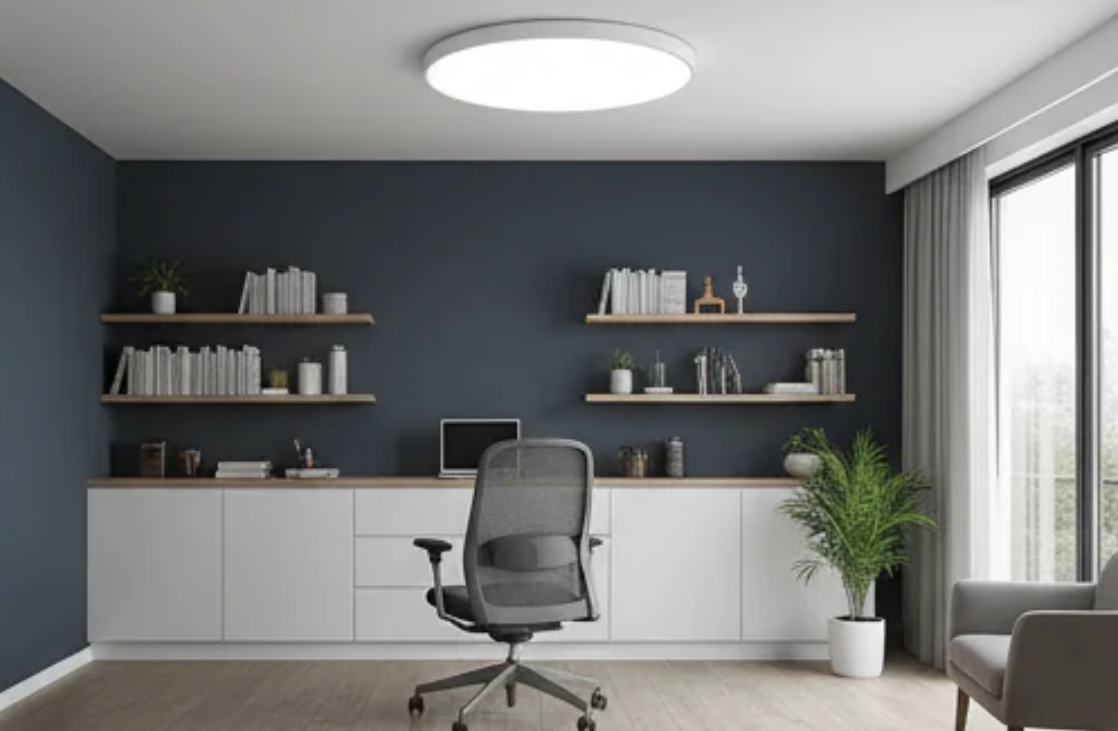
Durability: anti-static, shockproof, and noise-free
Anti-static and shockproof features reduce the risk of electrical faults and physical damage in challenging environments such as workshops, laboratories, or manufacturing floors.
Noise-free operation is particularly relevant in quiet settings like libraries, study rooms, and patient care areas where hum or buzz could be disruptive.
These attributes underscore the suitability of IP54 fixtures in environments where reliability and comfort matter.
Installation and maintenance flexibility
Easy installation, plug-and-play, and hardwired variants cover a spectrum of project needs. Plug-and-play models simplify retrofits and quick installations, while hardwired designs are common in new constructions and integrated building systems.
Some IP54 ceiling lights come with drivers, while others are driver-less. Driver-inclusive options can simplify procurement, reduce compatibility concerns, and ensure stable performance in fluctuating mains conditions.
For low voltage configurations (12V, 24V) or standard mains (230V), there are clearly options to fit different electrical architectures. When selecting, verify voltage compatibility, dimming capabilities, and any required mounting hardware.
Safety, compliance, and environmental considerations
CE certification, RoHS compliance, and UL listing are important indicators of quality, safety, and regulatory alignment. These marks reassure buyers that fixtures meet international standards for electrical safety, hazardous substances, and performance.
If sustainability is a priority, LED efficiency combined with RoHS compliance minimizes environmental impact and operating costs over the fixture’s lifespan.
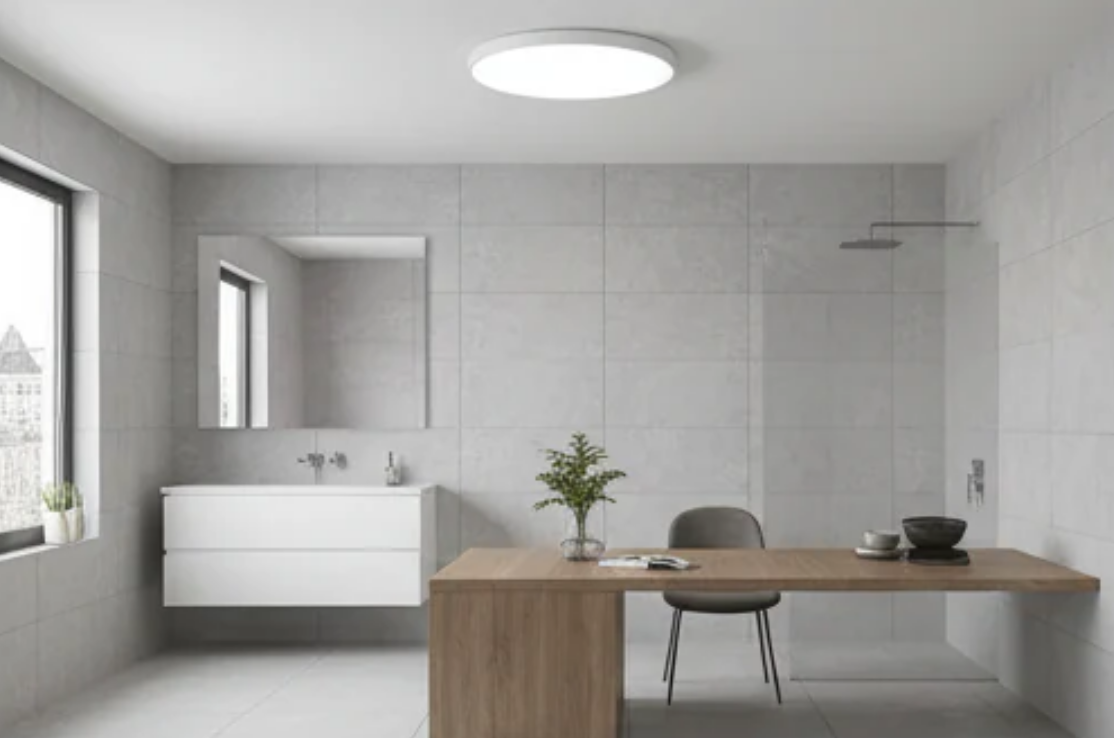
Applications across spaces
Commercial settings: emergency function IP54 fixtures ensure safety compliance in corridors and stairwells; fire-rated options add an extra layer of protection in larger facilities.
Industrial environments: anti-static, shockproof, and noise-free variants stand up to demanding conditions while keeping noise to a minimum.
Residential use: IP54 ceiling lights offer durable solutions for kitchens, garages, basements, and laundry rooms, where moisture and dust exposure are common.
Healthcare and education: reliable lighting with emergency and backup features supports safety and uptime in essential spaces.
Choosing the right IP54 LED ceiling light
Define the primary need: emergency lighting, fire-rated protection, or standard IP54 durability.
Consider installation type: plug-and-play for quick upgrades or hardwired for permanent installations.
Check voltage compatibility: 12V, 24V, or 230V options to match your electrical system.
Review certifications: CE, RoHS, UL for safety and compliance.
Assess additional features: dimming, color temperature options, and integration with building management systems.
IP54 LED ceiling lights offer a versatile, durable, and safety-focused lighting solution for a wide range of environments. Whether you prioritize emergency performance, fire-rated protection, or robust durability in dusty or wet areas, there is an IP54 option designed to meet your needs. If you share your space type, installation constraints, and local safety requirements, I can help pinpoint the top three fits and craft a practical lighting plan.