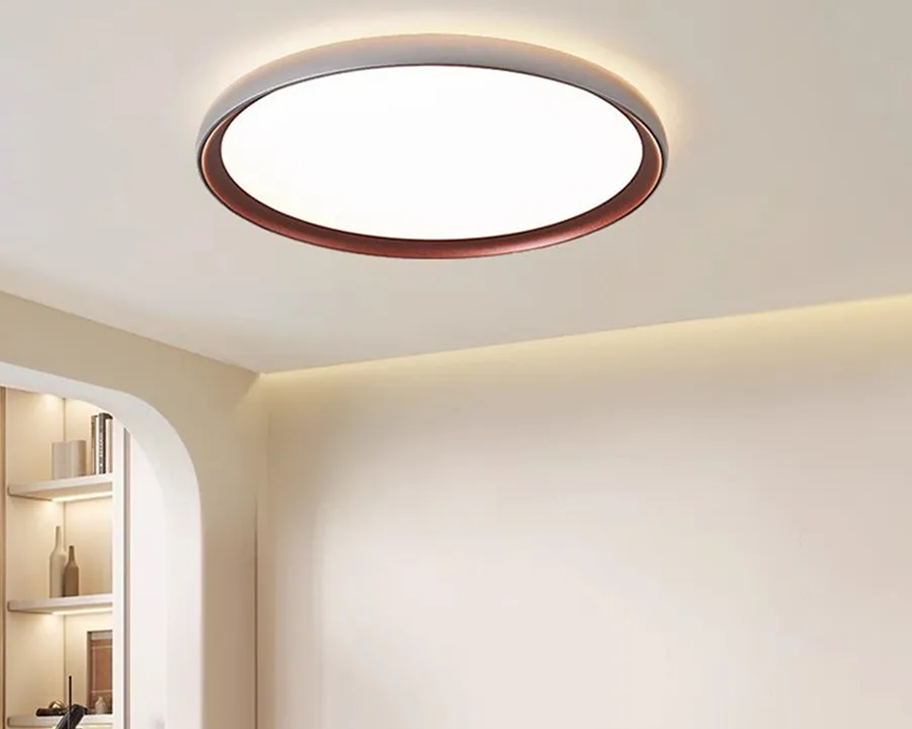
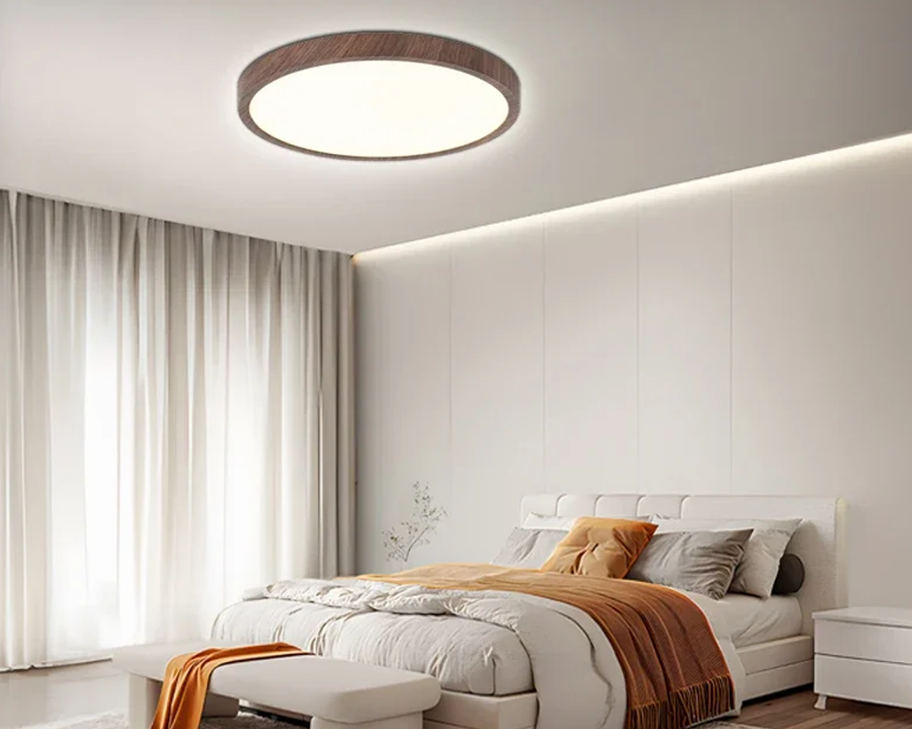
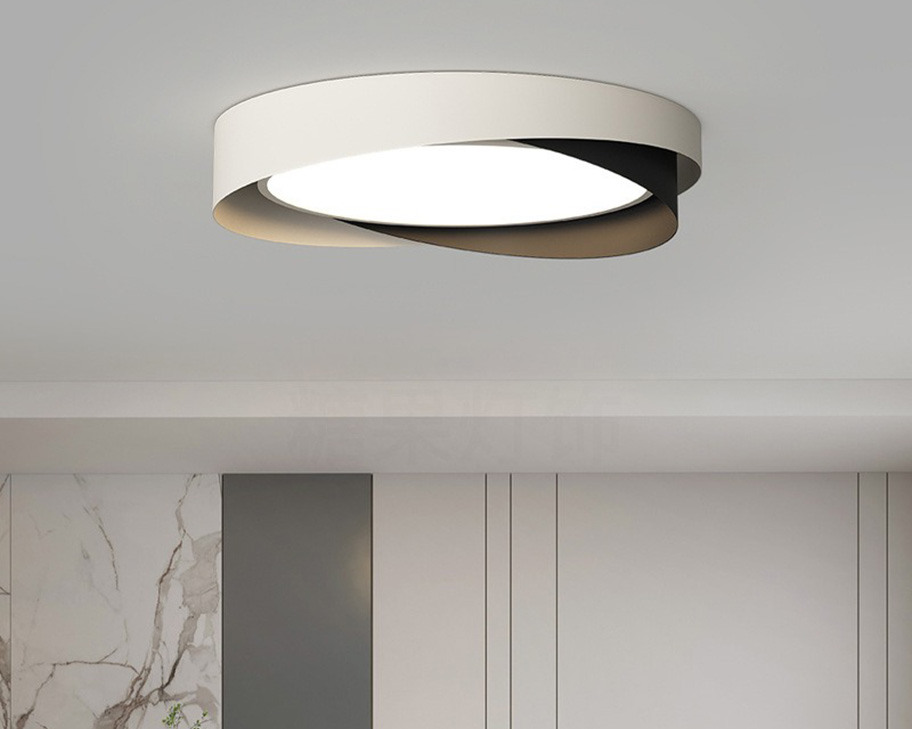
The bathroom lighting market demands products that combine safety, durability, and aesthetic appeal in one of the home’s most challenging environments. IP44-rated LED fixtures—ranging from simple ceiling lamps to sophisticated sensor-equipped units—require meticulous factory execution and supply chain coordination.
Manufacturing architecture and product platform strategy
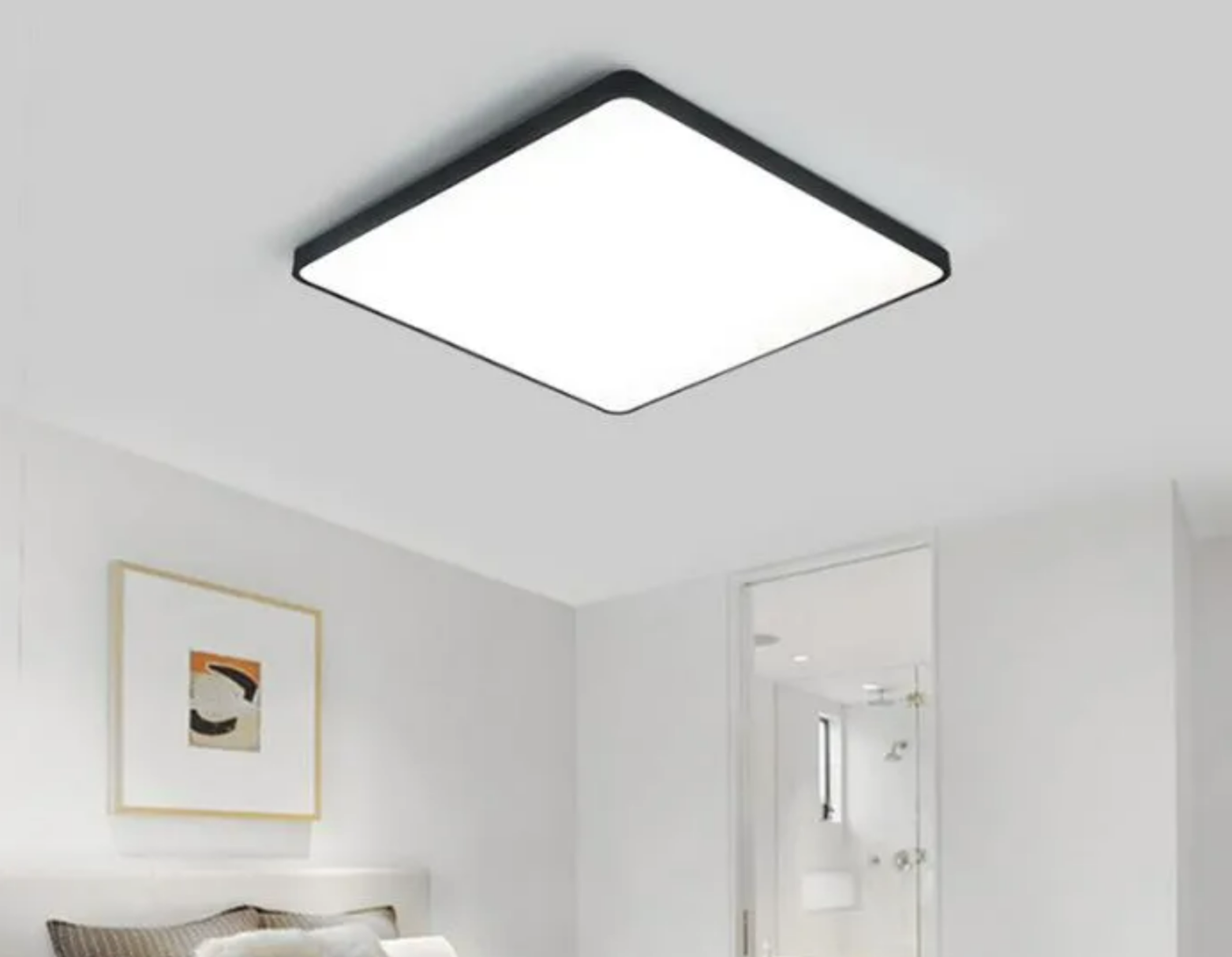
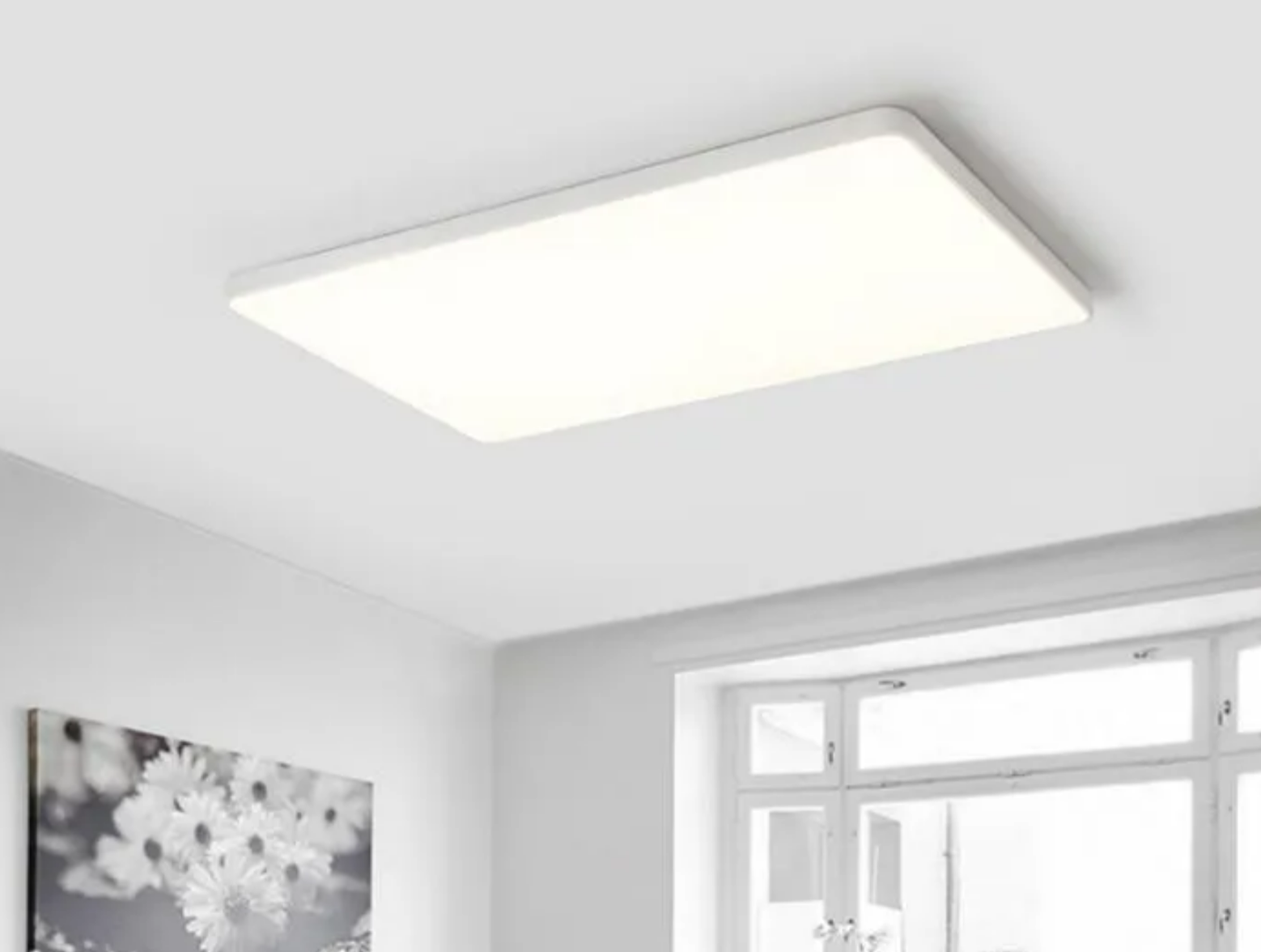
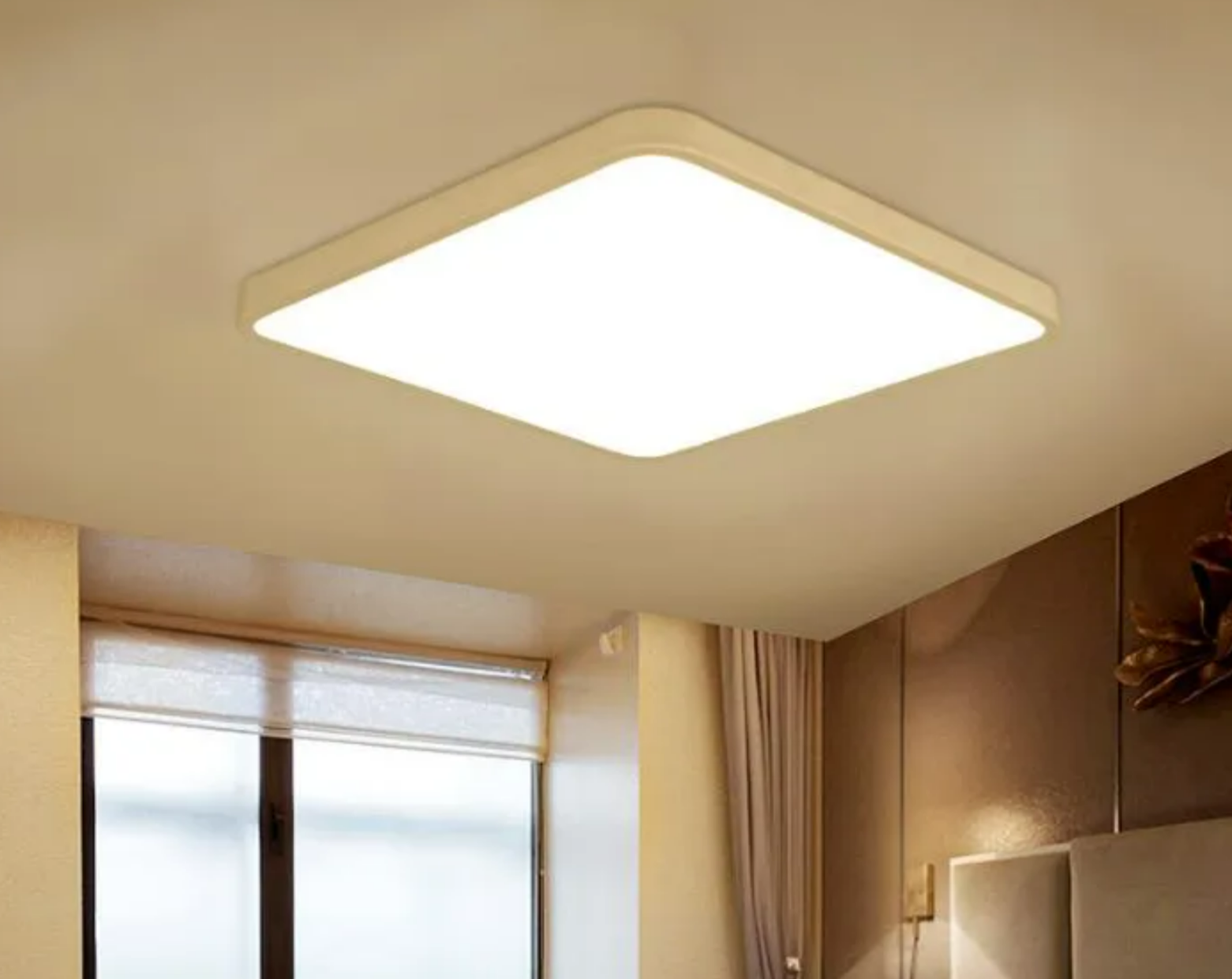
A successful factory operation begins with a modular product architecture that maximizes component reuse while accommodating design variety. For the 30 SKUs spanning this bathroom range, manufacturers typically employ a platform-based approach: a standardized IP44 enclosure, driver module, and thermal management system serve as the foundation for multiple form factors (round, square, slim, semi-flush). This strategy reduces tooling costs, shortens changeover times, and improves production efficiency.
The factory organizes workflows into distinct phases: component prep, LED module assembly, driver integration, housing assembly with gasket sealing, final integration (including sensors or emergency modules where applicable), testing, and packaging. By standardizing core assembly sequences, factories minimize setup losses and maximize throughput, even when producing multiple variants on the same line.
Component sourcing and supplier ecosystem
LED packages and optics: High-reliability, temperature-stable LED chips (typically from Tier-1 suppliers) are critical for maintaining color consistency across warm white (3000K), neutral white (4000K), and cool white variants. Optical materials (diffusers, reflectors) must resist moisture and UV degradation.
Drivers and power electronics: Dimmable and non-dimmable drivers require careful sourcing; dimmable units demand compatibility with leading-edge and trailing-edge dimmer circuits to ensure broad installation flexibility. For 12W and 18W variants, driver efficiency directly impacts thermal management and product longevity.
Sensor and emergency modules: Motion sensors require calibration and firmware validation; emergency battery packs demand cycle-testing to confirm reliability over the product’s lifespan.
Quality control and testing regimen
IP44 compliance mandates rigorous in-process and end-of-line testing:
Moisture ingress testing: Each batch undergoes IP44 spray testing (400 mL/min from six directions) and immersion cycles to verify gasket integrity and enclosure robustness.
Electrical safety: Dielectric breakdown, leakage current, and thermal stability are measured per IEC standards. For bathroom products, extra margins are maintained to account for long-term moisture exposure.
Photometric validation: Lumen output, color temperature stability, and color rendering index (CRI) are verified across production runs to ensure consistency.
Thermal cycling: Temperature shock tests (e.g., -10°C to +60°C) simulate bathroom humidity swings and validate seal durability and driver performance.
Sensor accuracy: Motion sensor units are tested for detection range, sensitivity, and false-trigger rates under varied humidity conditions.
Production planning and demand forecasting
Channel intelligence: Distributor and retailer orders for ceiling lamps, shower lights, recessed fixtures, and vanity lights reveal seasonal patterns (renovation peaks, new construction cycles).
Product mix signals: Demand ratios between dimmable and non-dimmable, sensor-equipped vs. standard variants, and color temperature preferences guide production allocation.
Safety stock positioning: Fast-moving SKUs (basic ceiling lamps, 12W and 18W non-dimmable fixtures) warrant higher buffer stocks, while specialty items (anti-fog variants, emergency units) follow lean pull signals.
Inventory and logistics optimization
Warehouse management: Factory inventory is organized by component type (LED modules, drivers, housings, sensors) and by SKU family to enable efficient picking and kitting.
Packaging strategy: Moisture-resistant packaging with clear labeling of IP rating, wattage, color temperature, and dimmability reduces return rates and accelerates installation.
Distribution hubs: Regional warehouses near major markets (Europe, North America, Asia-Pacific) shorten lead times and support retailer replenishment cycles.
Regulatory compliance and sustainability
Certifications: Factories maintain CE, UL, and wet-room approvals; compliance documentation and traceability systems ensure swift market access.
Environmental stewardship: LED efficiency, material recyclability, and supplier audits for ethical sourcing align with modern sustainability expectations.
Continuous improvement: Regular root-cause analysis of defects, supplier performance reviews, and process refinement drive cost reduction and reliability gains over time.
Modern IP44 LED bathroom lighting production succeeds through platform standardization, rigorous quality protocols, strategic supplier partnerships, and intelligent logistics. By integrating these elements, factories deliver safe, durable, and aesthetically diverse bathroom fixtures that meet customer expectations while maintaining competitive margins.