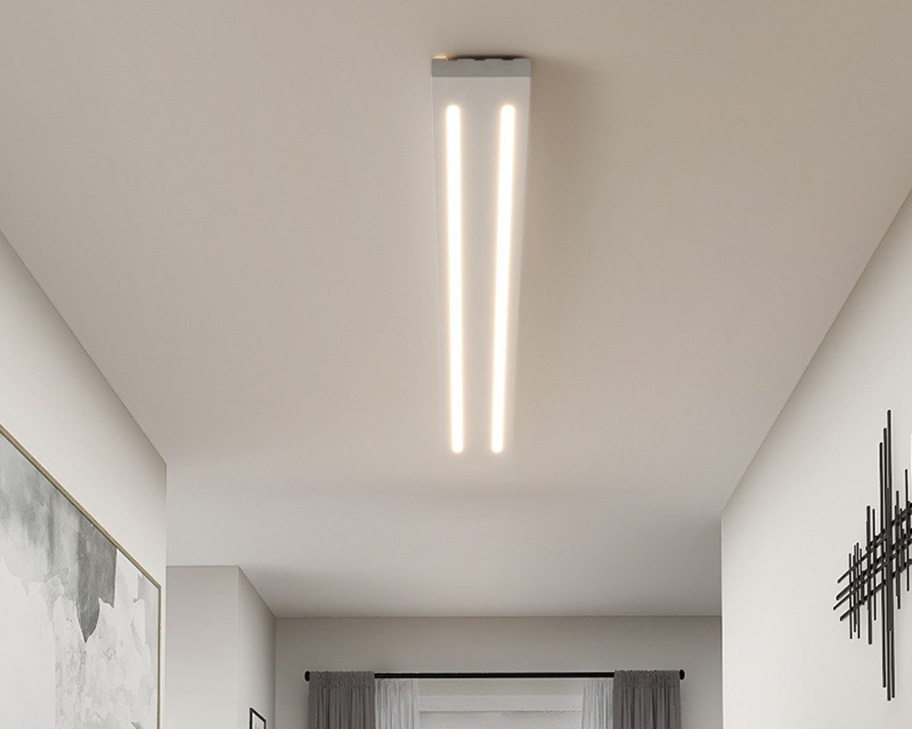
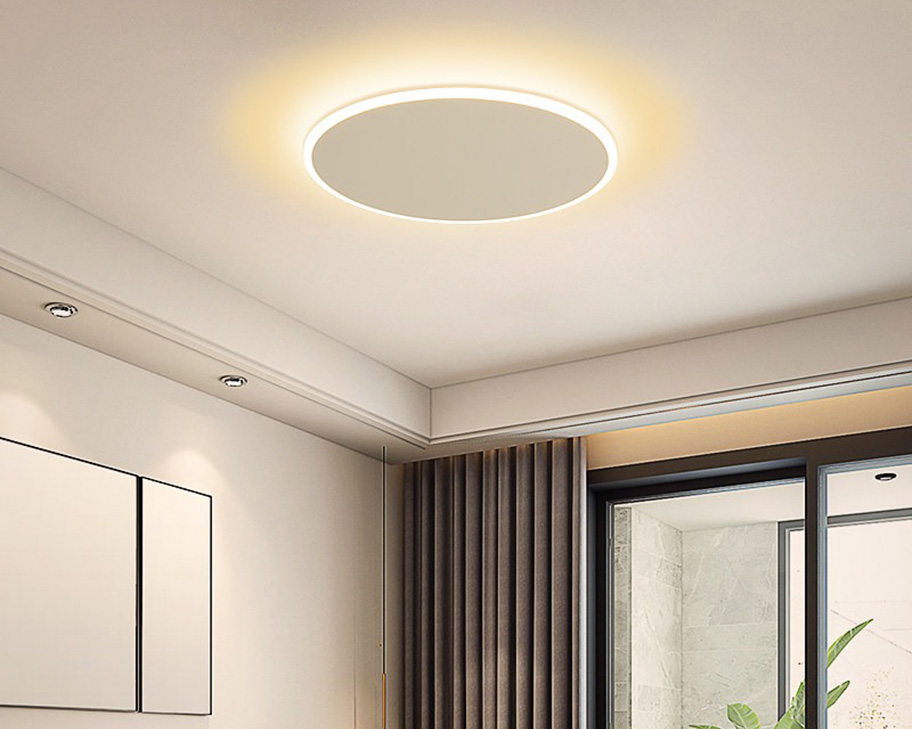
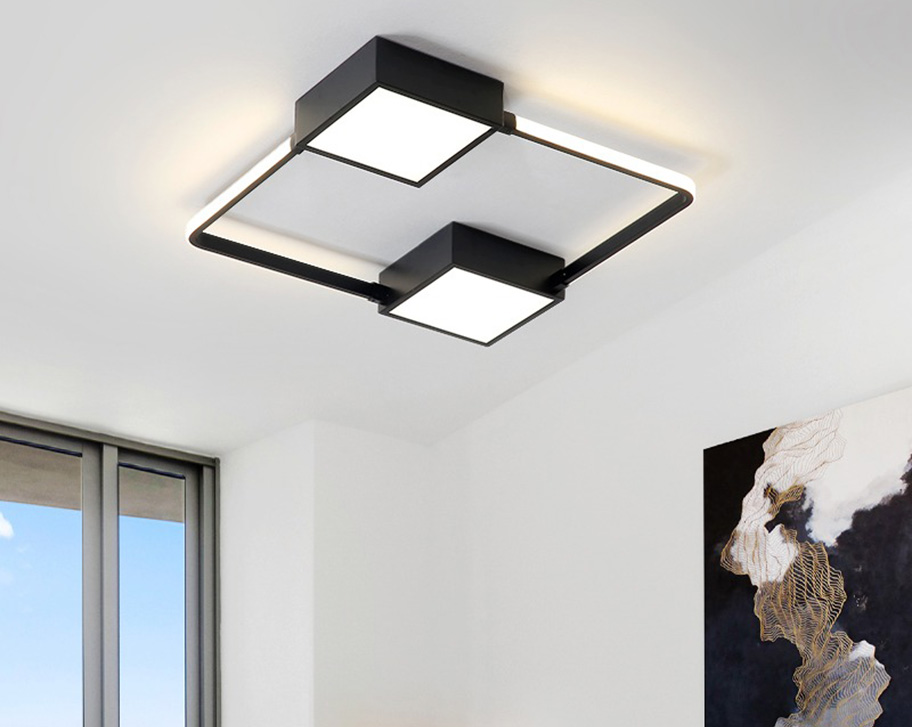
The year 2026 marks a pivotal moment in architectural lighting, where the rigid distinction between “industrial-grade” and “residential-aesthetic” has completely dissolved. At the heart of this revolution is the IP65 rating—a certification guaranteeing total dust protection and resistance to low-pressure water jets. Once confined to factories and outdoor canopies, IP65 LED technology has now permeated every room of the modern home and commercial space, offering a unique blend of durability, hygiene, and design flexibility. This shift allows architects and homeowners to select fixtures based purely on style and function, without compromising on longevity or safety.
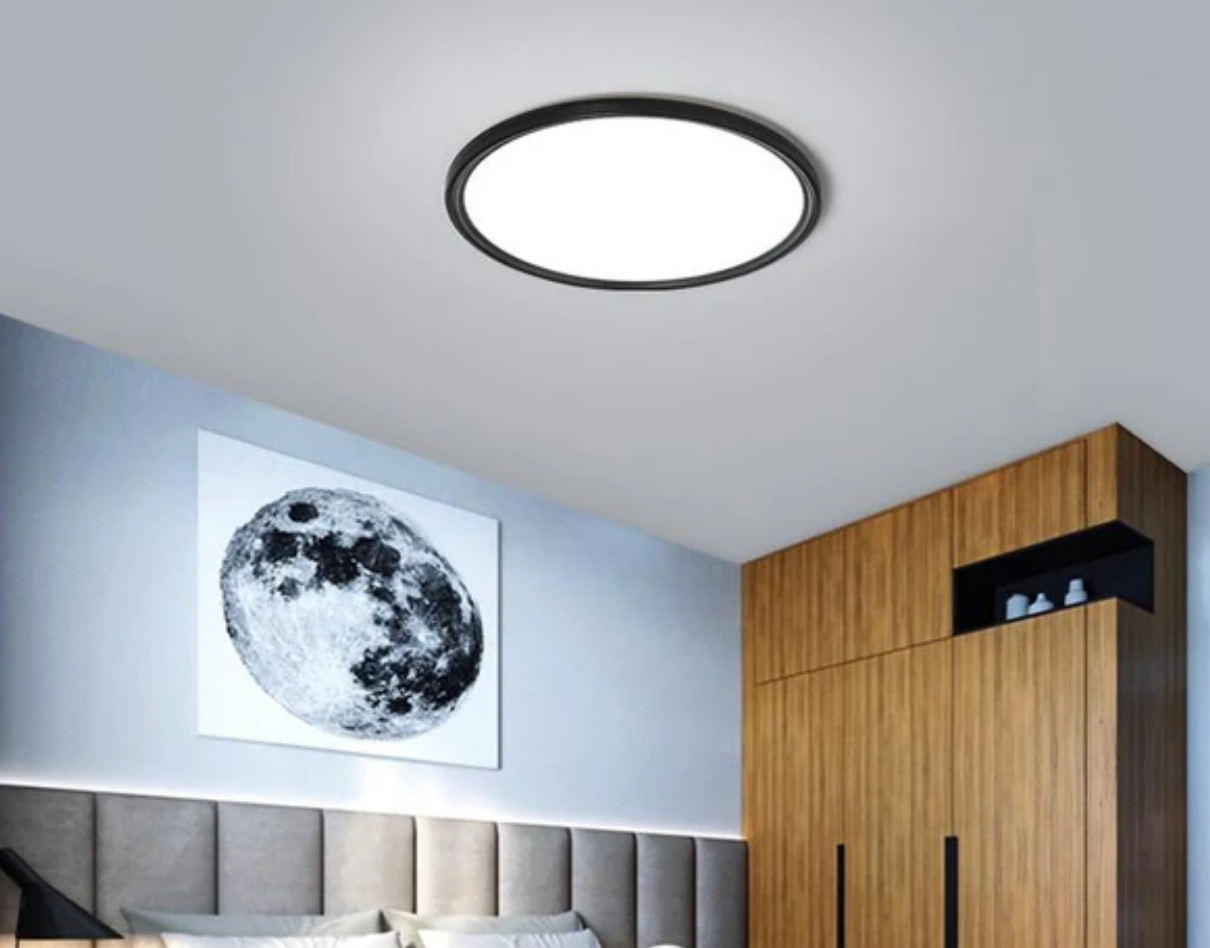
Nowhere is the impact of IP65 lighting more profound than in wet zones. In the modern ensuite bathroom, homeowners are increasingly choosing sleek, fog-resistant LEDs that withstand high humidity without corroding. Similarly, the minimalist main bathroom benefits from clean-lined IP65 fixtures that simplify cleaning routines while ensuring electrical safety near showers. This trend extends seamlessly into the culinary heart of the home. The modern kitchen and even specific task areas like the minimalist kitchen counter now utilize IP65-rated downlights and strips. These fixtures resist grease splatter and steam, making them ideal for the intense environment of contemporary cooking spaces where hygiene is paramount.
Beyond wet areas, the durability of IP65 lighting offers unexpected advantages in living quarters. In small hallways, industrial-style IP65 lights provide robust illumination that withstands the wear and tear of high-traffic zones. For larger gatherings, the traditional large living room and contemporary small dining room are seeing a surge in IP65 adoption, not for water resistance, but for their dust-proof qualities which maintain brightness over decades. The aesthetic range is staggering: a vintage large bedroom can be warmed by an IP65 filament-style LED that mimics antique bulbs but lasts significantly longer, while a Scandinavian kids bedroom utilizes safe, cool-to-touch IP65 fixtures that parents know can survive accidental spills or rough play. Even unique spaces like an indoor conservatory benefit from rustic IP65 designs that handle the fluctuating humidity and temperature of glass-enclosed rooms.
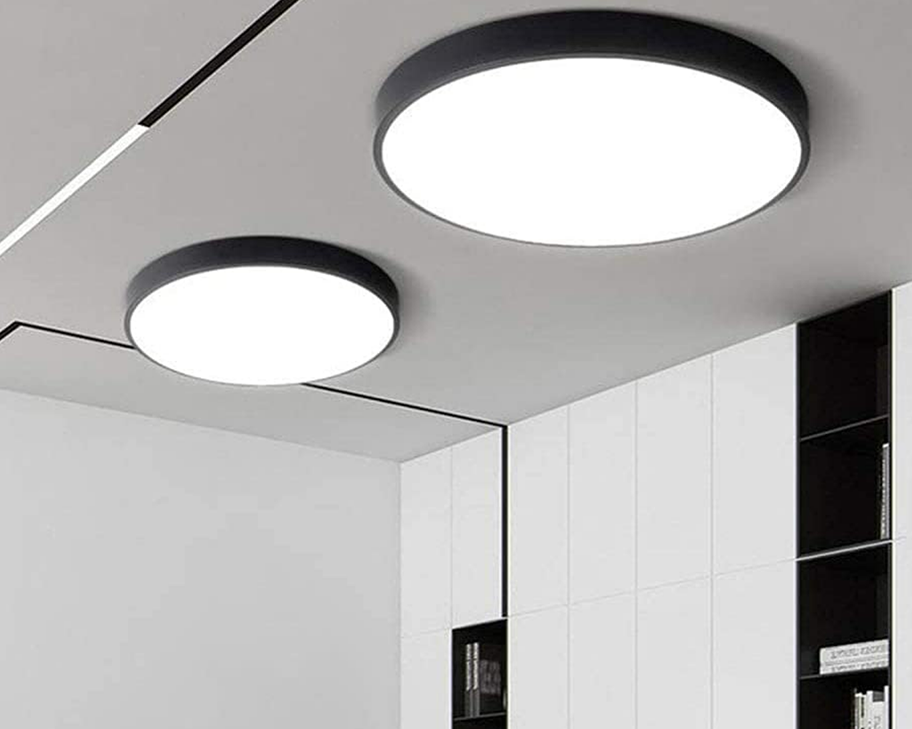
The commercial sector has fully embraced this versatility. The elegant hotel lobby now features grand IP65 chandeliers that remain pristine despite constant foot traffic and cleaning crews. Sleek retail shops utilize these lights to ensure merchandise is always illuminated perfectly, free from the dimming effects of dust accumulation. For utility spaces, the industrial garage remains a natural fit, yet the designs have evolved from bare tubes to stylish, high-output panels. Perhaps most innovatively, the coastal outdoor porch utilizes IP65 fixtures specifically engineered to resist salt spray, bridging the gap between indoor comfort and outdoor exposure. Finally, the rise of remote work has seen the simple home office adopt these reliable lights, ensuring a distraction-free, consistently bright environment for productivity.
The proliferation of IP65 LED ceiling lights across such diverse environments—from the kitchen counter to the hotel lobby—signifies a mature market where performance and aesthetics coexist. By offering a universal solution that addresses moisture, dust, and maintenance concerns without sacrificing design integrity, IP65 lighting has become the silent backbone of modern interior design. Whether defining the mood of a kids bedroom or securing the safety of a garage, these fixtures prove that true innovation lies in adaptability, illuminating every corner of our lives with unwavering reliability.