LED downlights have become a popular choice for modern interior lighting thanks to their energy efficiency, long life, and sleek appearance. Whether you are renovating a home, upgrading office lighting, or planning new construction, understanding the different types and features of LED downlights helps you make better decisions.
Types and Mounting Styles
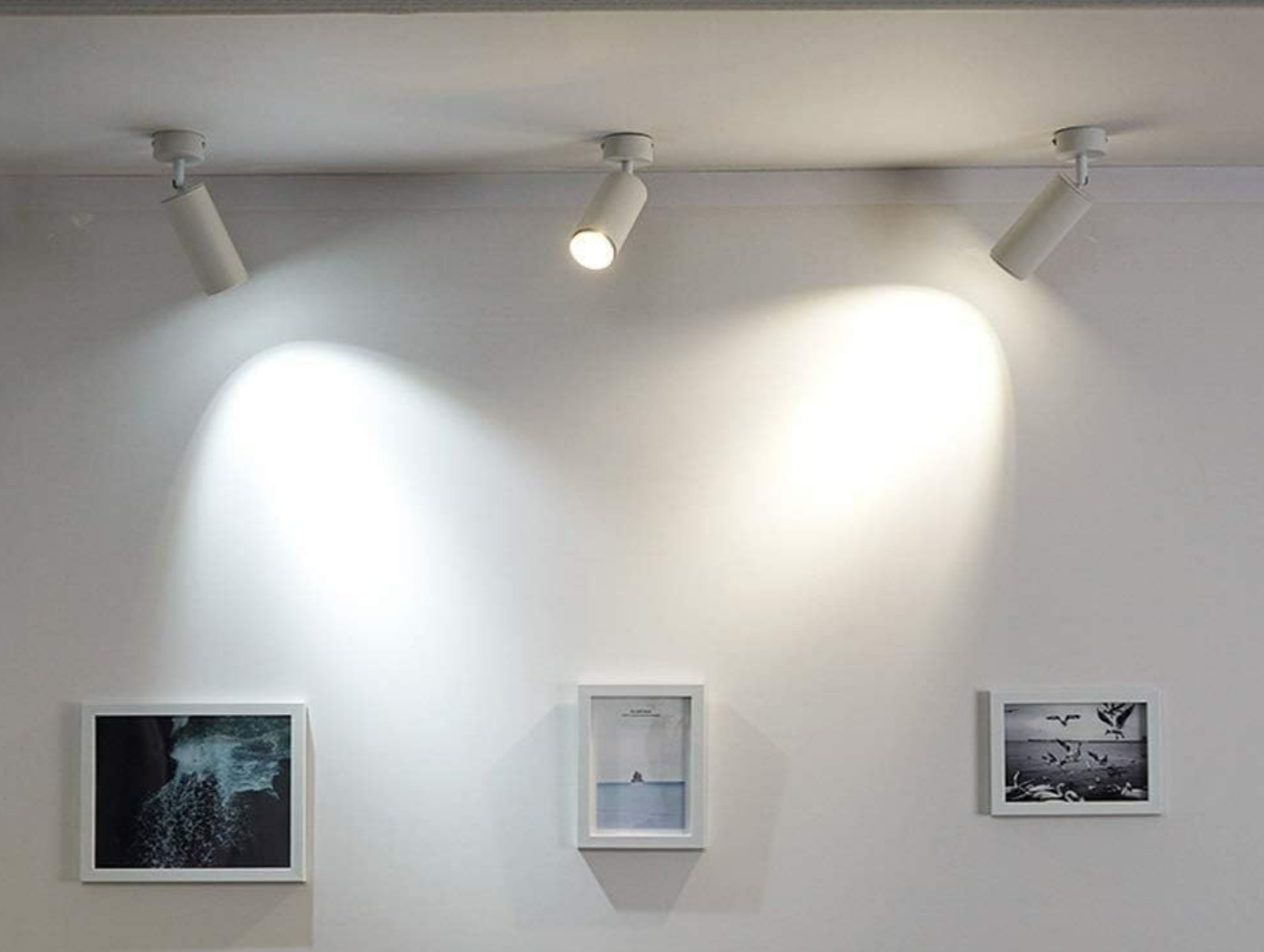
LED downlights come in several mounting and design styles to suit different ceilings and aesthetics. Fixed LED downlights are the simplest type: the lamp body is stationary and provides a consistent beam direction, ideal for general ambient lighting. Eyeball or adjustable LED downlights allow the light head to tilt, enabling directional lighting for accenting artwork, shelving, or architectural features.
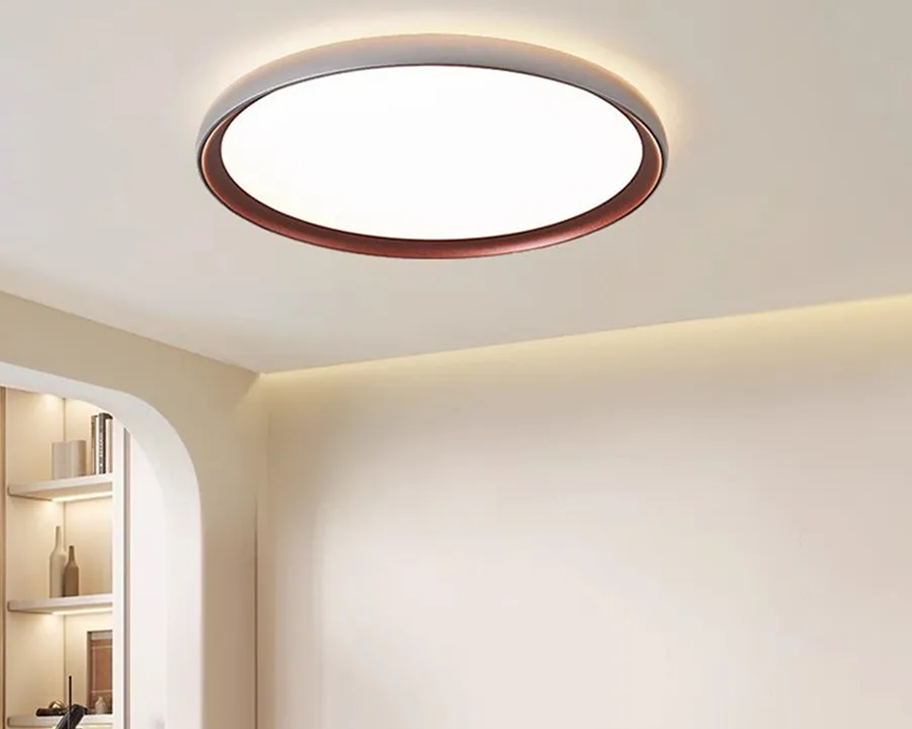
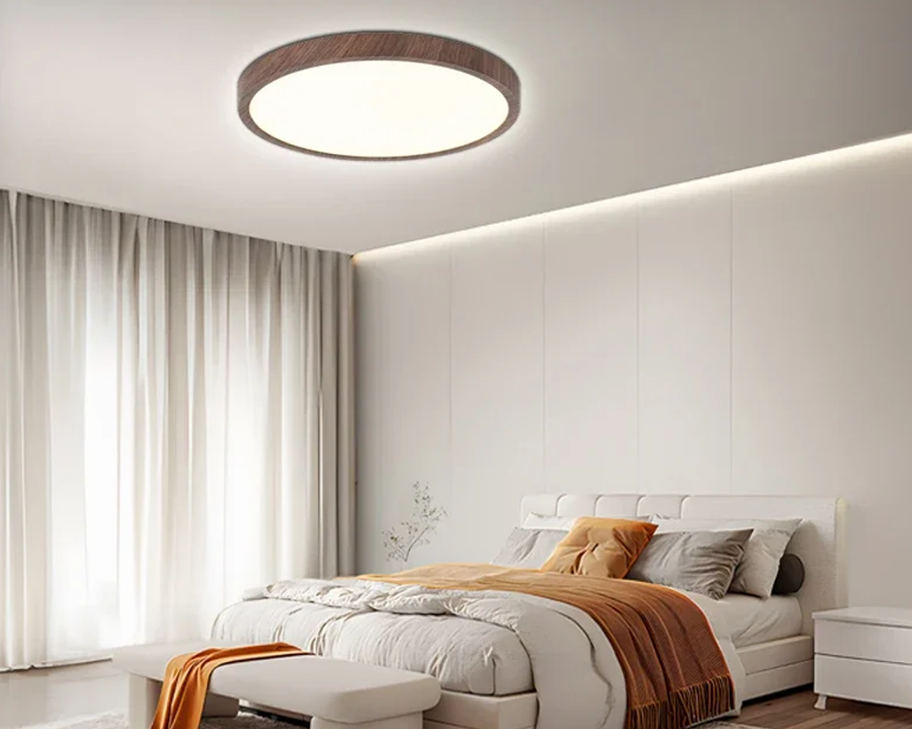
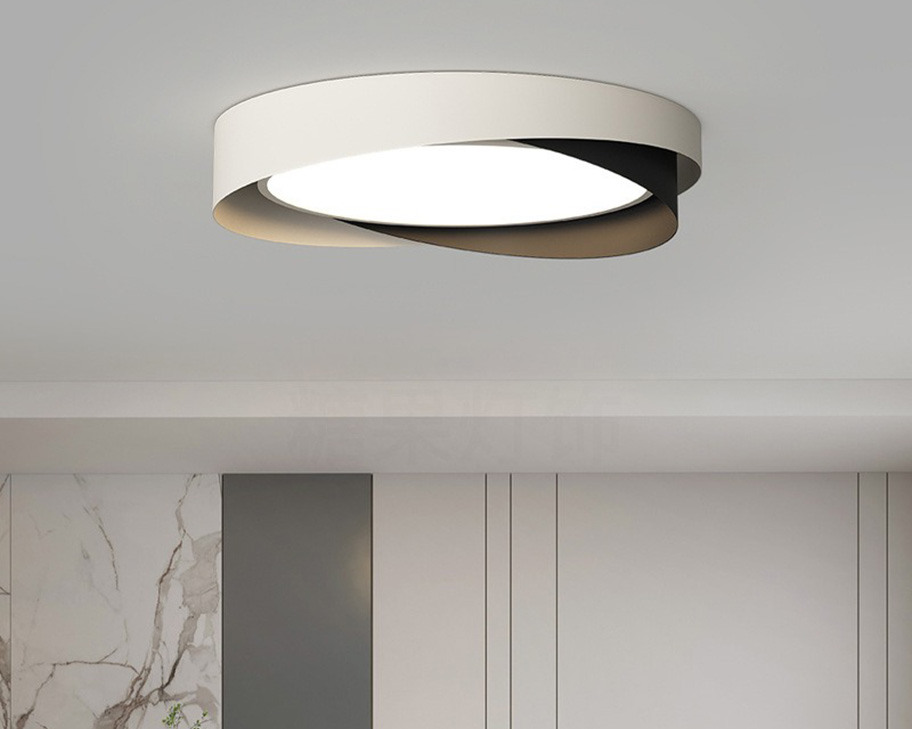
Flat LED downlights (also called slim or ultra-thin) have a low profile and are suited to shallow ceilings or where a minimal look is desired. These fixtures often integrate the driver into a very compact housing, producing a clean, modern finish.
Fitting Types and Installation
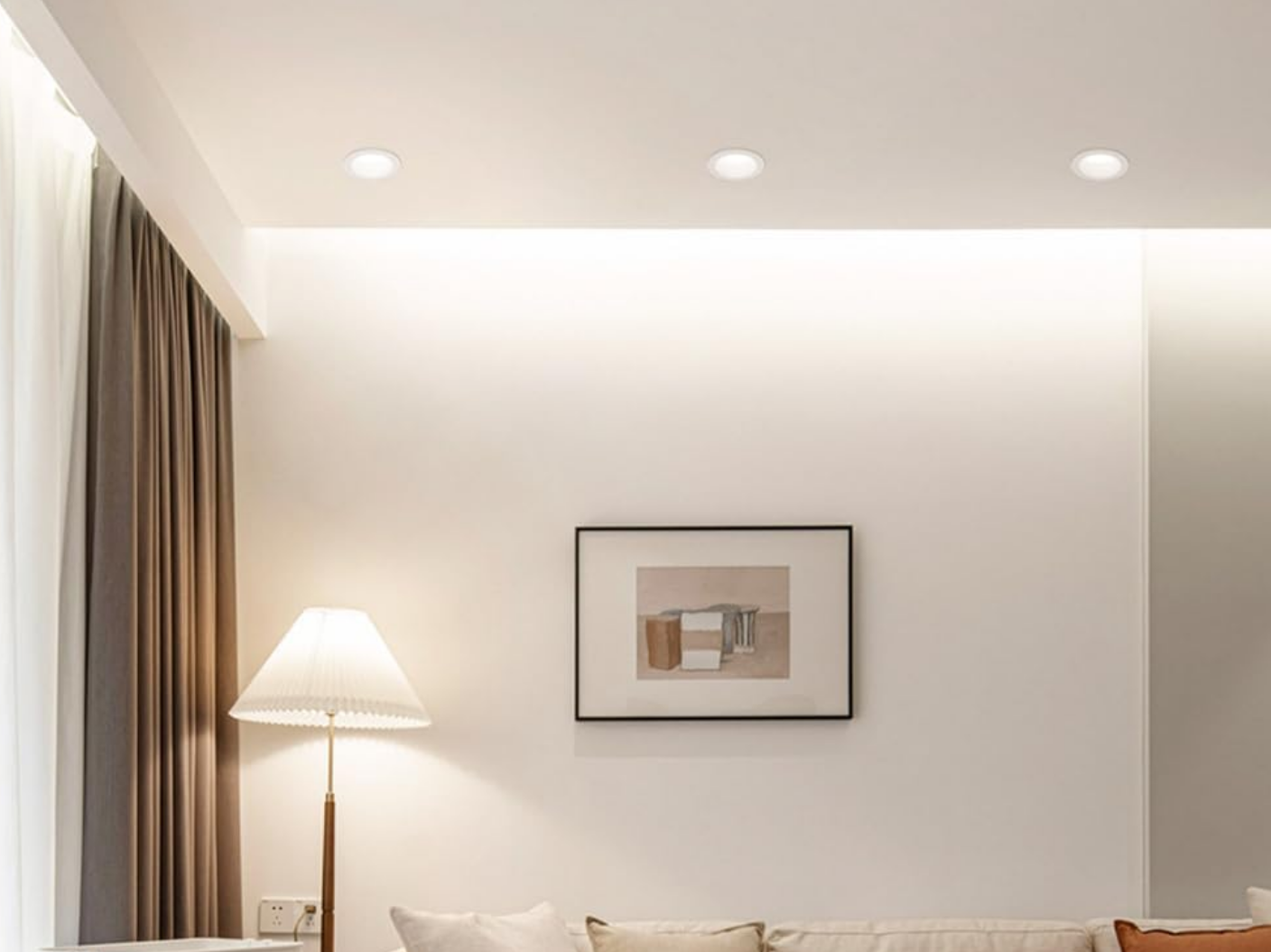
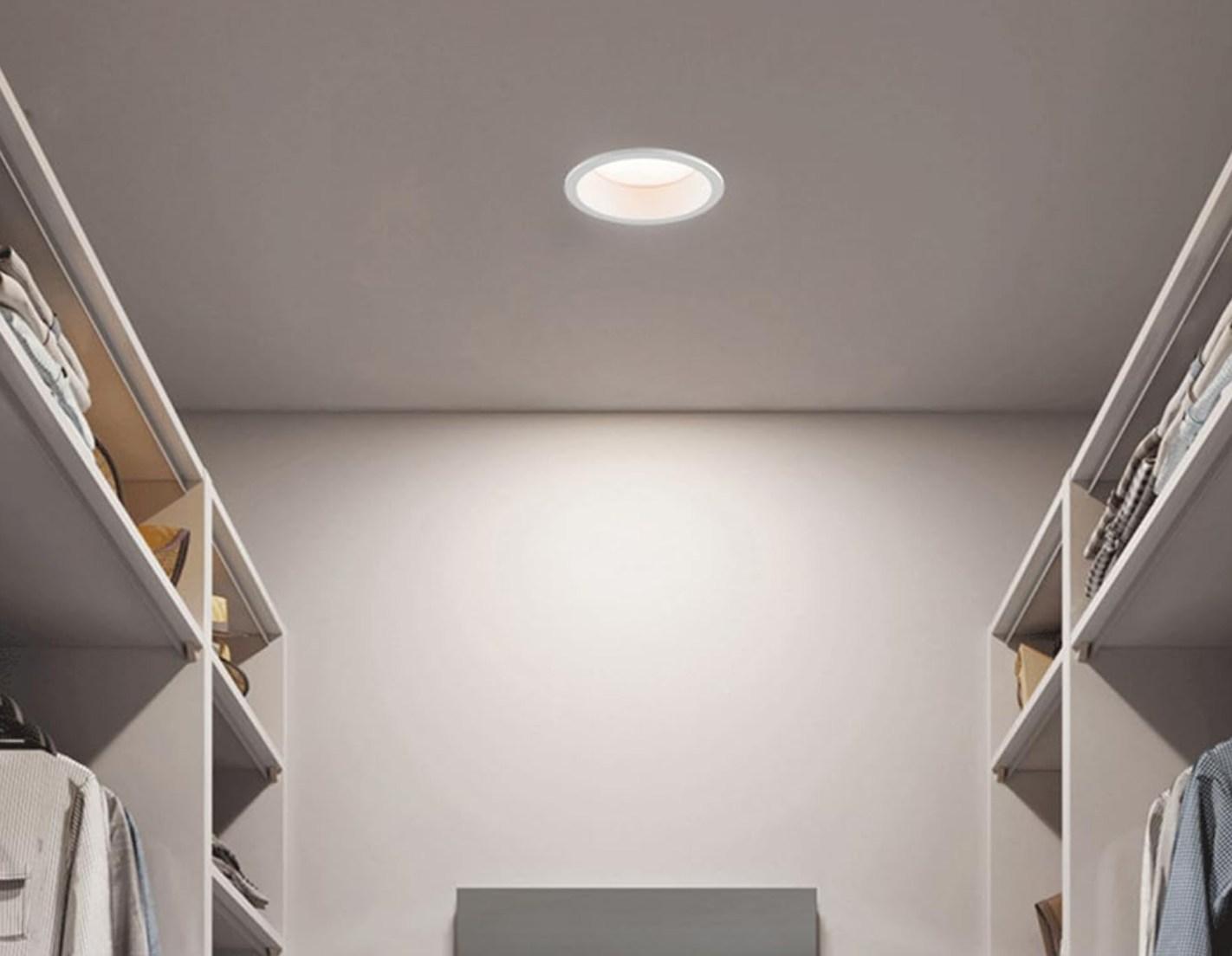
Downlight fittings vary depending on ceiling type and installation needs. Recessed downlights are installed into ceiling cavities with a trim that sits flush or slightly proud of the ceiling plane. Surface-mounted downlights are used where recessing is not possible. Extension plates or canopy plates can adapt lights to different ceiling thicknesses or conceal irregular cutouts; an LED downlight extension plate helps ensure a neat finish when the ceiling depth is greater than the fixture’s standard mounting range.
Many downlights are designed with spring clips or torsion springs for quick recessed installation, while others require a mounting bracket or compatible housing. Choosing the correct fitting type reduces installation time and ensures a stable, secure fixture.
Emergency LED Downlights
Emergency LED downlights incorporate a battery backup and internal circuitry that automatically switches the light to emergency mode during power failures. Emergency LED downlight fixtures are essential in corridors, stairwells, and public spaces where safe egress during an outage is required. These models typically provide several hours of illumination at a reduced output to conserve battery life while meeting safety regulations.
When specifying emergency downlights, check compliance with local building and safety codes, battery capacity, automatic test features, and whether the emergency unit is integral or a separate add-on module. Integral emergency versions are compact and tidy, whereas add-on modules can retrofit existing downlights.
Safety Features: Fire Hoods and Ratings
Fire safety is critical for ceiling-installed luminaires. A downlight fire hood (or fire collar/insulation cover) protects ceiling cavities and helps maintain the integrity of fire-rated ceilings. Certain LED downlights are tested with compatible fire hoods to meet required fire performance standards. If installing into fire-rated ceilings, always select fixtures and accessories with the correct certification to avoid compromising building safety.
Performance Considerations
Key performance factors include color temperature (warm to cool white), Color Rendering Index (CRI), lumen output, beam angle, and dimmability. High-CRI LED downlights (CRI 90+) render colors more naturally and are preferred for retail, hospitality, and residential settings. Beam angle selection—narrow for accent lighting, wide for general lighting—affects how light spreads and how many fixtures are needed.
Durability and Driver Quality
Choose fixtures with quality LED drivers and thermal management. Poor driver design shortens lifespan and can cause flicker. Look for products with a meaningful warranty, low total harmonic distortion, and driver options that match your control system.
LED downlights offer versatile solutions for both functional and decorative lighting. From fixed and eyeball adjustable models to slim flat designs, and from standard fixtures to emergency-certified units and fire-safe installations, selecting the right LED downlight depends on ceiling type, required performance, safety standards, and aesthetic goals. By considering fitting types, emergency options, fire hood compatibility, and driver quality, you can ensure a reliable, attractive lighting scheme that meets both everyday needs and safety requirements.