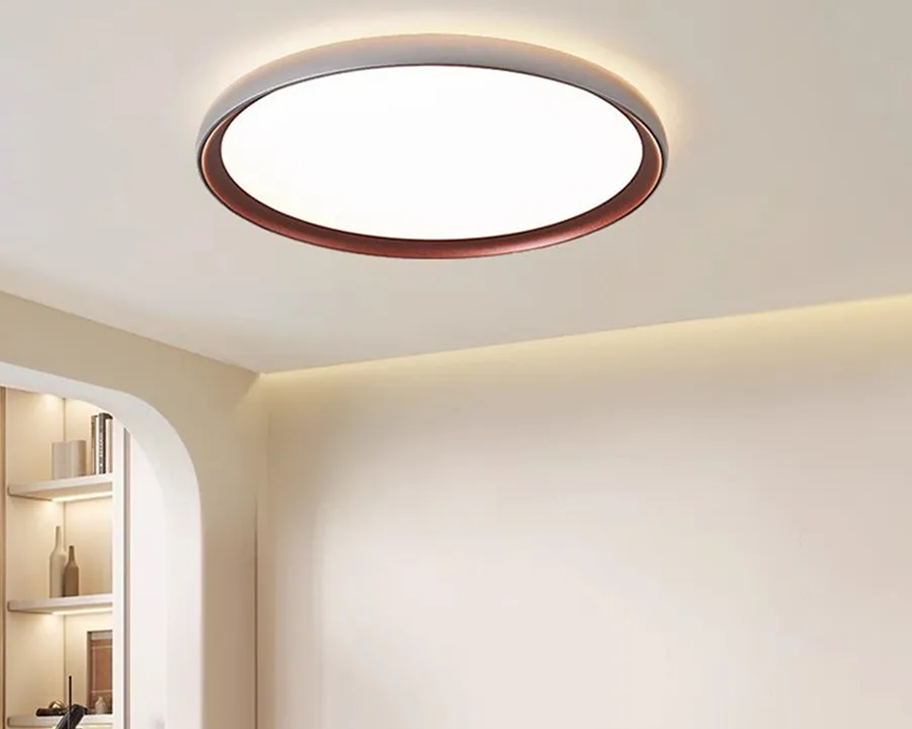
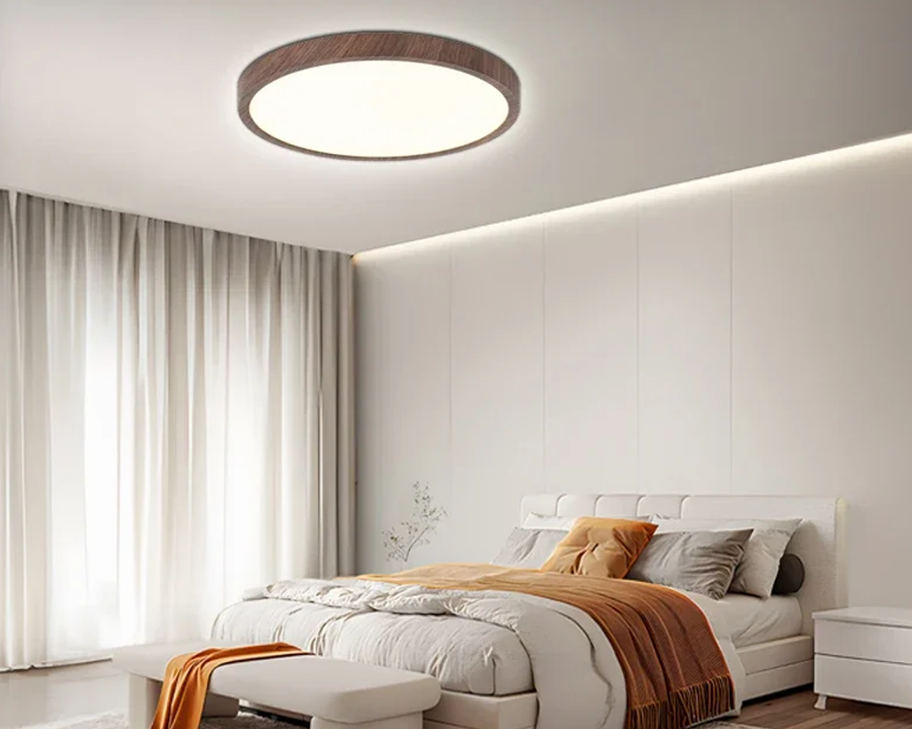
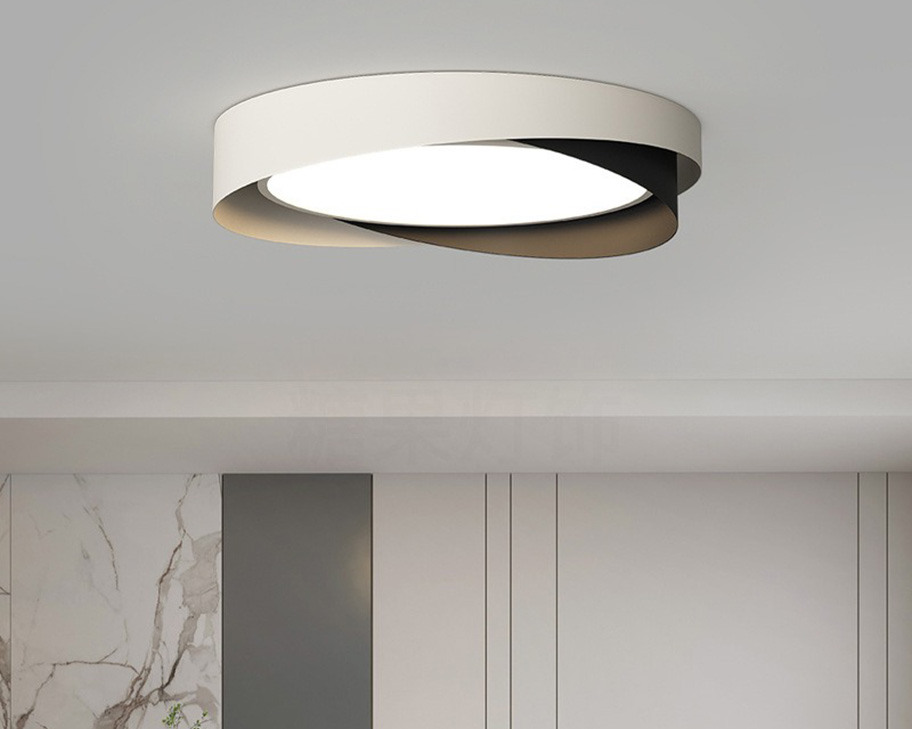
LED downlight ceilings have become the go-to choice for modern homes and commercial spaces. They combine energy efficiency, sleek aesthetics, and flexible lighting options. Whether you’re updating a bathroom, renovating a living room, or fitting emergency lighting in a hallway, understanding the different LED downlight types and features will help you choose the best solution.
Why choose LED downlights?
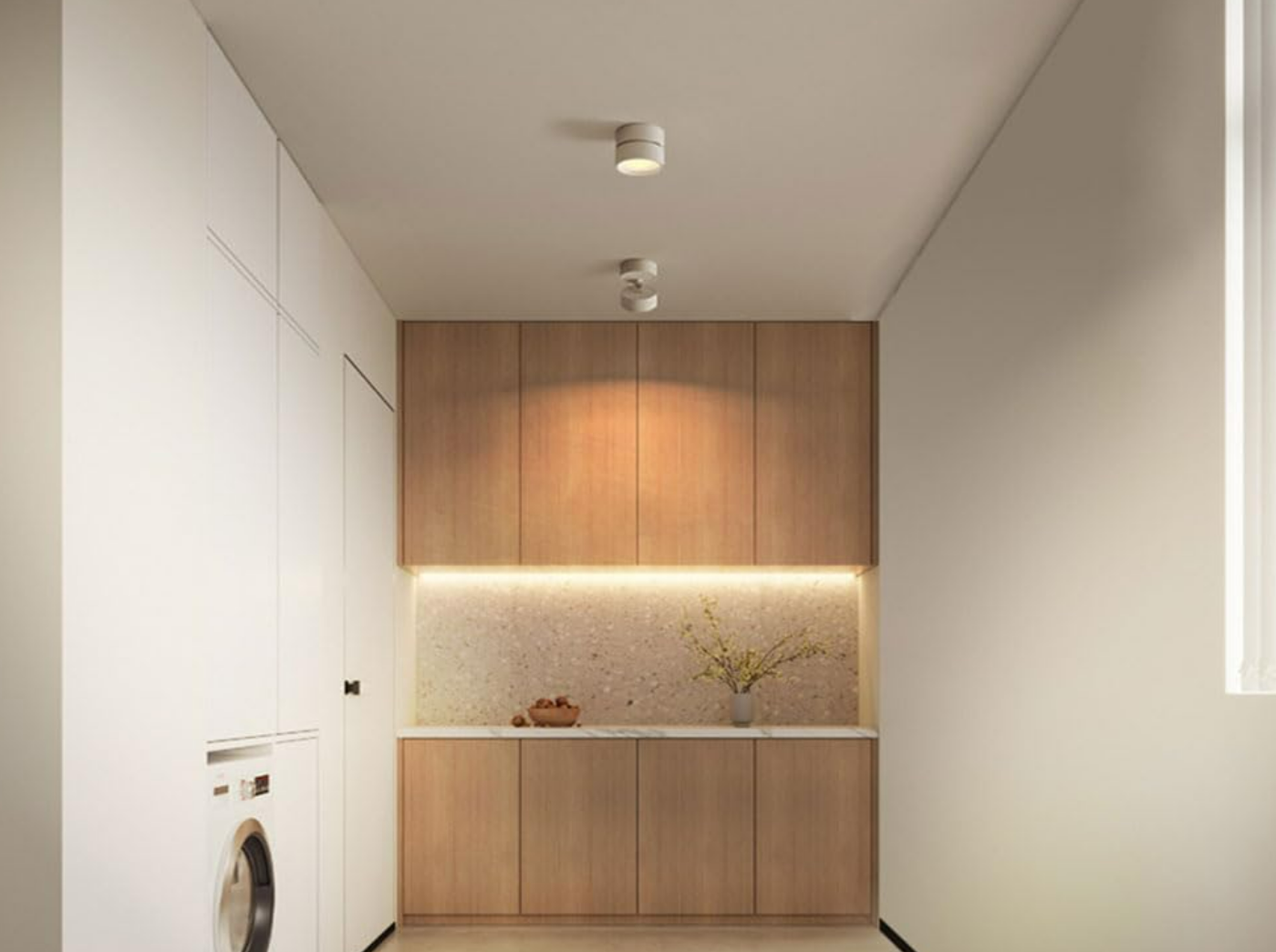
LED downlights consume far less energy than traditional incandescent and halogen fixtures while delivering comparable or better light output. They run cooler, have much longer lifespans, and reduce maintenance and replacement costs. For homeowners and designers, LED downlights also offer a low-profile look that integrates seamlessly into ceilings, creating clean sightlines and an uncluttered interior.
Bathroom LED downlight considerations
Bathrooms require special attention because of moisture, safety, and task lighting needs. Choose downlights rated for damp or wet locations for areas near showers and tubs. IP-rated fixtures (for example, IP65) protect against water jets or splashes. For task areas like vanities, place downlights to minimize shadows on the face—either by combining with wall-mounted fixtures or angling adjacent ceiling lights slightly toward the mirror.
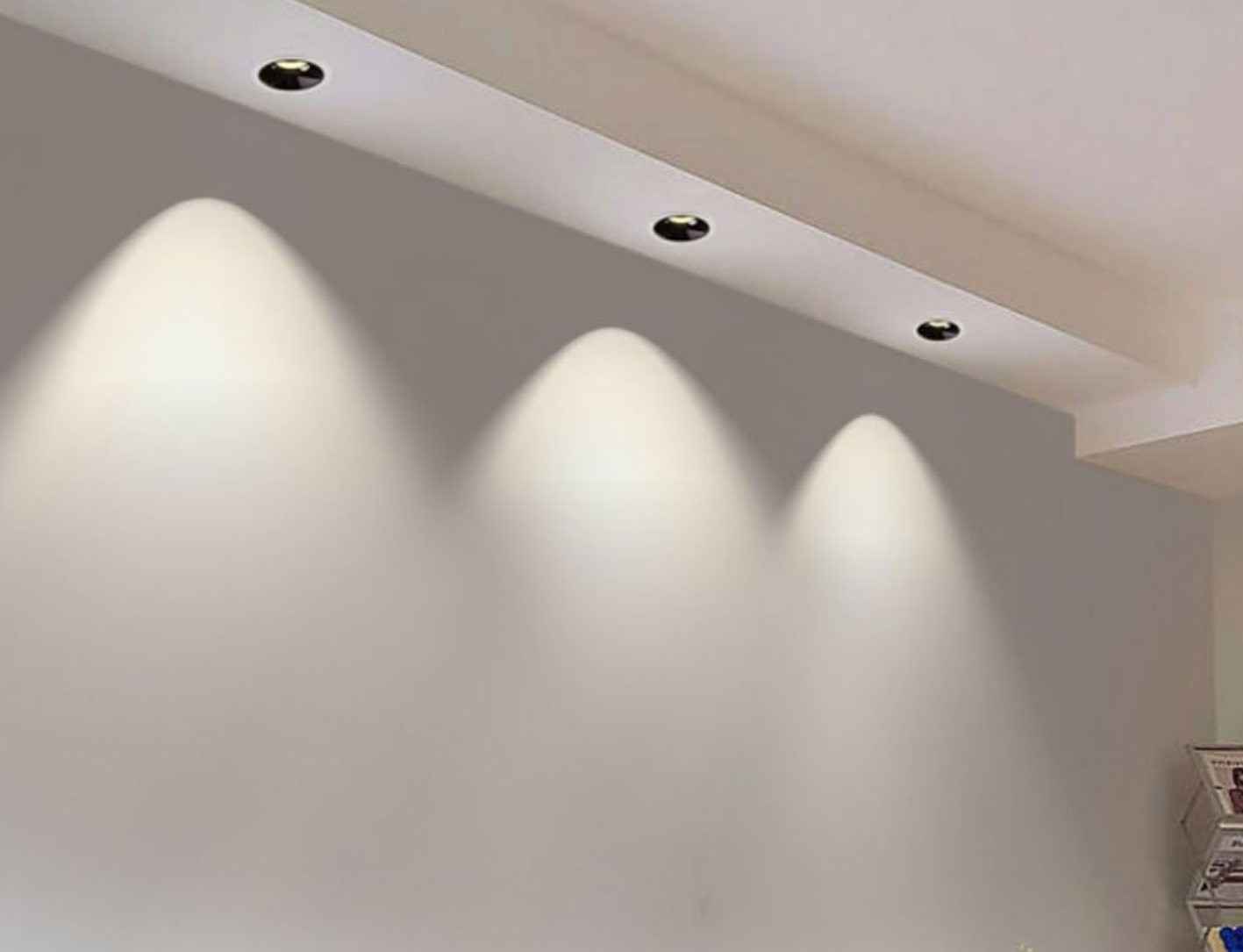
Color temperature: cool white, daylight, and warm options
Color temperature influences both function and mood. “Cool white” (about 4000K–5000K) is crisp and works well for task-oriented rooms and modern interiors. “Daylight” (5000K–6500K) is even bluer and can be useful where very bright, high-contrast illumination is required, such as in utility rooms or inspection areas. For living spaces and cozy bathrooms, consider warm white (2700K–3000K) to create a softer atmosphere. Many LED downlights now come in tunable or selectable color temperatures so you can pick the best tone for each space.
Dimmable and emergency lighting
Dimmable LED downlights provide more control over ambience and can save additional energy by reducing output when full brightness isn’t needed. Verify compatibility between the LED fixture and the dimmer switch—look for drivers that support leading- or trailing-edge dimmers or modern TRIAC/ELV systems. For safety, some downlight fixtures include integrated emergency lighting or have a battery-backup option. These emergency LED downlights automatically illuminate during power failures and are particularly valuable in corridors, stairwells, and exit routes.
Design variations: deep recessed, double, and trim styles
Downlights come in a range of designs to suit different ceiling depths and aesthetic preferences. Deep recessed LED downlights reduce glare by hiding the light source deeper within the ceiling—ideal for spaces where visual comfort matters. Double LED downlights feature two concentric rings or dual light sources for layered lighting effects or increased output without generating hotspots. Flush and recessed trims allow you to match finishes and create subtle, architectural looks.
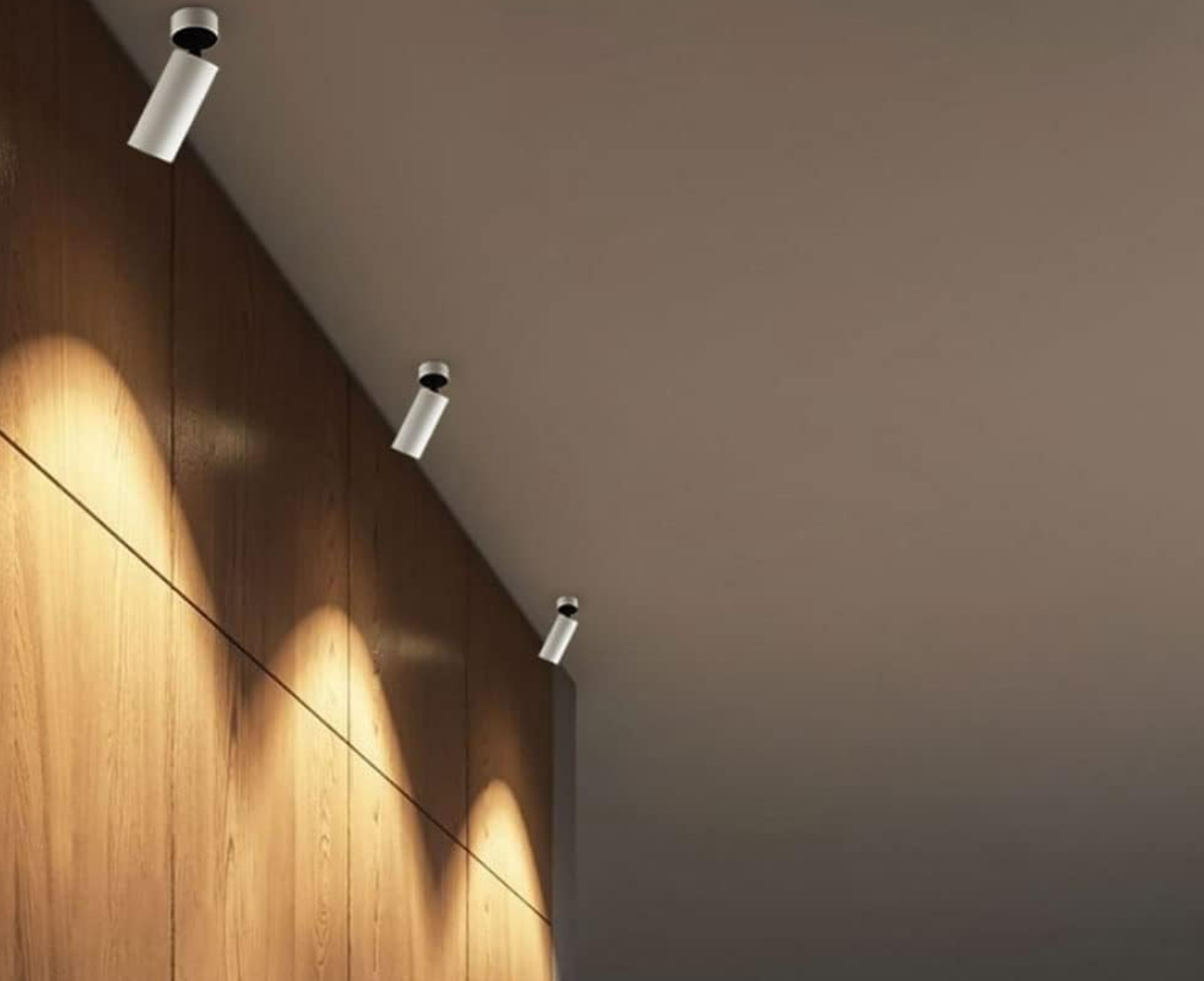
Cost and long-term value
Initial LED downlight cost varies with brand, driver quality, features (dimmability, tunable color), and certifications. While high-quality LED downlights cost more upfront than basic models, they typically pay back through energy savings and reduced replacement frequency. When comparing costs, factor in lumen output (not just wattage), warranty length, and driver reliability.
Selecting the best LED downlight ceiling fixtures means balancing technical features, aesthetics, and budget. For bathrooms, prioritize IP ratings and appropriate color temperature. If comfort and flexibility matter, choose dimmable or tunable models and consider low-glare deep recessed options. Finally, include emergency-capable downlights where safety is essential. With the right choices, LED downlights will enhance both the look and performance of your home lighting for years to come.